
Indemnification Bylaw Carveouts For Unauthorized Post Separation Commitments
Bylaw carveouts deny indemnification and fee advancement for commitments executed by former officers post-separation without explicit written board authorization.

Seat
Corporate executive capacity terminates at the exact moment of resignation or removal. When an officer leaves an enterprise, official corporate power ceases, yet external interactions frequently continue across an informal transition window. During this post-separation period, former officers sometimes execute contracts, sign settlement addenda, modify supplier terms, or grant intellectual property licenses under the lingering impression of corporate authority.
Authority ends at resignation. Third parties, relying on previous dealings, often assume the individual retains power to bind the business enterprise.
The core legal challenge arises when third-party litigation follows these post-separation commitments. Bylaws routinely guarantee indemnification for legal fees and damages incurred by officers and directors by reason of their corporate service. When a former executive faces claims stemming from an unapproved post-separation agreement, that individual typically submits a demand for corporate fee advancement and indemnification.
The individual holds one account: the commitment related to legacy operations, protected their prior corporate role, and preserved enterprise value. The board holds another account: the executive acted outside corporate authority after formal capacity lapsed, creating an unauthorized corporate burden.
A standard corporate bylaw guaranteeing indemnification for acts taken by reason of corporate capacity applies only while valid governance authority remains active.
Disputes over post-separation commitments center on whether the individual acted by reason of their former corporate capacity or as a private party lacking authority. Statutory governance frameworks allow corporations to indemnify corporate agents, but corporate indemnification rights are bounded by charter provisions, bylaw text, and explicit board authorizations. Where bylaw wording remains broad and generic, former executives argue that any post-separation action touching legacy duties falls within mandatory indemnification protection.
Corporate records outlast intent.
This dynamic creates immediate asymmetry during exit negotiations. The departure room often contains verbal assurances about wrapping up loose operational strings, yet these statements rarely match corporate authority records. Silence creates apparent authority.
When an unapproved deal sours, third-party plaintiffs sue both the former executive and the enterprise. The enterprise then finds itself paying legal counsel to defend a former officer whose post-separation actions the board never sanctioned. An express carveout stipulating immediate termination of indemnification upon officer resignation shifts legal defense costs back to the individual for any agreement executed after the resignation timestamp.

Clause
Designing effective indemnification provisions requires explicit exclusions that isolate post-separation acts from standard governance protections. Standard indemnification clauses automatically cover liabilities arising from actions taken while holding office. A targeted carveout alters this default coverage by explicitly denying corporate fee advancement and indemnification for any commitment, contract, representation, or release executed after the effective separation timestamp, unless specifically pre-authorized in writing by a formal board resolution.
The architectural distinction between standard protection and an explicit post-separation carveout determines which party bears defense burdens during third-party reliance disputes. Without express carveouts, courts frequently interpret ambiguous bylaw language in favor of the former officer under customary indemnification rules. The board inspects the text.
- Post-Separation Timestamp Cutoff terminates mandatory fee advancement immediately upon the recorded effective time of resignation or termination of officer status.
- Board Pre-Authorization Requirement conditions indemnification for any post-exit activity on prior written consent passed through formal corporate resolution.
- Apparent Authority Exclusion denies coverage for third-party reliance claims stemming from post-exit representations made without express written authority.
- Ultra Vires Fee Recapture permits the enterprise to recover advanced legal expenses if subsequent proceedings establish the former officer acted without authority post-separation.
Without explicit carveout language, corporations face protracted chancery court proceedings over fee advancement rights before underlying third-party claims even reach trial. Legal fees accumulate quickly. Former executives rely on customary corporate practices to assert that legacy cleanup actions inherit full corporate protection.
Written terms fix capacity. Integrating clear carveout clauses into corporate bylaws establishes an unambiguous boundary between indemnified historical governance and non-indemnified individual post-separation behavior.
Express bylaw carveouts that condition post-exit indemnification on prior written board resolutions prevent former officers from funding unauthorized defense litigation out of enterprise reserves.
Failing to restrict indemnification to pre-separation capacity leaves corporate treasury exposed to paying the legal defense of an executive who bound the enterprise to unauthorized liabilities.

Delta
The gap between remembered authority and written corporate records generates substantial legal risk during post-exit litigation. A departing founder or senior executive often views post-separation actions as necessary continuations of ongoing corporate initiatives. Conversely, incoming management and board members view identical actions as unauthorized interventions that expose the business to severe third-party liabilities.
Memory fails under pressure. The record holds the date.
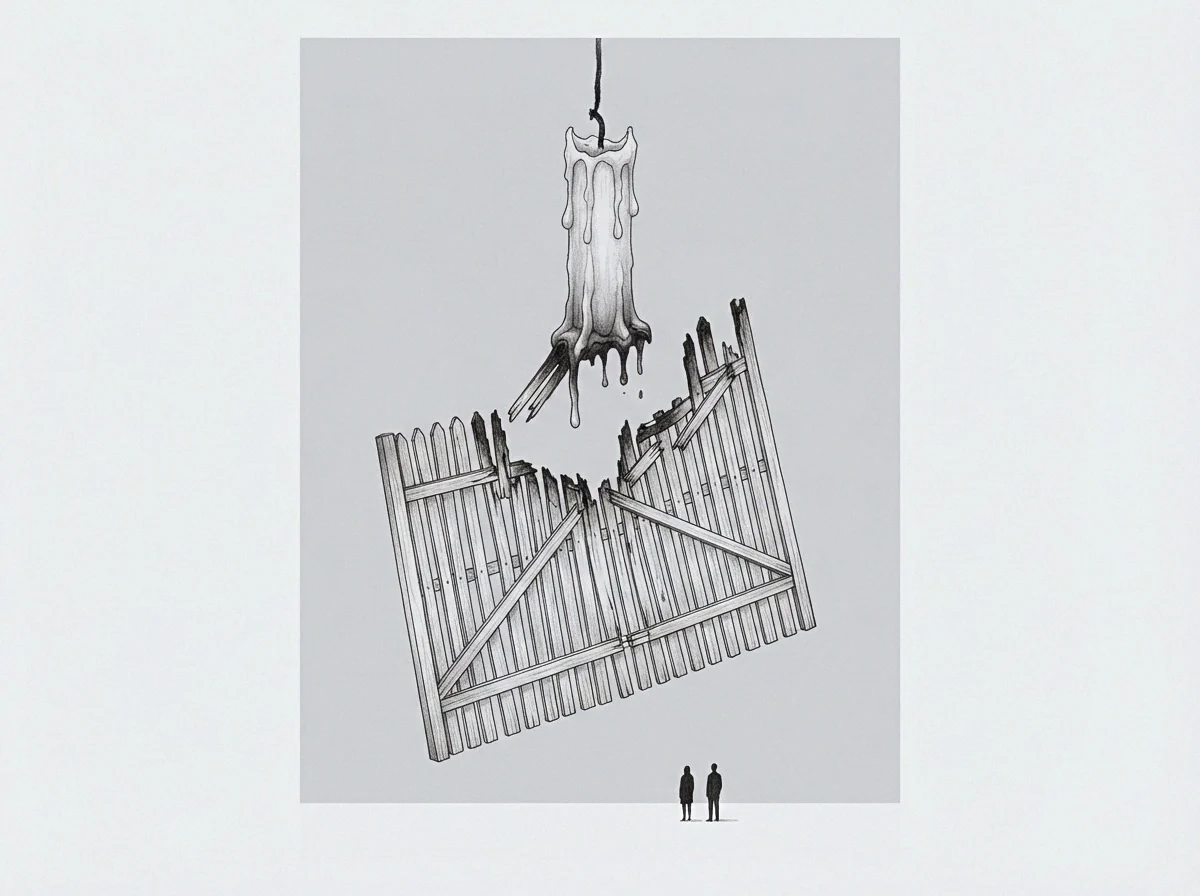
Where Does Post Separation Liability Land?
Evaluating liability allocation across different bylaw structures requires comparing how specific contractual elements behave under dispute. The table below illustrates structural differences between standard corporate bylaws, broad transitional coverage provisions, and restrictive post-separation carveouts.
| Indemnification Structure | Coverage Trigger | Advancement Obligation | Third-Party Reliance Defense | Burden of Proof |
|---|---|---|---|---|
| Standard Bylaw Provision | Acts by reason of officer capacity | Mandatory upon undertaking | Paid by enterprise pending final judgment | Enterprise proves bad faith |
| Transitional Agreement | Defined post-exit advisory tasks | Conditional on task scope | Shared defense costs under allocation formula | Joint evaluation of authority |
| Strict Authorization Carveout | Board-approved written resolution | Denied for post-separation acts | Individual defends personal representations | Former officer proves explicit consent |
Third parties claim reliance. When a former officer signs a post-separation amendment with a supplier, the supplier operates under historical expectations of capacity. If the transaction fails, litigation ensnares both parties.
Proof sits in documentation. Two accounts yield litigation.
Under a standard bylaw, the executive demands advancement for legal representation, asserting the act served enterprise interests. Under a restrictive carveout, the enterprise rejects advancement because the act occurred after officer capacity terminated. Capacity limits corporate liability.
The resulting delta between executive expectation and bylaw restriction forces early resolution of authority questions before legal costs multiply.
The board never gave authorization for that agreement and the corporate treasury will not pay to defend it.

Cost
Unclear post-separation indemnification boundaries inflict direct legal, operational, and financial expenses on the corporate enterprise. Legal costs explode when a corporation must simultaneously defend against third-party contractual claims and litigate fee advancement disputes against its former executive. A separation deed governs.
State corporate statutes, including Delaware General Corporation Law Section 145, grant broad latitude to structure indemnification rights, but statutory advancement mechanisms operate aggressively in favor of officers unless explicitly restricted by bylaw text. The carveout cuts advancement. When bylaws lack precise post-separation carveouts, the enterprise pays double: funding its own corporate counsel while advancing legal fees for the former officer under statutory obligations.
- Formal written notice of third-party claim arrives at corporate headquarters naming both the enterprise and former officer.
- Former officer submits formal demand for legal fee advancement based on historical officer status and general bylaw indemnification.
- Board evaluates corporate records, identifying that the contested agreement was executed three weeks after officer resignation.
- Enterprise denies advancement citing lack of post-separation authority, prompting the former executive to file a summary advancement action in chancery court.
- Enterprise incurs parallel litigation costs defending the chancery suit while contesting the underlying third-party contract claim.
When bylaw carveouts clearly exclude unauthorized post-exit commitments, the burden of funding initial legal defense falls directly upon the individual who executed the unauthorized agreement.
Operational disruption exacerbates financial loss. Managing parallel litigation consumes board attention, hampers strategic transaction execution, and complicates auditor reviews regarding contingent liabilities. Establishing clear bylaw carveouts eliminates ambiguity surrounding fee advancement obligations, preserving corporate liquidity during post-separation disputes.
Whether courts will extend statutory fee advancement to dispute resolution proceedings regarding post-separation authority remains uncertain across state jurisdictions.

Draft
Protecting corporate governance structures requires precise drafting alignment across three distinct instruments: corporate bylaws, officer separation agreements, and public authority registries. Aligning these documents ensures that authority boundaries remain firm across internal operations and external dealings.
Governance professionals insert explicit carveout text directly into indemnification provisions within corporate bylaws. The language explicitly limits indemnification to acts performed strictly within the official tenure of office, requiring formal board resolutions for any post-termination authority extensions. Corporate counsel simultaneously file corporate registry revocations and public filings to extinguish lingering apparent authority.
Aligning bylaw exclusions with explicit separation agreement terms creates a complete evidentiary barrier against unauthorized post-exit corporate commitments.
Separation agreements must echo these bylaw carveouts. Incorporating explicit acknowledgments of authority termination into severance contracts prevents departing officers from asserting implied authority claims later. The board confirms execution dates, revokes system credentials, and secures all physical corporate instruments on the separation date.
A separation agreement signed on the day of departure clears lingering claims faster than a contested bylaw amendment litigated two years later.