

Timestamped Agreement Logging Overcoming Stress Physiology Skew In Commercial Disputes
Contemporaneous cryptographic logging anchors commercial agreements before acute stress physiology warps episodic recall into divergent accounts.

The body points, the record proves. A record is written where it cannot be adjusted afterwards, dated, and kept by someone who was there. The memory of an arrangement is not the record of it.

Contemporaneous cryptographic logging anchors commercial agreements before acute stress physiology warps episodic recall into divergent accounts.

Contemporaneous records neutralize cognitive drift by fixing verbal terms into dated, unadjustable artifacts before subjective memory alters past consensus.

Pre-verbal risk protocols convert physical and temporal negotiation cues into dated observational records that prevent selective memory from masking deal decay.
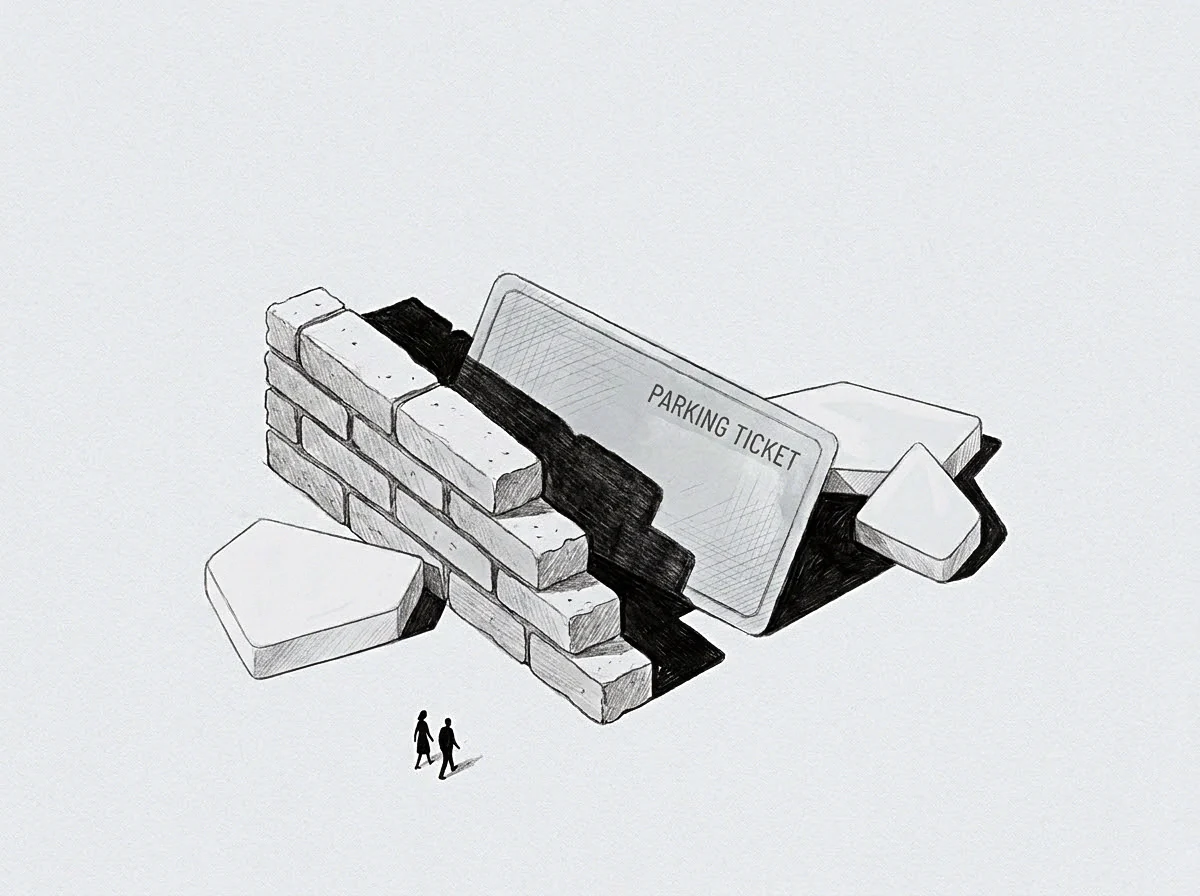
Subjective founder hesitation converts into durable operational service agreements by translating somatic discomfort into verifiable, time-stamped metric thresholds.
Two accounts of the same arrangement, held by two people, never compared. Each is complete on its own side, and the delta between them is where the cost was paid. Comparison happens at the exit, if it happens at all.


Corporate records audit converts unwritten operational history into verified legal instruments, eliminating equity gaps and unrecorded liabilities before settlement.

Unilateral repository equity edits prior to incorporation create divergent ownership records that require written reconciliation before formal filing.

A cryptographic timestamp anchors the SHA-256 digest of an unsigned Markdown equity agreement to a public ledger, proving document existence and content at a specific date.

Repository audit reconstructs technical output through cryptographic commit timestamps and churn metrics, exposing the gap between code churn and founder equity.
The fifty percent, the we, the projected future: claims with no ground under them. An unfounded claim costs nothing to make and is paid for by the person who acted on it. Some acts do not reverse, and a record is the only thing that says which.


Quantum meruit awards uncompensated startup workers fair market monetary restitution when unenforceable equity promises leave conferred enterprise benefit unrequited.

Boards defeat unwritten stock commitments by asserting statutory issuing authority, lack of written consent, and integration clauses in executive contracts.

Unwritten equity claims depend on contemporaneous performance records, written references to ownership, and documented shareholder actions that corroborate the agreed split.

Unregistered equity commitments surface during institutional audits as unrecorded corporate liabilities, shifting dilution and indemnity losses to common owners.
The terms are written where they belong. Each field holds three desks, and every entry a desk writes raises the terms it uses, each term given a meaning, a mechanism and the places it appears. The record on these pages stays first person and hand made; the fields grow the nomenclature.