Meaning
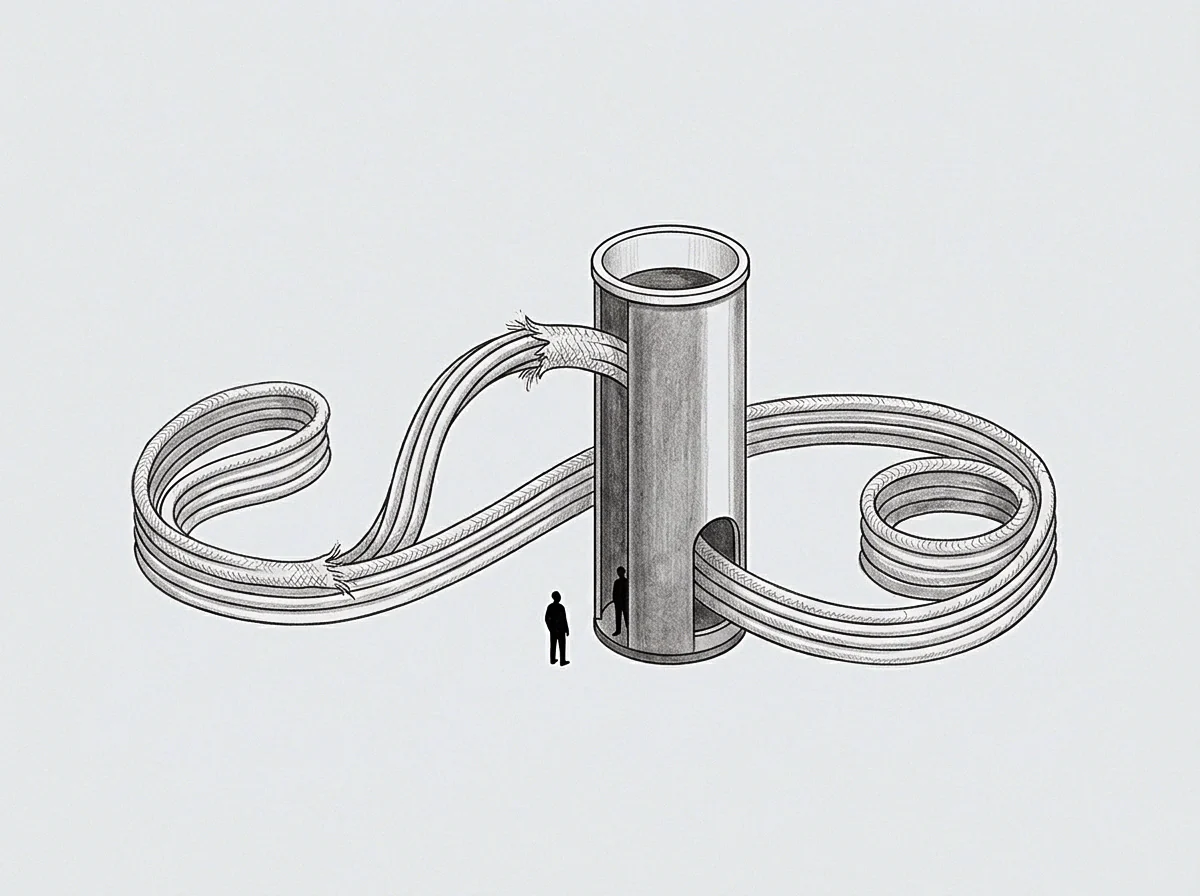
Cognitive drift is a psychological divergence occurring when a founder retains outdated mental models of company operations long after headcount and revenue scale beyond early tolerances. Operational complexity increases during hypergrowth phases, yet internal decision rules frequently remain anchored to the founder’s initial assumptions.
Strategic Divergence
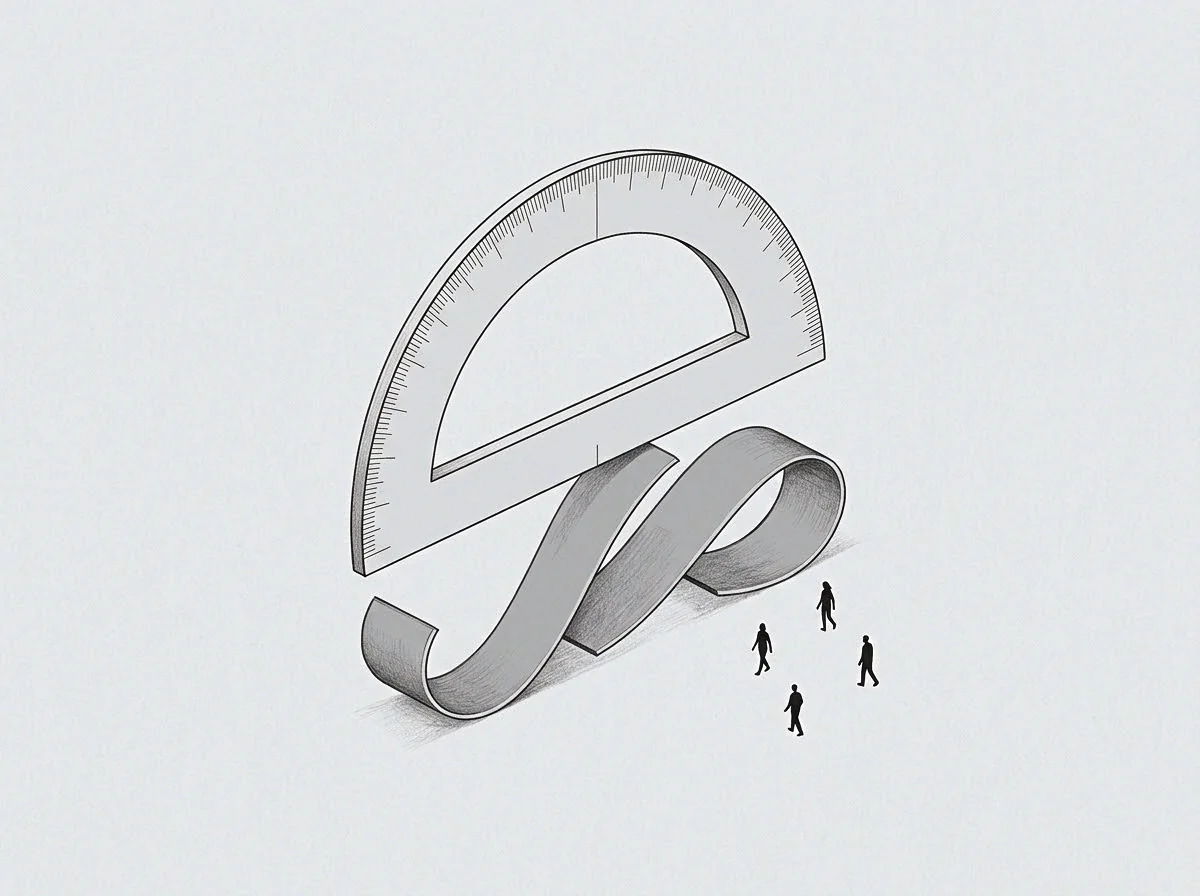
The persistence of obsolete mental frameworks introduces friction between executive intent and departmental execution. Initial heuristics regarding product architecture or customer acquisition work adequately during early survival stages but fail when organizational mass multiplies internal communication channels. Founders operating under outdated assumptions misinterpret intermediate metrics because early warning signals no longer correspond to physical realities on the ground.
Cognitive Latency
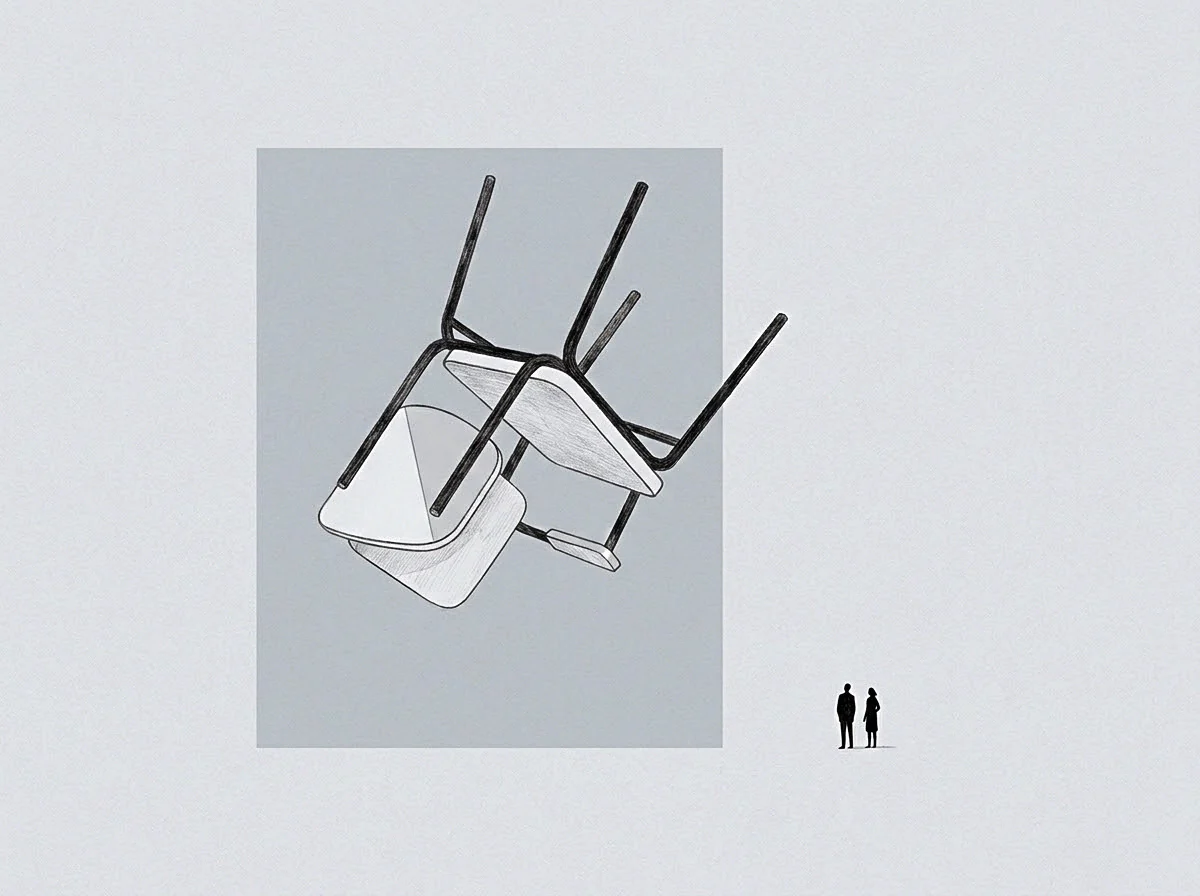
Mental models lag behind actual enterprise scale due to the psychological comfort derived from early operational routines. Initial successes reinforce certain problem-solving patterns, making founders reluctant to discard familiar methods when market feedback indicates structural failure. This latency consumes valuable cognitive hours as leaders repeatedly apply obsolete frameworks to novel structural problems, resulting in chronic exhaustion and impaired strategic clarity.
Structural Friction
Divergent mental frameworks generate friction throughout the organizational hierarchy as middle managers receive contradictory signals from leadership and direct operational constraints. Subordinates compensate for executive misalignments by building informal workarounds, which obscure real performance data from the top. Enterprise efficiency erodes gradually until an external shock forces a painful reassessment of foundational assumptions.