Meaning
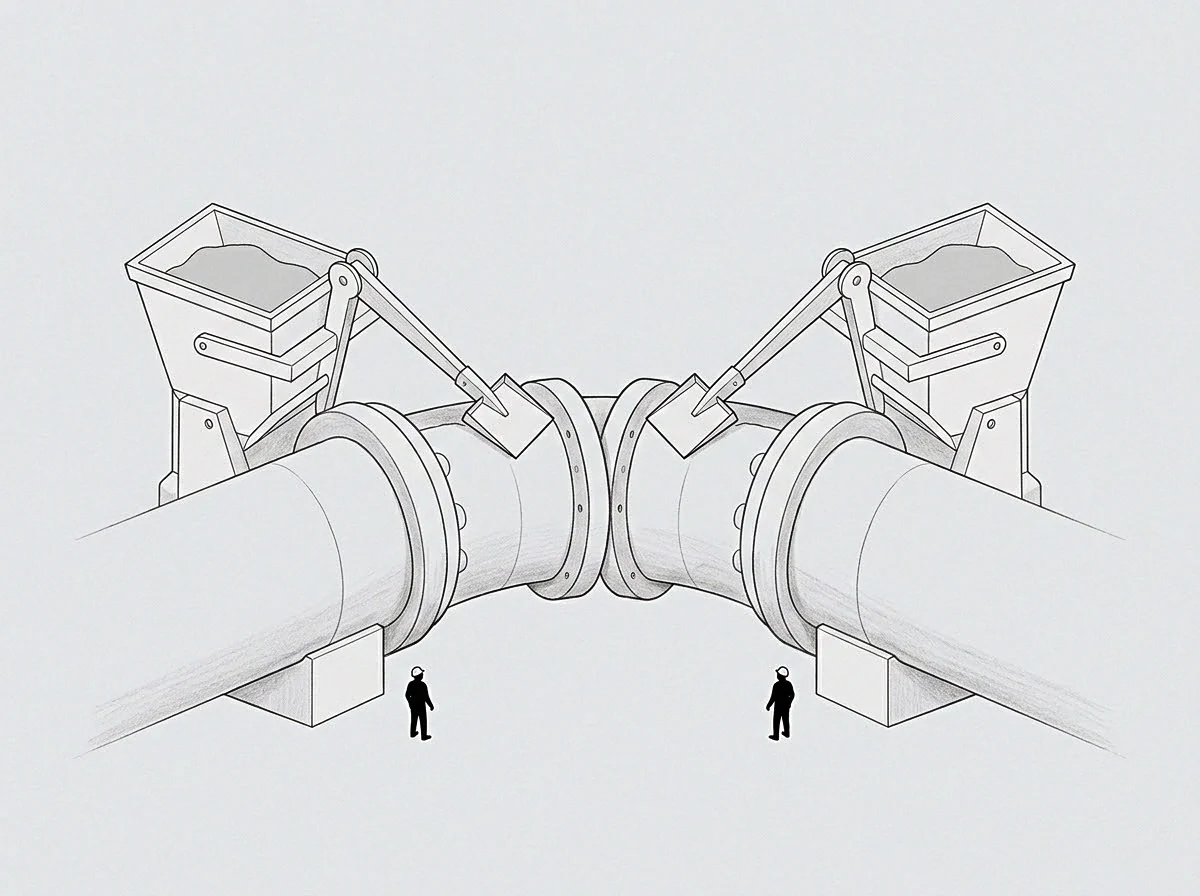
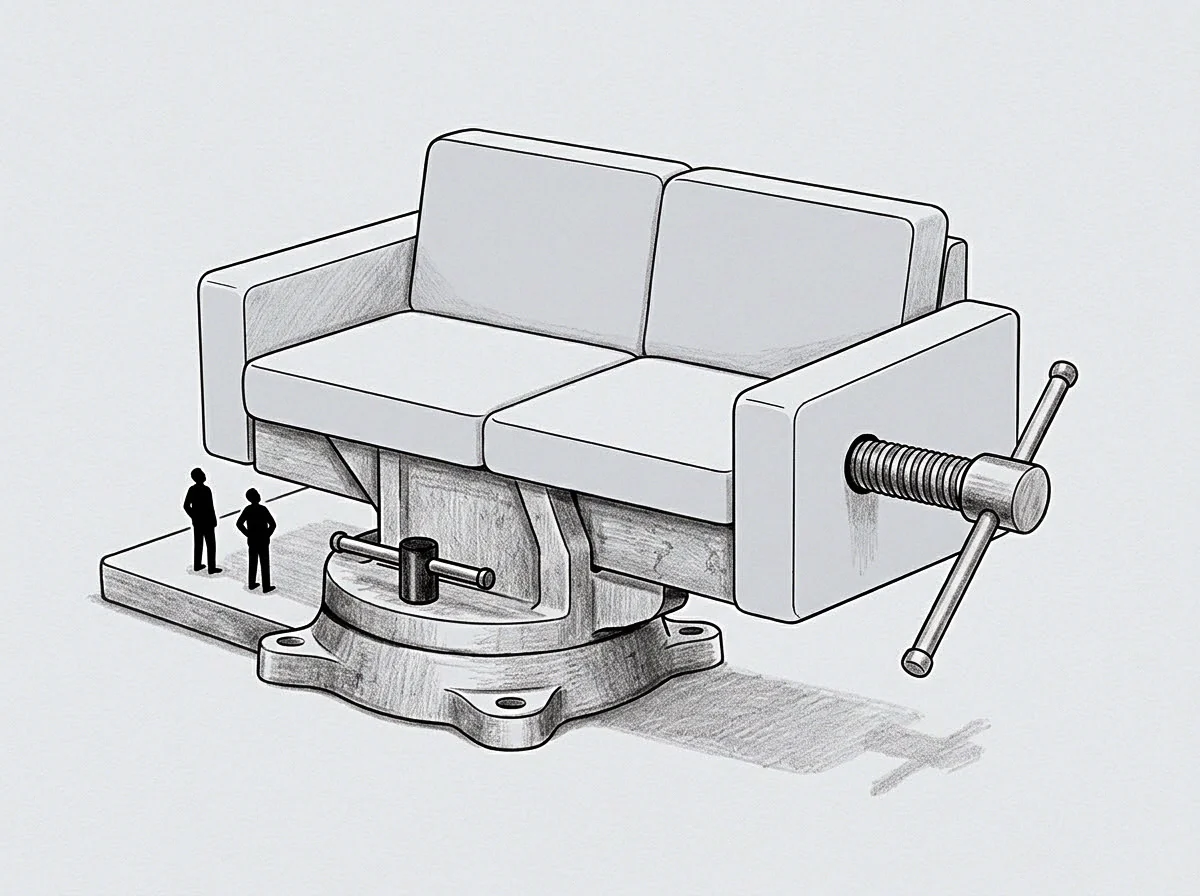
Discrepancies between the memories of different participants regarding a shared event mark the gap where records become necessary. This divergent recollection often leads to conflict when two founders remember the terms of an agreement or the details of a meeting differently. Without a written account, there is no objective way to determine which version of the past is correct.
Cognitive Bias
The way an individual filters and stores information is influenced by their personal perspective and current goals. One person might remember a promise of future funding while another only remembers the conditions that were attached to it. These differences are a natural part of human thought and do not necessarily indicate a lack of honesty.
Conflict Origin
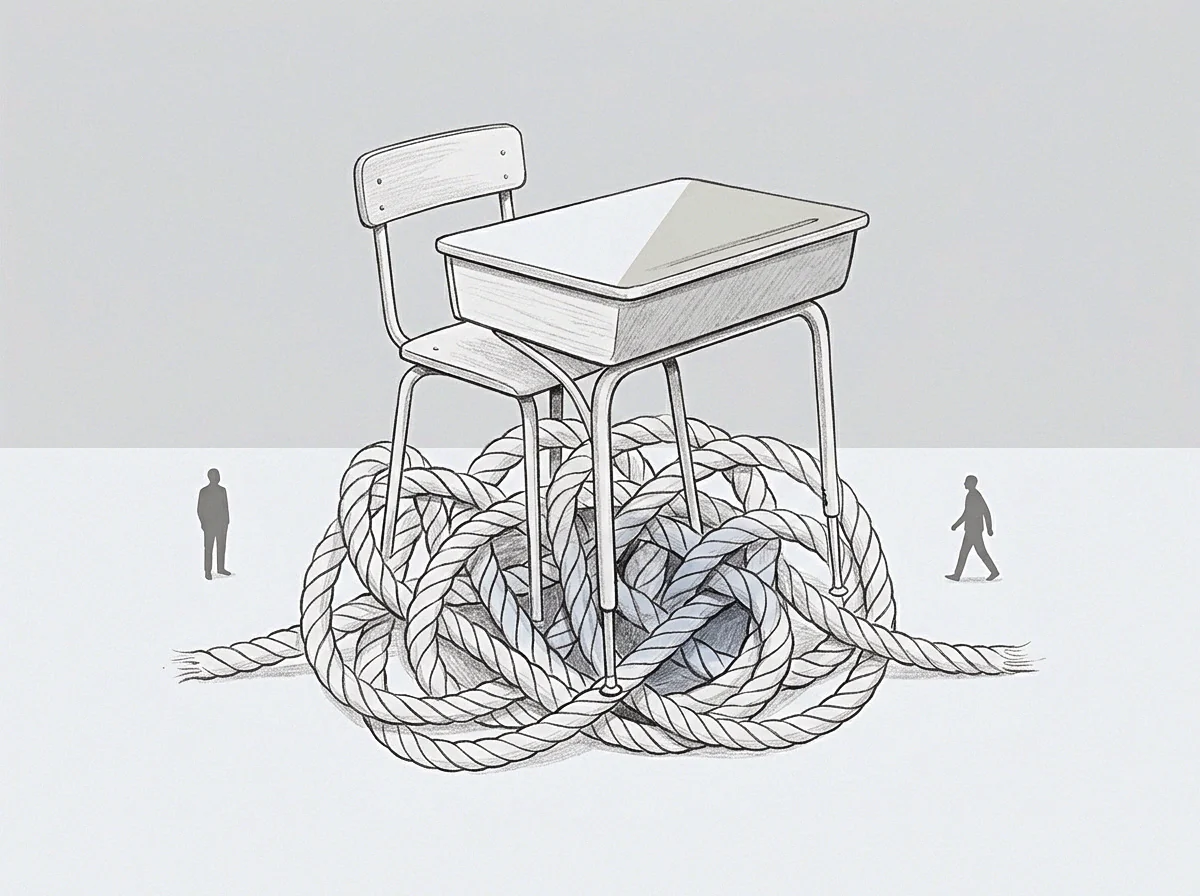
Most professional disputes begin when the participants realize that their internal narratives of the venture no longer match. These disagreements can escalate into legal battles if the firm has not maintained a clear and dated history of its decisions. The cost of such a conflict is measured in lost time and damaged relationships.
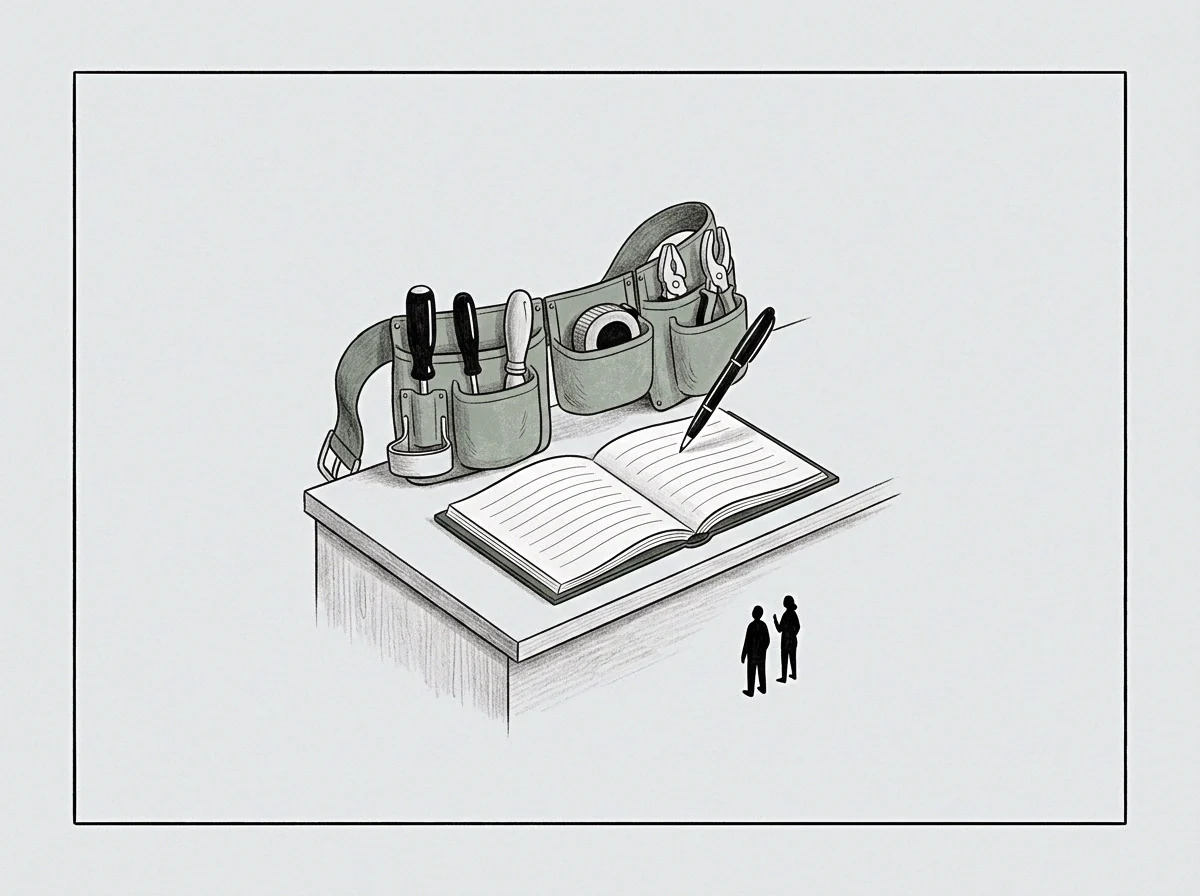
Because memory fades and shifts, the only way to avoid these problems is to record every important choice at the time it is made. These records provide a shared reality that all parties can agree upon.
Resolution Method
Using a contemporaneous record to settle a disagreement avoids the need for a neutral third-party decision.