
Reconciling Divergent Business Memories Through Structured Agreement Audits
Structured agreement audits reconcile divergent commercial memories by cross-examining subjective partner recollections against contemporaneous written records.

Recall

The Twin Accounts of Unwritten Arrangements
Two founders agree to launch a commercial venture together. Each leaves the room with a distinct understanding of what was settled: who handles which duties, and how future equity or returns will split. During early operations, these parallel accounts run smoothly because daily execution takes priority.
The mismatch remains hidden until a capital call, valuation event, or major hire forces an explicit accounting. As founders work, memory reshapes past negotiations to match current contributions, creating two competing records that contradict each other on fundamental terms.
An unwritten arrangement presumes that memory remains static. In practice, labor over months and quarters alters how each party remembers initial conversations. The partner running operations recalls an open-ended path toward equal equity, while the partner supplying initial cash remembers a contractor structure with performance bonuses.
Both hold their version with complete confidence.
A shared recollection divides into two incompatible versions whenever operational strain outpaces written documentation.
Autobiographical recall is constructive rather than archival. When parties reconstruct past negotiations, current exertion and financial personal risk rewrite the terms in hindsight. This divergence rarely stems from bad faith; it is the natural consequence of independent actors consolidating memory under unequal pressures.
The gap widens whenever operational milestones pass without written review. Subsequent decisions pile new assumptions on top of the original ambiguity. When one party eventually calls for an audit, the other often treats the request as a sign of distrust rather than basic housekeeping.
The contributor who built the product assumes the original equity split was settled on day one.
Shelf

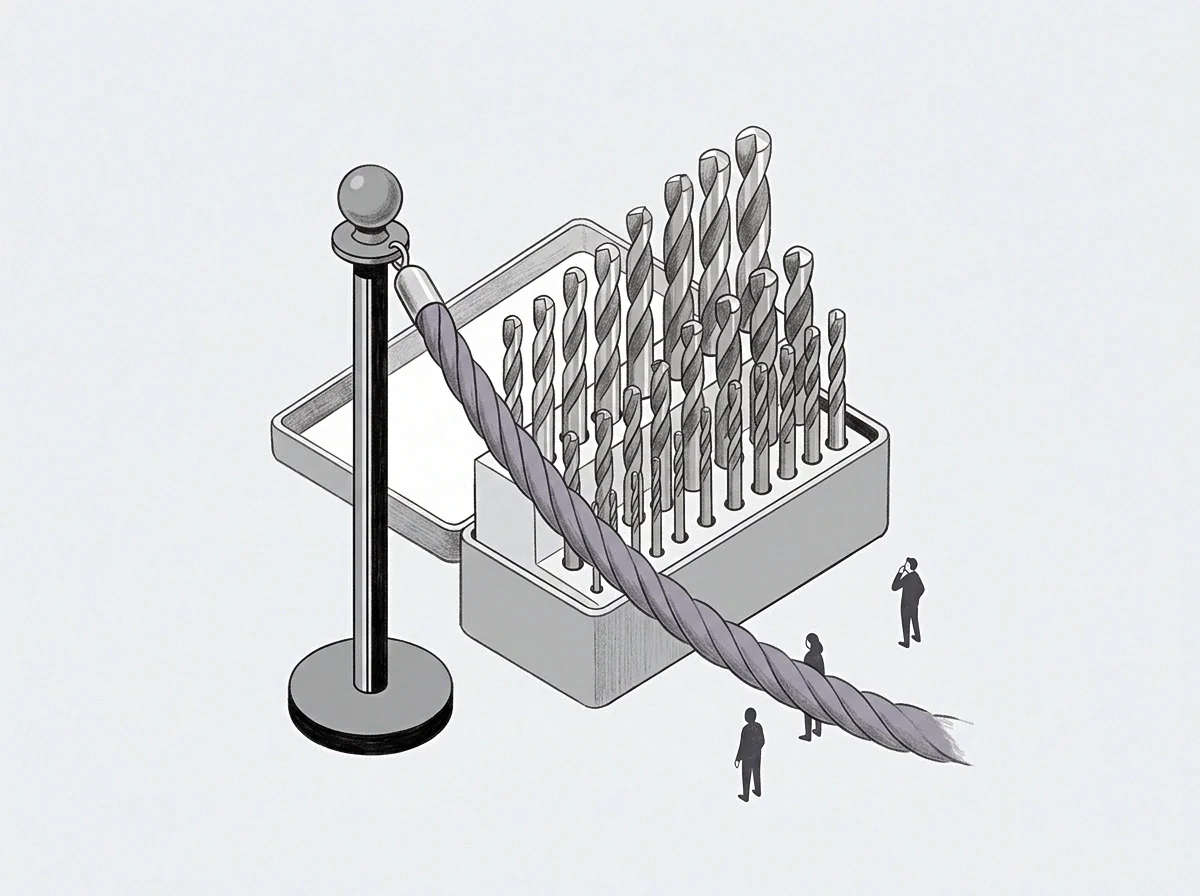
Physical Repositories and Evidentiary Drift
Agreements stored in physical archives or timestamped digital records provide a constant benchmark. Without external records, the terms of an arrangement drift steadily as time passes. Signed agreements, email chains, and initial memoranda function as fixed points against cognitive erosion.
When parties rely strictly on verbal understandings, each person’s recollection naturally expands to claim a larger share of the commercial success. Any objective reconciliation requires collecting all surviving documentation from the formation period.
- Dated correspondence establishes the exact sequence of proposals and counter-proposals exchanged before work commenced.
- Version histories preserve the iterative changes made to working drafts, revealing which party authored specific protective clauses.
- Financial wire confirmations demonstrate the precise timing and volume of capital contributions relative to stated project milestones.
- Task assignment logs record the actual distribution of operational responsibilities during critical growth phases.
When legal files sit untouched for years, partners build separate personal narratives around their contractual standing. Over extended operating cycles, these assumptions harden. Measuring them against contemporaneous files during a formal review inevitably causes operational and interpersonal friction.
A contemporaneous record holds its text while human memory shifts to match operational strain.
Comparing preserved files against personal recollection surfaces sharp discrepancies. A founder may remember being promised full ownership of core intellectual property, while the signed instrument conveys only a non-exclusive license. Discovering such discrepancies late in an operating cycle derails governance and sparks prolonged contract disputes.

Interval

What Happens When Oral Revisions Stand Unchecked?
Informal changes compound between official governance reviews. Over several years, partners alter roles, draw different compensation, and shift reporting lines through quick conversations. These verbal modifications rarely make it into formal amendments, leaving the legal baseline disconnected from daily practice.
The interval between contract reviews determines how far memories will drift. Frequent check-ins allow partners to address gaps before informal assumptions harden into perceived rights. Extended intervals let contradictory expectations build across multiple fiscal cycles, complicating any later reconciliation.
| Reconciliation Dimension | Continuous Scheduled Audits | Deferred Dispute Audits |
|---|---|---|
| Audit Interval | Quarterly or semiannual review cycles | Triggered only upon contract termination or exit |
| Evidentiary Basis | Recent written records and contemporaneous logs | Decayed recollections and fragmented historical files |
| Resolution Mechanism | Iterative amendment of written baseline terms | Adversarial legal negotiation or formal arbitration |
| Operational Capacity Depletion | Minimal routine administrative overhead | Severe redirection of executive attention and capital |
Skipping routine reviews forces companies to reconstruct agreements after the fact. Reviewers must piece together past intent from scattered trails and fragmented notes. That reconstruction regularly uncovers sharp divides between the executed contracts and what individuals came to believe through unrecorded discussions.
Fixed audit schedules force implicit understandings into formal contract terms. When operators re-examine their agreements each year, they catch where operational reality has outrun the original paperwork. Left unmonitored, routine verbal adjustments turn into governance standstills.

Protocol

Structured Methodologies for Memory Audits
A systematic agreement review separates cognitive shifts from documented obligations. The goal is to identify the precise gap between written terms and daily operations rather than assign blame. The audit begins by pulling foundational files, including formation agreements, operating bylaws, and board resolutions.
After cataloging baseline documentation, the review team collects written accounts from each principal. Each partner submits their independent view of current duties, equity rights, and voting powers without consulting the others. Comparing these written narratives against the underlying corporate documents highlights exact areas of divergence.
- Baseline document extraction compiles every executed contract, board minute, and formal amendment into a chronological archive.
- Independent narrative collection captures each principal’s uninfluenced understanding of current commercial terms and operational divisions.
- Delta identification maps the specific variances between written contractual terms and submitted narrative recollections.
- Harmonization review presents the mapped discrepancies to all principals in a structured session to execute corrective amendments.
Structured audits establish reconciliation protocols before subjective divergences escalate into irreconcilable legal disputes.
Harmonization concludes with formal documentation. When a review shows that an executive took on responsibilities beyond their initial contract, the operating agreement is amended to reflect that scope and adjust compensation accordingly. Leaving documented gaps unaddressed guarantees future conflict.
The process ends with an integrated restatement of terms containing an explicit merger clause that supersedes earlier verbal and written understandings.
Exit

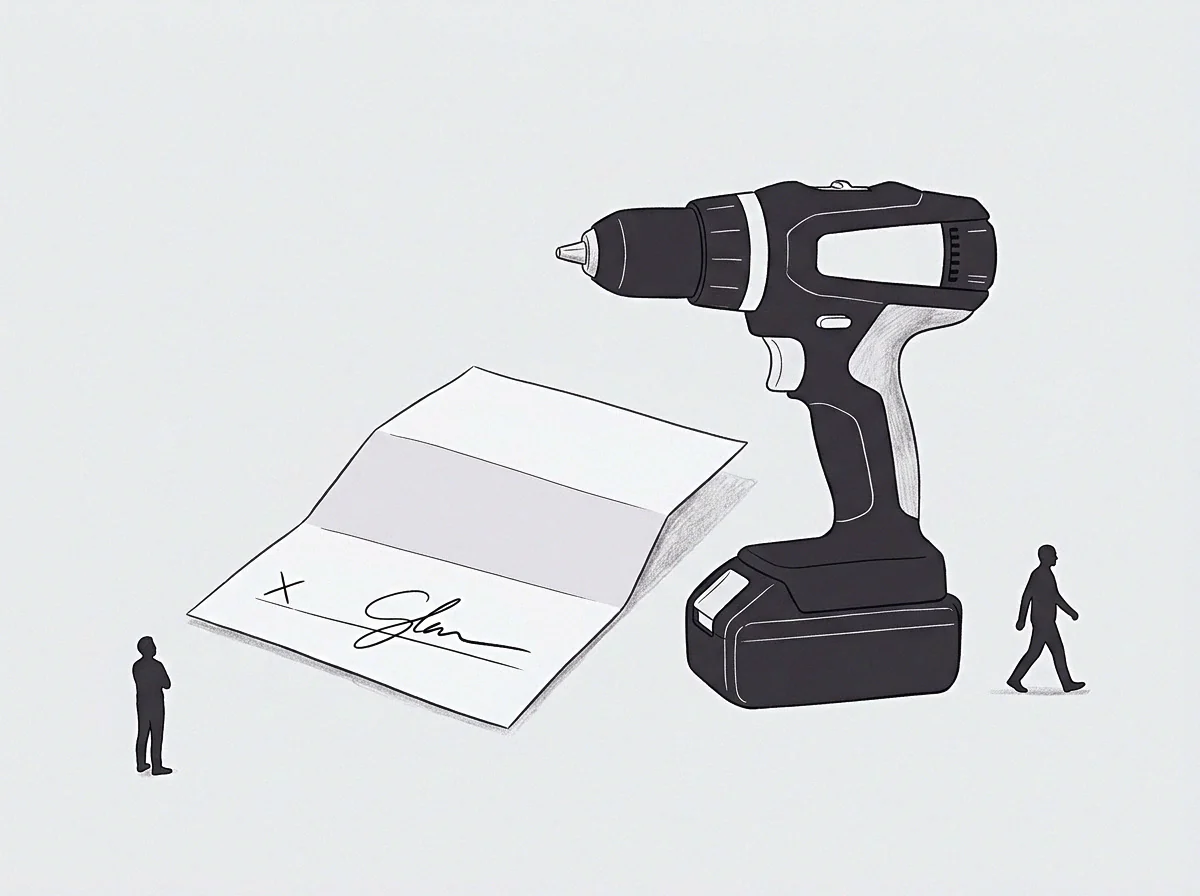
Reconciliation at Commercial Separation
Divergent recollections carry the highest friction during an equity sale or partnership exit. At separation, the settlement is zero-sum: payout calculations, intellectual property ownership, and severance terms turn entirely on the formal agreement. Ambiguities that caused no friction during profitable operating periods become urgent points of dispute.
Departing founders regularly point to verbal promises of equity or valuation floors that never made it into formal vesting documentation. Remaining partners point to unwritten performance benchmarks or forfeiture conditions missing from the operating agreement. Both sides enter negotiations convinced their recollection represents the true deal.
Commercial exits force the immediate liquidation of unresolved contractual ambiguities into financial losses.
Auditing agreements before entering exit negotiations removes subjective recollections from the process. By reviewing documentation during stable operating conditions, partners clear up ungrounded equity expectations ahead of any transaction. Attempting to reconcile divergent memories during exit discussions drains executive capacity and regularly threatens acquisitions.
An open question remains regarding how organizations can systematically distinguish between sincere cognitive divergence and deliberate bad-faith revisionism during late-stage contractual settlements.