

Resolving Disputed Administrative Mandates Through Distributed Systems Event Records
Distributed systems event logs resolve disputed administrative mandates by providing an immutable, causally ordered record of system configuration changes.
Distributed systems event logs resolve disputed administrative mandates by providing an immutable, causally ordered record of system configuration changes.

Early equity allocation disparities between founders must be resolved through binding legal releases and recapitalization before institutional rounds freeze.

Unresolved equity disagreements divert executive capacity from customer acquisition into protective documentation and defensive governance maneuvers.

Divergent recollections of unwritten commitments create shadow verifications, stalling operating decisions until recorded terms replace reconstructed memory.
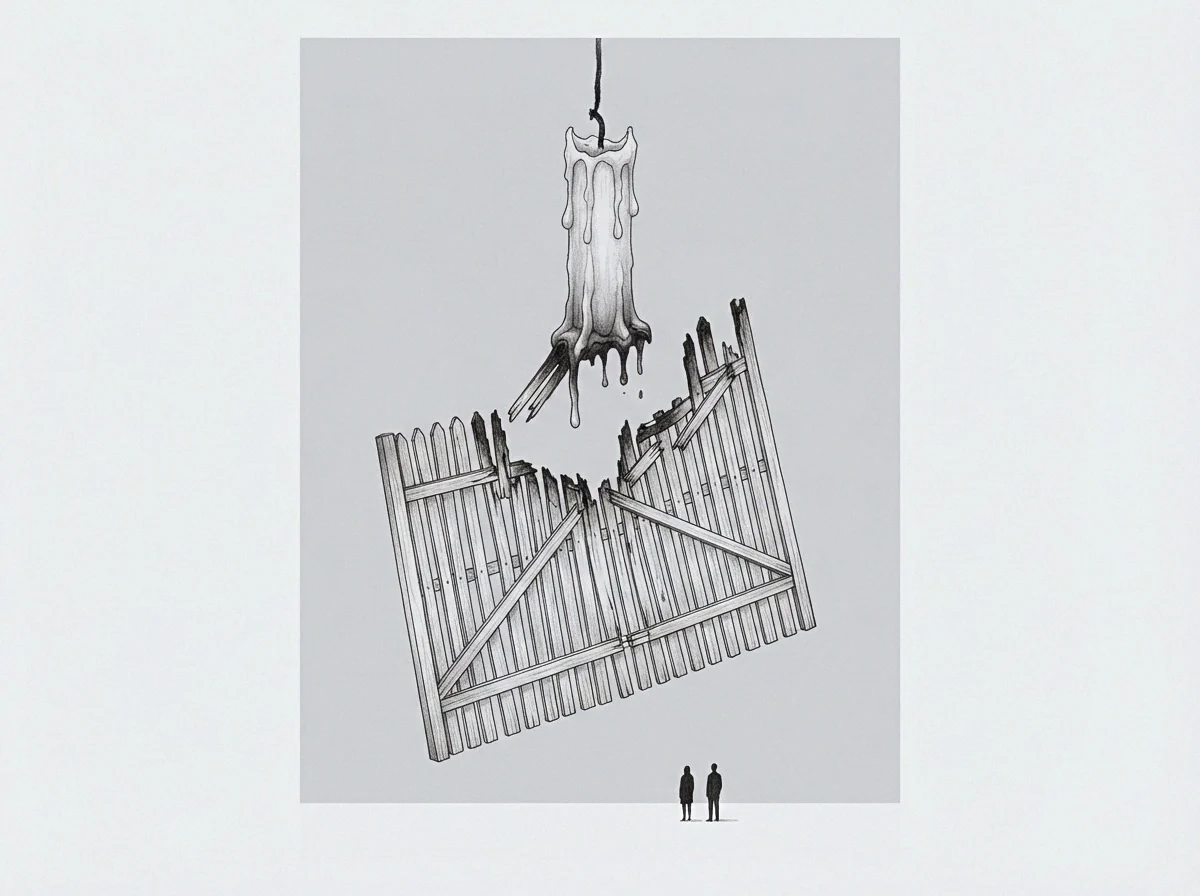
Fragmented digital communications prove operational activity and task completion but lack the definitive legal terms required to enforce contested equity claims.

Unilateral digital records prove individual activity but fail to establish mutual assent, leaving unwritten multi-party ventures vulnerable to competing equity claims.

Informal electronic messages create conflicting ownership baselines that stay unexamined until external capital forces an expensive historical audit.

Corporate equity splits remain bound to executed capitalization records, requiring formal recapitalizations or mutual releases to settle informal labor promises.

Reconstructing divergent equity recollections requires comparing contemporaneous artifacts against operational contributions to settle the gap before transaction closing.

Written commercial agreements bind subjective recollections to explicit operating terms, preventing divergent memory from destroying partner relationships.

Exit deadlocks dissolve when unwritten personal labor metrics convert into pre-agreed synthetic liquidation preferences before definitive transaction documents sign.

Contribution disparity triggers commercial deadlock when an active partner halts operations to prevent an inactive equal shareholder from capturing unearned value.

Divergent valuation claims between partners during acquisitions are quantified by converting unreconciled sweat equity and capital advances into forensic debits.

A structured audit normalizes fragmented digital traces chronologically to replace divergent contract recollections with verifiable contemporary execution records.

Informal modifications fail against written restrictions unless documented reliance or continuous course of performance establishes an enforceable waiver.

When corporate records stay silent, irreconcilable partner recollections resolve only through negotiated releases or restructuring claims under objective documentary proxies.

Unwritten equity commitments lack legal corporate standing until formal board minutes authorize share issuances through ratifying resolutions.

Post-closing escrow funds and comprehensive releases extinguish unrecorded shareholder liabilities by impounding purchase cash and legally waiving prior claims.

Statutory parol evidence rules bar unrecorded oral indemnities when fully integrated written contracts govern the transaction without surviving side terms.

Oral equity promises become personal founder liabilities during acquisitions, forcing costly cash settlements or special indemnity escrows before closing.

Early contributor release refusals are resolved by executing cleanroom code remediation or substituting non-voting synthetic equity for disputed title.

An integration clause applies the parol evidence rule to extinguish antecedent oral statements, making the written contract the sole enforceable agreement.

Spoken equity promises generate unhedged liabilities that surface during exit diligence, forcing sellers to fund cash carveouts or absorb buyer escrow holdbacks.

Unrecorded executive equity claims collapse against statutory board approval requirements during separation unless settled through explicit release terms.

Corporate indemnification deficits arise when apparent authority binds an entity to post-separation officer commitments while bylaws mandate defense funding.

Unrevoked banking resolutions maintain an executive's apparent authority, binding the corporation to unauthorized transactions until formal notice is delivered.

Reconciling unanchored telemetry divergence requires pairing volatile in-guest execution traces with external transport markers across causal logical clocks.

Reconstructing temporal sequence across distributed server logs requires replacing physical timestamps with causal graphs derived from message propagation.

Cryptographic hashing and unbroken administrative custody logs convert informal messaging threads into legally authentic business records.

Automated vendor retention policies delete unarchived communications, forcing exiting partners to arbitrate divergent memories rather than verified terms.
The terms are written where they belong. Each field holds three desks, and every entry a desk writes raises the terms it uses, each term given a meaning, a mechanism and the places it appears. The record on these pages stays first person and hand made; the fields grow the nomenclature.