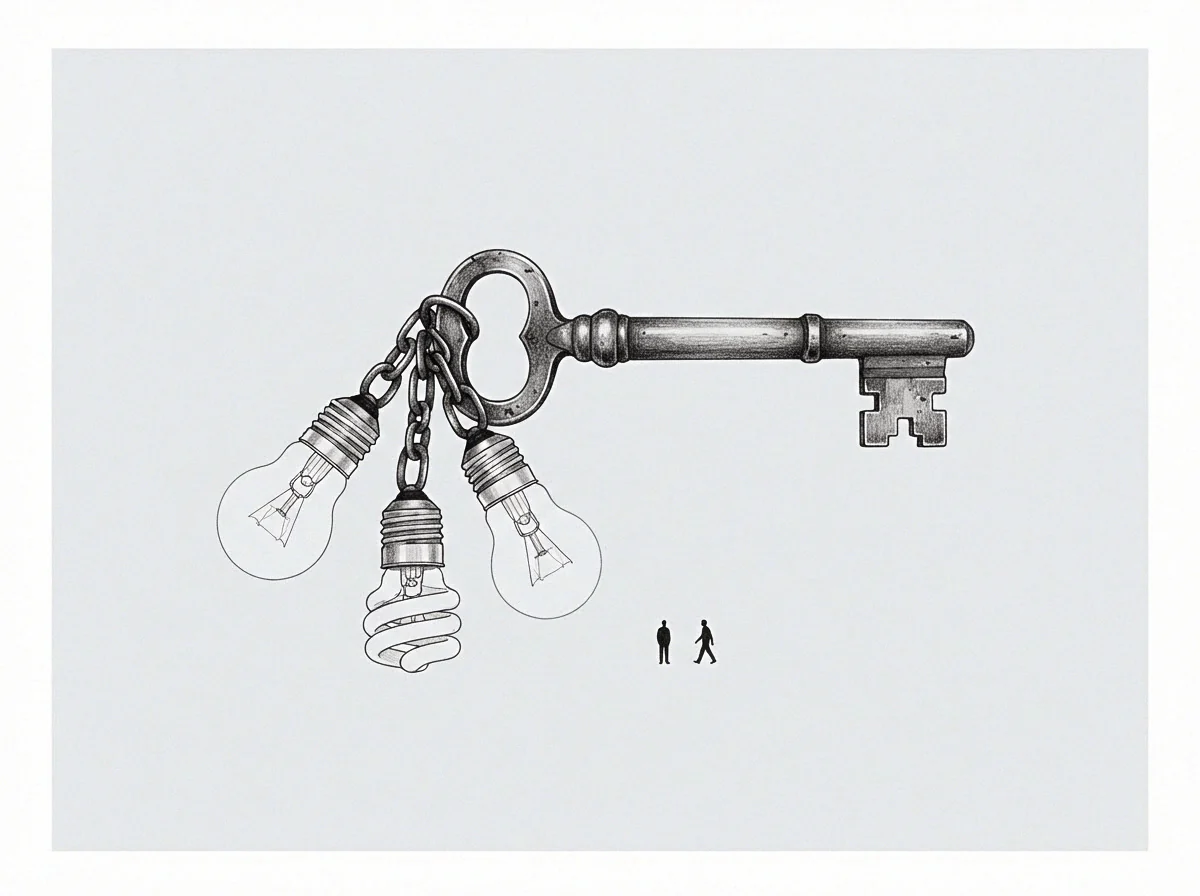
Meaning
Software engineering processes that produce functional replacements for existing code without exposing the new developers to the original source material represent a recognized method for clearing copyright liabilities. When an organization faces intellectual property disputes, executing a cleanroom rewrite ensures that the resulting software contains no copied expression. This technique separates the team that analyzes the original code from the team that writes the new version.
The procedure creates a defensive record that can withstand challenges from competitors.
Functional Specification
An intermediary document containing only functional requirements and interface definitions mediates between the two separated teams. The analysis team creates this specification by observing the behavior of the original system or reading its documentation. They must omit any implementation details or direct lines of code to prevent accidental transfer of copyrightable expression.
Legal Protection
Independent development logs demonstrate that the new code was written without direct knowledge of the original. These logs, showing timestamps and developer identities, provide verifiable proof of non-infringement. In the event of a dispute, an auditor reviews these records to verify independent creation.
Development Effort
Rebuilding software under strict isolation requires additional hours and delays product delivery. This overhead represents the cost of establishing absolute legal compliance. Organizations accept this burden when the alternative is a total cessation of product sales.