
Probative Limits of Fragmented Digital Footprints in Resolving Contested Equity Splits Across Unwritten Arrangements
Fragmented digital communications prove operational activity and task completion but lack the definitive legal terms required to enforce contested equity claims.

Record
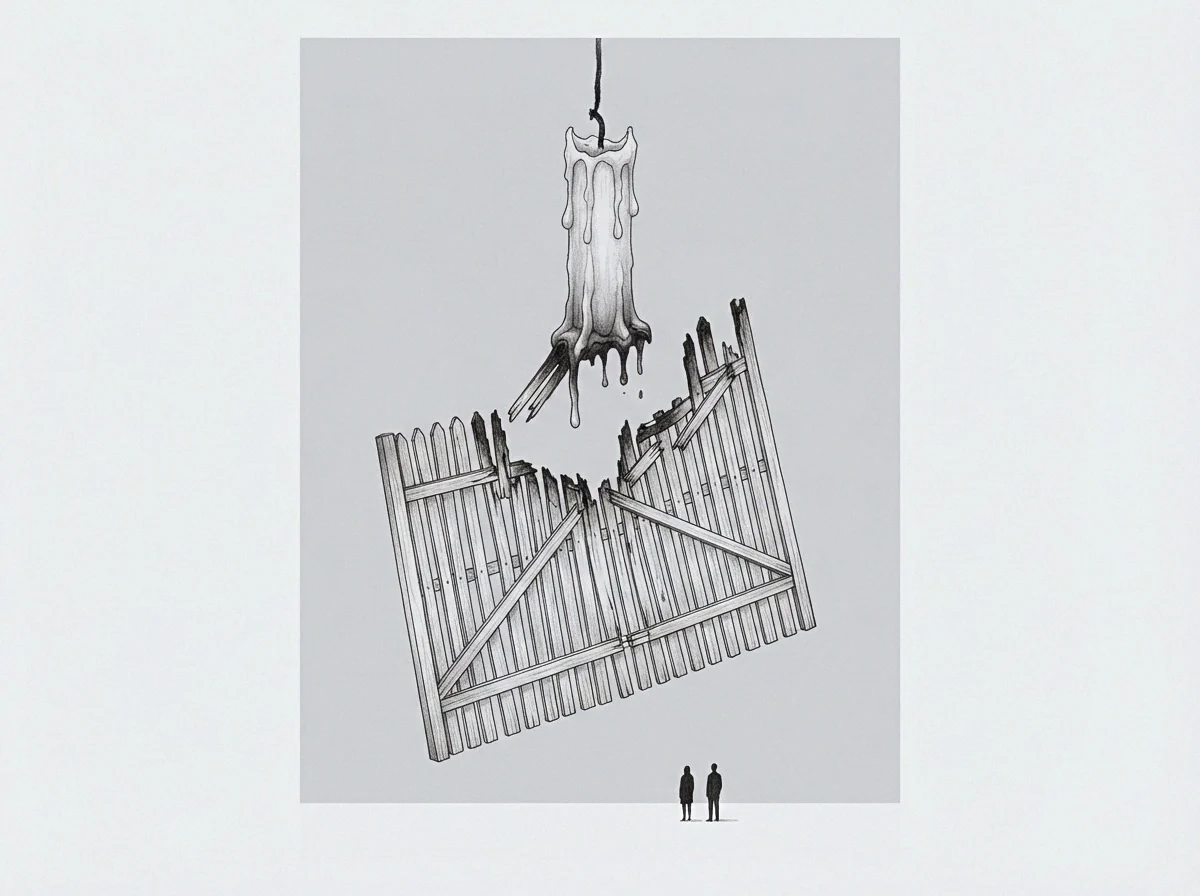
Fragmented Artifacts Across Asynchronous Channels
Two builders spend fourteen months coordinating through chat threads, issue trackers, shared document drafts, and code commits without executing a formal equity agreement. One contributor leaves after an operational dispute. When capital arrives six months later, that contributor produces an export of five thousand chat logs, arguing that the volume and language of coordination establish a thirty percent equity entitlement.
The remaining founder produces a separate archive of emails describing equity as contingent on full-time employment that never occurred. Each side holds an archive reflecting real work and time, yet neither record contains an agreed allocation.
Relying on digital artifacts to determine informal equity splits fails because operational coordination is not legal ownership. Logs capture task execution, timestamps of edited files, updated repositories, and video calls. They record activity, but fail to establish legal consideration, vesting schedules, or forfeiture rules.
The surviving artifacts confirm work happened while leaving its contractual meaning unresolved.
Early-stage venture communication relies on informal shorthand. Team members use terms of shared ownership to sustain momentum when cash compensation is low. A message describing two people as equal partners functions at the time as encouragement or a recognition of shared effort.
Read three years later during a dispute, that same sentence is cited as a binding transfer of equity. The text does not change, but its interpreted weight depends entirely on who presents it.
A digital artifact records the completion of a task while remaining silent on the equity interest earned by doing it.
The distance between what an informal message meant when sent and what it is claimed to mean at capitalization separates two competing accounts. The departing builder views recorded hours as sweat equity invested through below-market pay. The remaining founder views those same records as voluntary help or consulting offset by potential future upside.
Because no written term unified these positions during the project, the record preserves both interpretations without resolving either.
Establishing an equity right from unstructured messages leaves a party facing a structural evidentiary deficit.

Weight

Probative Capacity of Asynchronous Communication Records
Digital footprints create an ongoing problem of evidentiary asymmetry. The weight of an asynchronous communication record depends on five structural variables:
- Cryptographic Immutability establishes that a communication occurred at a given timestamp without alteration, verified through server receipts or commit hashes.
- Definiteness of Terms requires explicit naming of equity percentages, share classes, vesting schedules, and conditions precedent in the text.
- Contextual Completeness requires surrounding conversation turns to prevent extracting aspirational remarks from broader negotiations.
- Bilateral Assent demonstrates that both parties explicitly agreed to identical terms rather than simply acknowledging a proposal.
- Integration with Execution ties the discussed percentage directly to identifiable capital or documented uncompensated labor performed under those terms.
Casual messaging platforms promote shorthand. Sentence fragments, emojis, and silence replace formal acceptance. When someone names an equity percentage in a channel and receives a thumbs-up icon, the record becomes ambiguous.
The icon may show goodwill or general agreement, but it does not establish the mutual assent needed to allocate capital. An affirmation was recorded, but what was affirmed remains open to challenge.
Commits, design file revisions, and shared document edits show work being done. They record when code was written or a deck was edited, measuring effort rather than ownership. A contractor working for deferred pay leaves the same digital footprint as an equity-holding cofounder.
The record captures operational activity while remaining neutral on the actor’s legal status.
Without a written founder agreement, claims are evaluated under principles of implied-in-fact contract, promissory estoppel, or quantum meruit. Under quantum meruit, fragmented logs help establish the value of services rendered. For an equity claim, those same records must prove an explicit agreement to grant a specific share of the company.
Legal proceedings routinely accept messaging logs to calculate back pay for uncompensated work, while rejecting those same logs as proof of an equity split when governance terms are absent.
An equity grant requires terms defining departure rules, voting rights, dilution, and intellectual property transfers. Chat logs rarely address intellectual property or leaver provisions. A thread that mentions an ownership percentage without detailing vesting or departure remains incomplete, preventing the digital record from serving as legal title.
The surviving documentation confirms that conversations took place while leaving the legal effect of those words open.

Divergence

Cognitive Reconstruction of Informal Commercial Agreements
Disputes over unwritten arrangements do not require bad faith; they stem naturally from how memory works. Research on autobiographical recall shows that people reconstruct past events to align with current incentives and self-image. Memory rebuilds rather than replays.
When two founders recall a conversation from two years earlier in a coffee shop or on a late-night call, each relies on different subsequent experiences to fill gaps in the narrative.
In commercial disputes, participants consistently display self-serving memory bias regarding their contributions. People routinely overestimate their involvement and remember conditional statements as firm commitments. A remark that a contributor could receive up to twenty percent if key milestones were met becomes an unconditional promise of twenty percent in the recipient’s mind, where the speaker remembers the condition and the recipient remembers the number.
| Artifact Category | Recorded Operational State | Primary Evidentiary Defect | Dispute Resolution Utility |
|---|---|---|---|
| Chat and Direct Messaging Logs | Conversational brainstorming and real-time coordination | Informal terminology and selective conversational omission | Evidences collaborative intent; fails to prove finality |
| Repository Commits and Version Logs | Chronological technical contribution and code volume | Inability to distinguish equity labor from work-for-hire | Measures output volume; silent on consideration type |
| Third-Party SaaS Administrative Access | Operational authority and system permission levels | Revocable administrative rights do not convey stock | Confirms operational role; neutral on equity split |
| Unsigned Draft Pitch Decks | Commercial representations prepared for external parties | Aspirational marketing claims rather than internal pacts | Secondary corroboration of titles; low contractual force |
Incomplete digital records complicate this memory process. Instead of correcting recall, isolated messages act as anchors. A claimant finds an old email mentioning an even split, and that single line becomes the foundation for their memory of the venture.
Subsequent conversations about fundraising realities, structural requirements, or reduced hours get filtered out. The artifact anchors recall around a favorable fragment.
The founder defending against the claim anchors just as strongly on different records, focusing on later documents listing the claimant as an advisor or emails left unanswered. The founder reconstructs the history as one of departure. Both sides review authentic records, but each selects the fragments that confirm their narrative.
The gap between their accounts widens as the venture’s valuation grows.
When past terms remain unwritten, selective documentation lets each party anchor their recollection to a genuine fragment while ignoring unrecorded context.
Producing more digital records rarely bridges this gap. Unearthing four thousand additional chat messages usually deepens the conflict, as each side mines the logs for phrases supporting its view. The dispute shifts from what actually happened to the impossibility of deriving a firm corporate structure from informal chat logs never meant to hold one.
Uncertainty persists because informal records cannot retroactively manufacture mutual assent where only shared optimism existed.

Cost
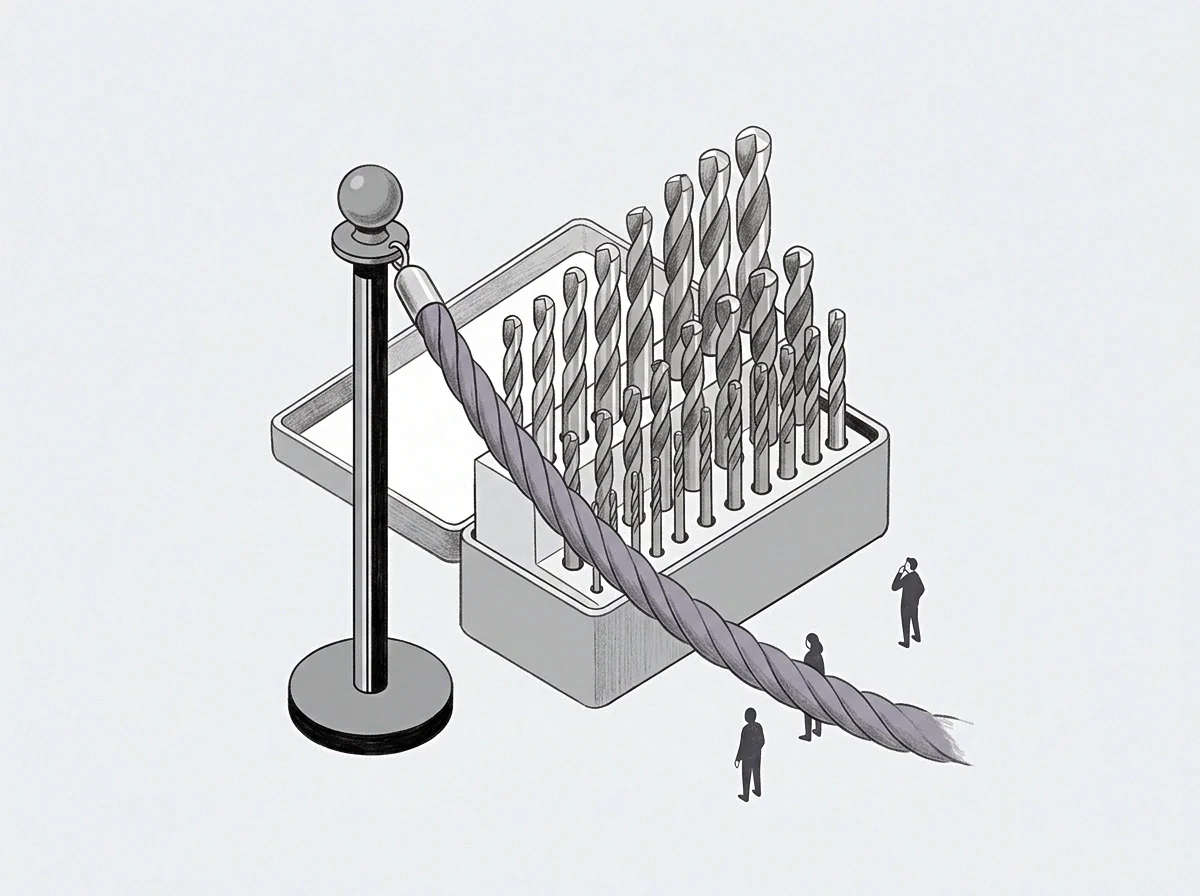
Resource Depletion and Capitalization Impasse
Leaving equity unwritten creates financial and operational liabilities when outside investment arrives. Financing rounds require clear capitalization tables and ownership documentation for code and patents. An unresolved equity claim supported by vague digital records creates a cloud on title that stalls funding, consumes leadership attention, and forces costly legal audits.
The expense of analyzing thousands of fragmented messages is disproportionate to an early-stage company’s value. Digital discovery, metadata verification, and witness depositions consume capital budgeted for product development or growth. Operators burn time categorizing old messages and drafting timelines instead of closing customers, losing momentum when speed matters most.
If a former contributor refuses to sign an intellectual property assignment without equity, investors often walk away. An early startup cannot survive prolonged litigation over its core IP. Leverage rests with whoever can stall operations, regardless of whether the claim would win in court.
Resolving the matter through litigation usually costs more than settling through equity dilution or a cash payout.
Settling an inflated claim under investor pressure imposes a lasting governance cost. Granting equity to a non-contributing former participant leaves dead weight on the cap table, giving away future upside before product-market fit was achieved. Paying cash instead drains working capital and shortens runway.
Failing to execute definitive equity documents at inception turns routine administrative work into balance-sheet liability.

Desk

Physical Boundaries and Evidentiary Segregation
Where informal arrangements are negotiated shapes the surviving evidence. Projects built in shared apartments or coffee shops produce digital records marked by gaps. Core commercial agreements happen in person over a desk or on a walk, while execution shifts back to chat and repositories.
The digital record captures the work that followed, leaving the governing agreement completely unrecorded.
A common sequence involves two founders verbally agreeing that equity will vest only after delivering a working prototype to a client. They leave the condition unwritten, open their laptops, and start committing code and preparing decks. For the next six months, the digital record consists entirely of technical tasks.
If one person leaves before the contract closes, the footprint shows months of uncompensated work without showing the unfulfilled condition behind it.
This split context creates severe evidentiary risk for remaining founders. In formal legal proceedings, the parol evidence rule limits external verbal evidence when an integrated written contract exists. Without a written agreement, all verbal discussions and conduct become admissible, turning the dispute into a credibility battle where personal testimony tries to fill the gaps in chat logs.
A complete archive of project tickets confirms the work performed while concealing the spoken conditions that preceded it.
Physical and financial records often carry clearer signals of commercial intent than chat logs. Equipment receipts, personal bank transfers funding hosting costs, and utility bills under a founder’s name show direct capital exposure and effort. Yet founders often overlook these records, relying solely on messaging apps to reconstruct their legal standing.
Early-stage ventures prioritize speed over administrative structure, favoring code releases and sales over legal documentation. This creates extensive execution logs alongside an absence of legal title—a gap that remains unnoticed until fundraising forces a legal audit.
Reviewing an informal message history years later, a founder often discovers that the other party interpreted silence as agreement.
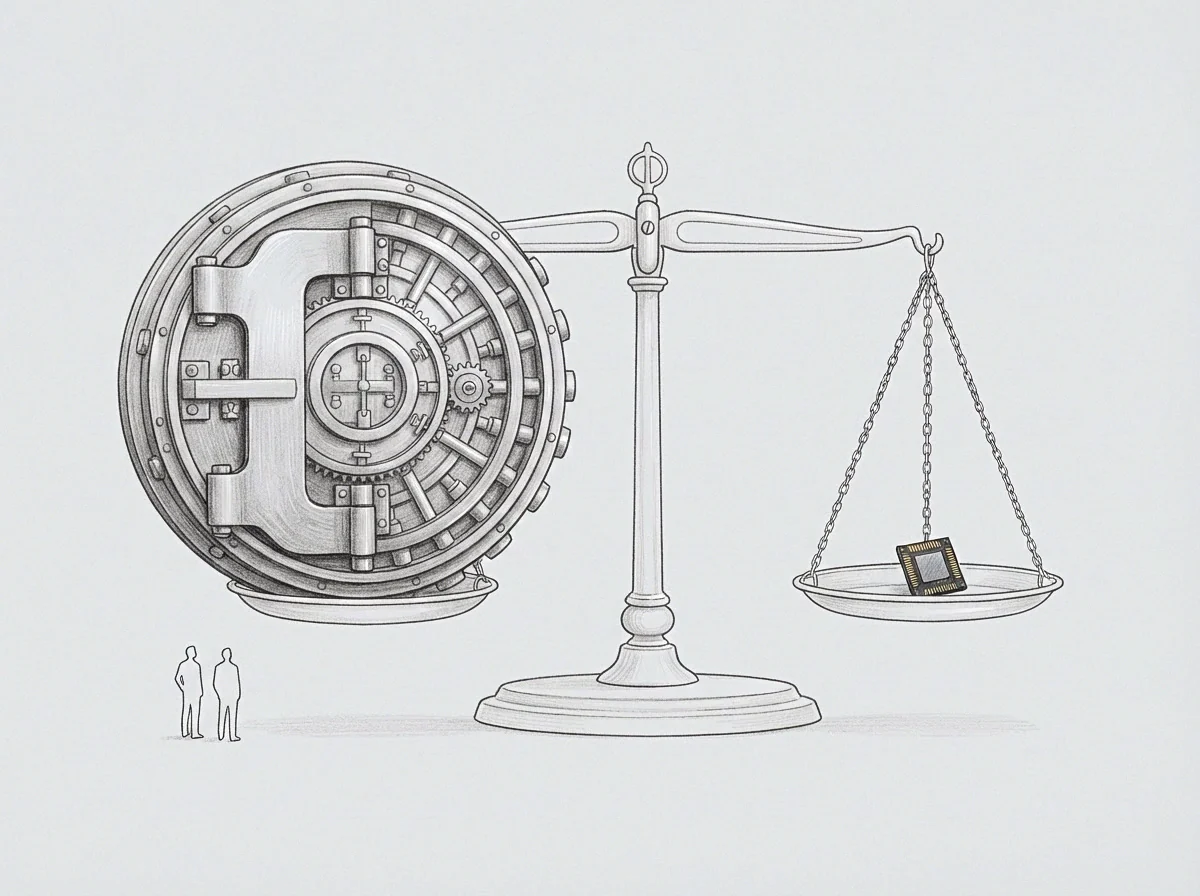
Settlement
Resolving contested equity claims requires separating measurable work from informal promises of future ownership. The process begins with an audit of repositories, messaging logs, and financial records to construct a clear timeline of involvement, establishing when work began, when it slowed, and when communication stopped.
Once the timeline is clear, the venture shifts negotiation from equity percentage to market-rate compensation for uncompensated labor. Calculating what that work would have cost at prevailing contractor rates establishes a specific cash figure, converting an open-ended ownership dispute into a defined commercial obligation solvable through cash, deferred payment, or advisor grants.
A formal settlement must secure full mutual releases and complete intellectual property assignments, explicitly superseding all prior written or verbal communications. Without an IP transfer covering everything built during the contribution window, any payout leaves the venture vulnerable to new claims during future funding rounds.
Claimants relying on informal messages face steep hurdles when forced to prove legal title. Under legal review, casual statements of partnership rarely yield equity without documented vesting, corporate filings, or financial risk. At the same time, operating founders face delays that can collapse a deal before legal resolution occurs, giving both sides incentive to replace ambiguous chat histories with a binding severance agreement.
Executing an integrated separation agreement with an express merger clause terminates the evidentiary weight of past digital fragments, permanently closing conflicting claims over the unwritten arrangement.