Meaning
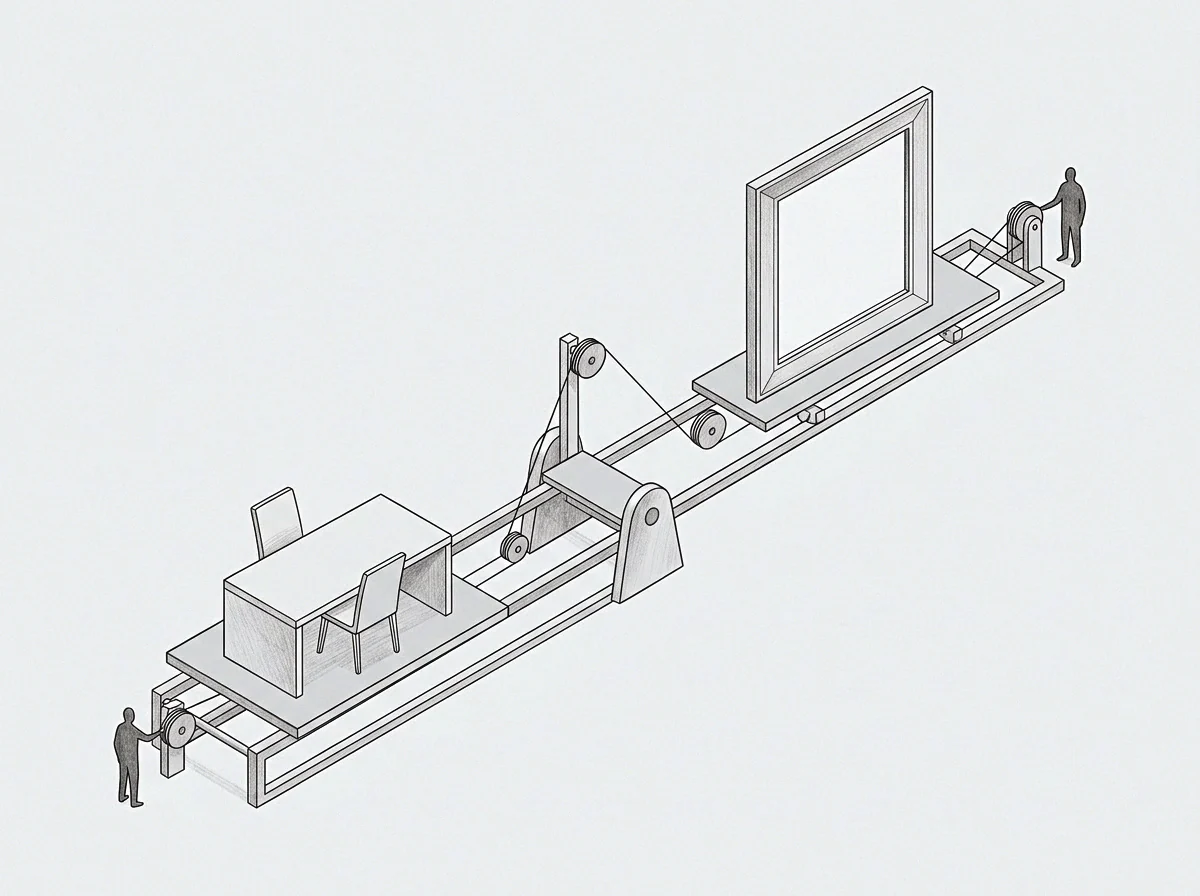
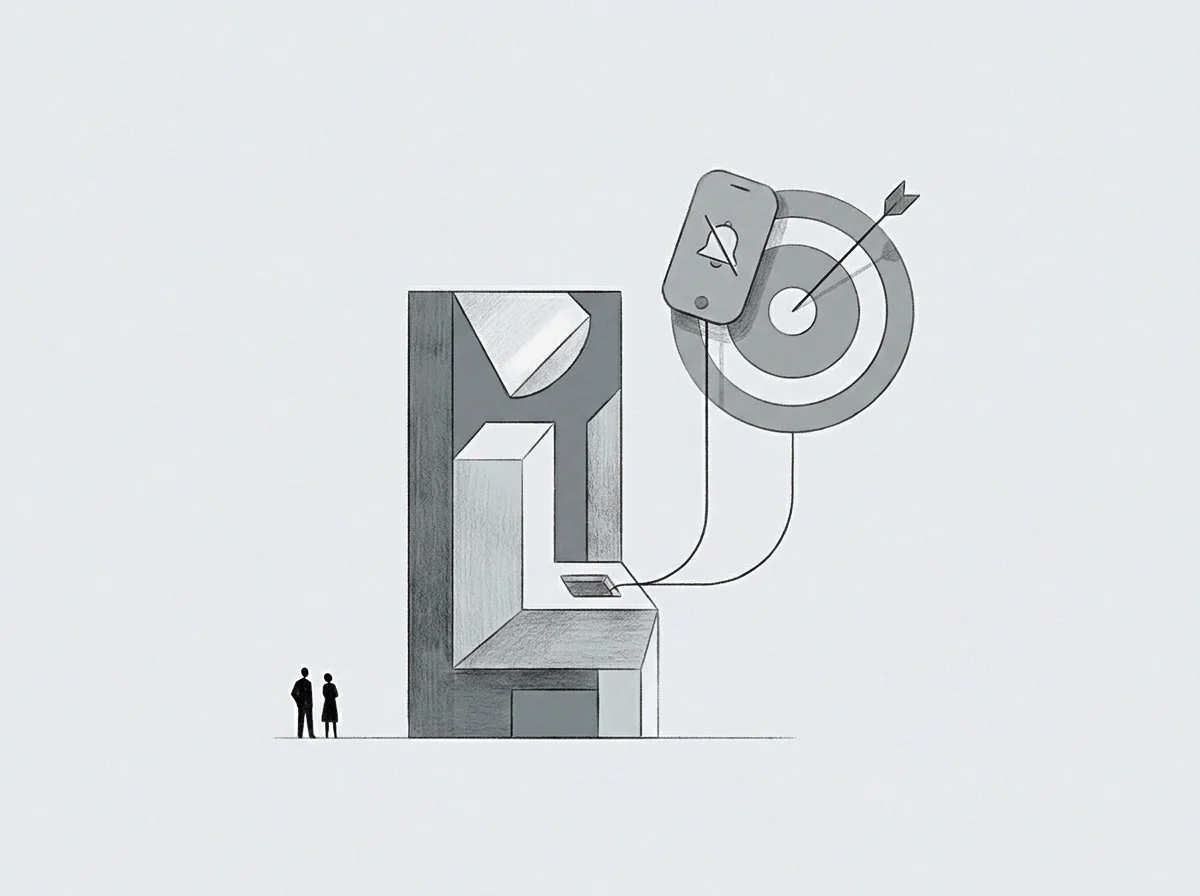
Mental revision of past events occurs when a person updates their recollections to align with current beliefs or outcomes. This form of cognitive reconstruction occurs because memories are unstable. It introduces inaccuracies that can disrupt future negotiations.
Retrospective Adjustment
When agreements are left unrecorded, the human brain fills in missing details using current motives. This means that cognitive reconstruction is not intentional deception but a natural mental process. Partners will recall terms that favor their present situation, believing those memories to be entirely accurate.
This creates differing accounts of the same historical event.
Psychological Mechanism
Stress and pressure accelerate the distortion of recollections over time. During a crisis, the cognitive reconstruction of original promises can destroy trust between founders. Without a written agreement, there is no way to verify which version of the past is correct.
Each person becomes convinced of their own version, leading to a breakdown in communication. This mechanism operates automatically and affects all partners regardless of their goodwill.
Evidentiary Risk
The primary danger of relying on undocumented decisions is the cost of sorting out these shifting perspectives. Because cognitive reconstruction alters recollections, disputes cannot be resolved by debate alone. Only a contemporary document can act as a reliable reference point to resolve these cognitive differences.
Having a clear record saves the firm from wasting hours of attention on personal debates.