Meaning
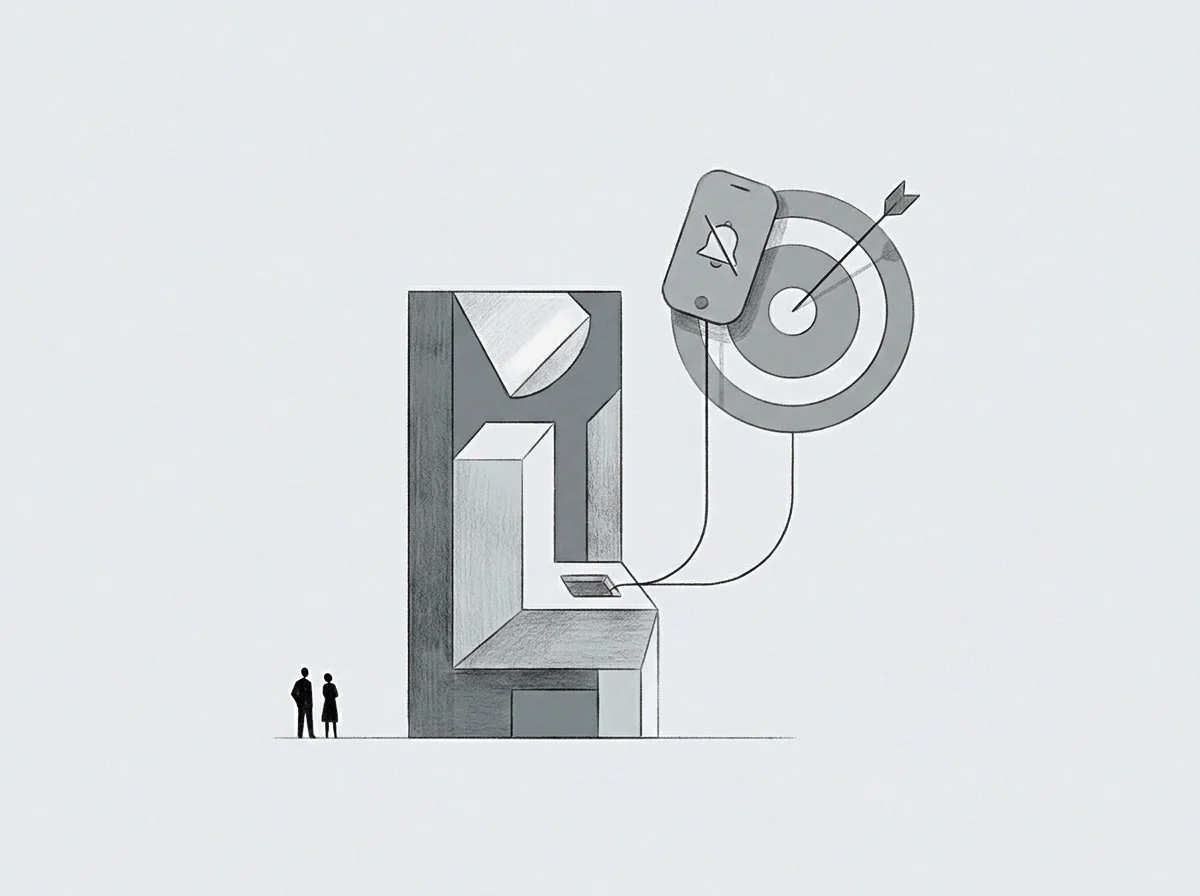
Electronic fragments of activity produced through the routine use of networked systems provide a granular chronology of professional conduct. Every interaction with a software platform leaves behind digital traces that exist independently of a formal report. These marks include metadata, login histories, and automated notifications that document the timing of specific actions.
Because they are generated by a machine, they often serve as more reliable indicators of timing than a manual entry.
Automated Verification
Systems capture the sequence of events without human intervention. This process ensures that the resulting digital traces remain free from the bias of a narrator. A log might show that a document was opened at midnight, contradicting a later claim that no work occurred during that period.
Retention Cost
Preserving these technical markers requires significant storage and a clear policy on data aging. The volume of information can overwhelm a small firm that fails to distinguish between vital signals and noise. It is often expensive to extract a specific proof from a vast sea of background activity.
Technical Boundary
Metadata alone does not capture the intent of an actor or the quality of a decision. While the record proves that a change happened, it does not explain why.