Meaning
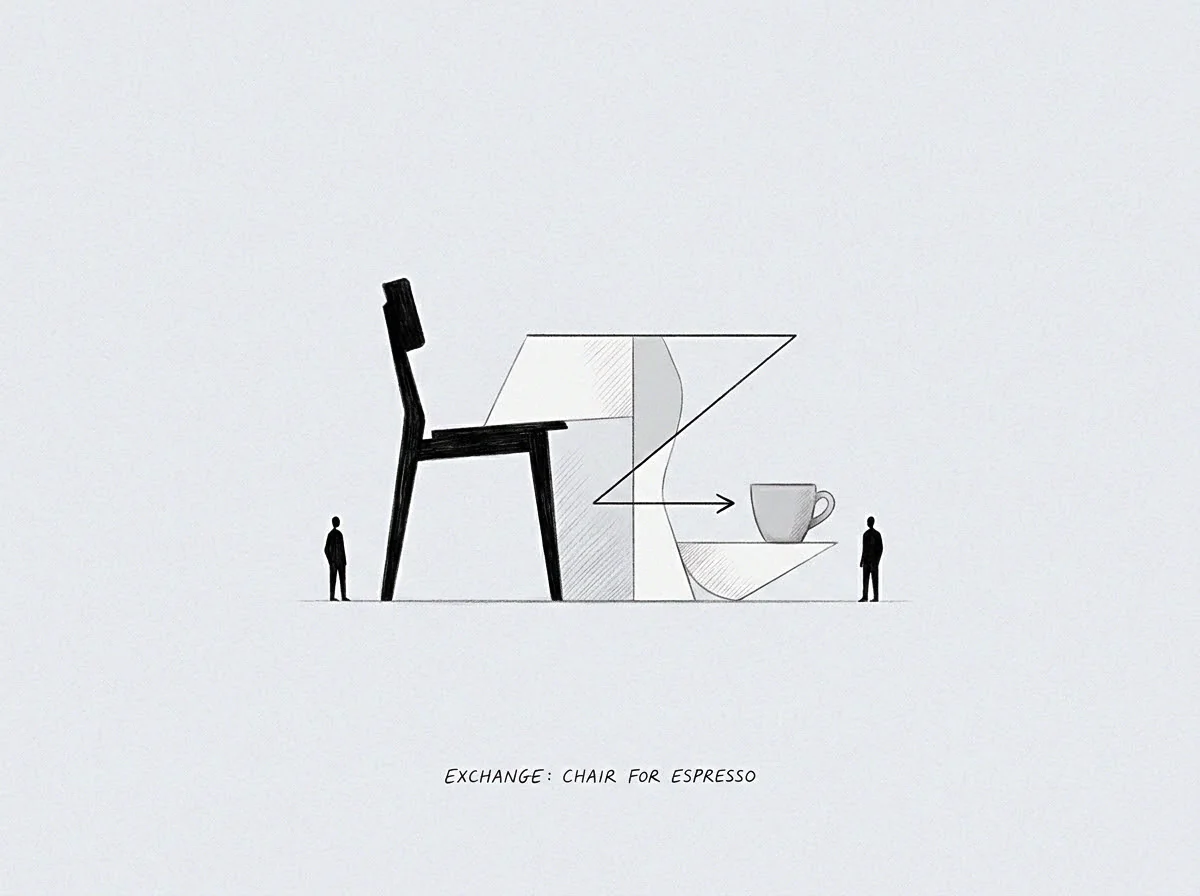
Unwritten understandings and verbal promises between founders or early employees lack the structure of a formal legal contract. These informal agreements often govern the initial allocation of work and the division of early responsibilities. While they allow for fast decision making, they rely entirely on the memory and goodwill of the participants.
This lack of documentation makes them a source of risk as the company grows and more formal structures are needed.
Verbal Reliance
Trust in a spoken word is the primary mechanism for coordination in the very beginning of a venture. When informal agreements are the norm, the record of the company exists only in the minds of the founders. This can be efficient during the high speed phase of building a product.
However, it creates a fragile foundation that can easily crumble if a disagreement arises. The cost of this reliance is the potential for a total loss of clarity regarding who promised what to whom.
Dispute Risk
Absence of a signed document leads to different interpretations of the same conversation months or years later. As the stakes increase, the pressure on these informal agreements grows. A founder might remember a promise of equity that another person remembers as a temporary incentive.
Without a dated and signed line, there is no way to settle the matter without a costly and lengthy conflict. This risk is a burden that hangs over many early stage companies that failed to document their early handshake deals. Legal costs for resolving such disputes often exceed the value of the original agreement, making them a threat to the survival of the firm.
Memory Failure
Human recollection is prone to fading and bias, especially under the stress of founding a new company. Informal agreements are particularly vulnerable to being forgotten or misremembered as the team expands. What seemed clear in a small group becomes a source of confusion for new hires who were not there.
The transition to formal records is necessary to prevent the loss of the original intent.