
Proving Prior Deal Terms When One Side Recorded The Meeting
Prior oral deal terms captured on unilateral recordings face strict exclusion under integration clauses and all-party consent wiretapping laws.
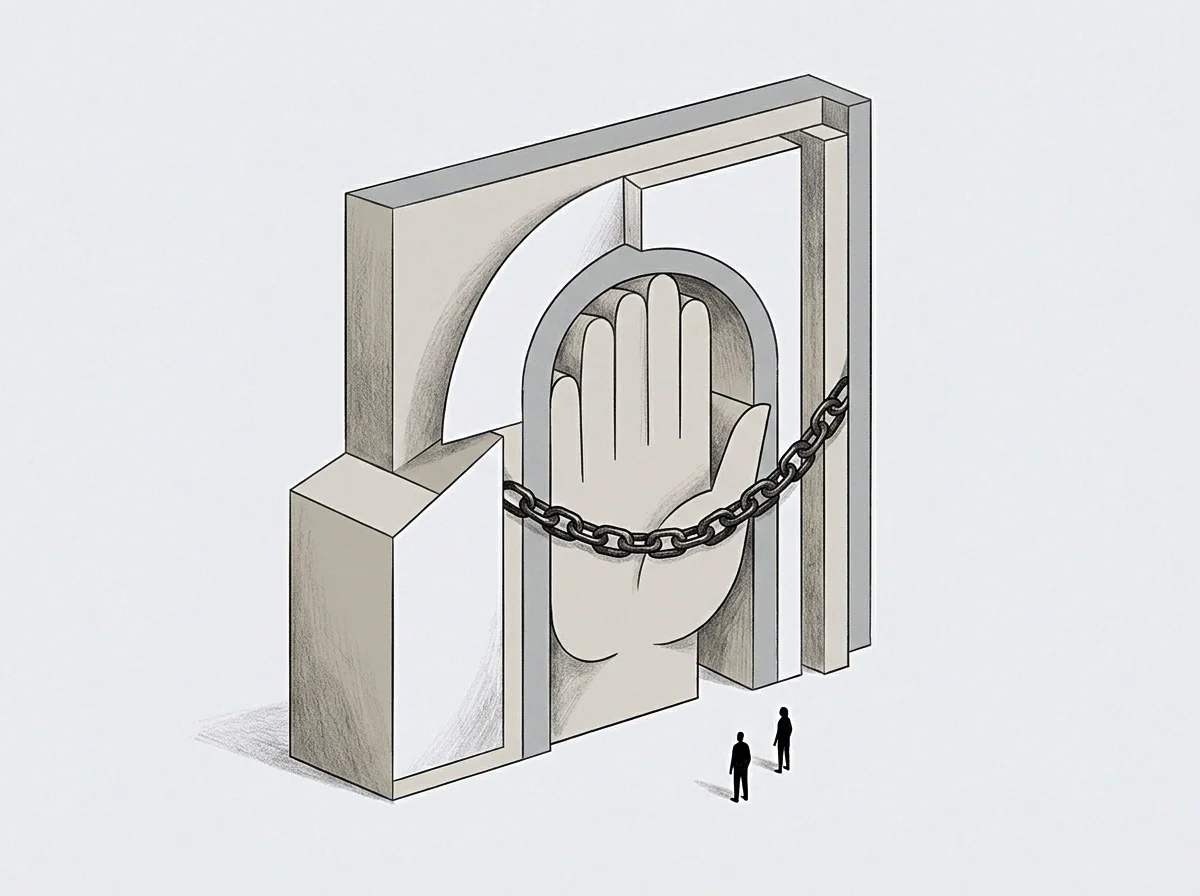
Tape
A participant leaves a negotiation, opens a laptop, and reviews an audio file recorded without notifying anyone else at the table. The recording captures forty minutes of conversation about equity vesting, IP assignment, and severance multipliers, preserving cadence, hesitation, and exact phrasing. The person holding the file assumes it settles any future dispute over what was agreed in the room.
In court, however, that recording encounters strict evidentiary limits.
Jurisdictions divide sharply on the legality and admissibility of unannounced recordings. In one-party consent states, anyone participating in a conversation may record it without informing the other attendees. In all-party consent jurisdictions, secret recording creates civil liability and is excluded by statute from civil proceedings.
Even when such a recording contains clear admissions on valuation floors or founder shares, that exclusion keeps the audio from being introduced as direct proof of an oral agreement.
A recording made without statutory consent remains barred from substantive evidence despite the accuracy of its contents.
The recording functions differently when used to refresh recollection or impeach contradictory testimony. A witness testifying under oath that vesting terms were never discussed can be confronted with a transcript on cross-examination. Here, the document challenges credibility rather than establishing the contract term directly, shifting leverage to whichever party holds the tape.

Acoustic Capture and Parol Proof
The evidentiary weight of a recording depends heavily on whether a subsequent written contract exists. When parties hold an unrecorded working session, reach an oral consensus, and later sign an integrated written agreement, the parol evidence rule restricts prior communications. An oral promise about board seats or acceleration triggers left out of the final executed document is excluded, regardless of audio proving the statement was made.
The recording shows what was said; it does not prove the term survived into the binding contract.
Parties often assume audio evidence overrides the four corners of a written agreement. But a written contract supersedes prior oral representations whenever it includes an explicit merger clause. The recording merely documents the negotiation—the discarded positions, exploratory offers, and tentative concessions that led up to the final text.
The counterparty maintains that exploratory negotiation discussions never constituted a binding commitment.

Recollection
Memory relies on reconstruction rather than playback. Cognitive research shows that human recollection shifts over time to align with later outcomes and self-interest. Two founders leaving an unrecorded ninety-minute discussion on option pools routinely recall different agreed percentages within forty-eight hours.
Each feels certain of their memory, yet that subjective confidence correlates poorly with accuracy.
When one party records a meeting while the other relies on memory, an asymmetrical dispute develops. The unrecorded party reconstructs the conversation through the lens of subsequent events. If the venture succeeds, they remember giving up less; if it struggles, they recall demanding stronger downside protections.
Subjective certainty increases over time while retrieval accuracy steadily declines.
The presence of an objective audio track exposes the specific mechanics of memory decay. Common divergence points include:
- Vesting commencement dates drift toward the initial incorporation date rather than the agreed product release milestone.
- Pro rata participation rights expand in the investor’s memory while shrinking to a single-round right in the founder’s recollection.
- Information delivery covenants shift from informal monthly updates into formal requirements for quarterly audited financial statements.
- Intellectual property contribution clauses blur the boundary between personal pre-existing code libraries and assets created for the company during employment.
The unrecorded party relies on retroactive narrative logic, whereas the audio file reveals the fragmented syntax, interruptions, and unresolved conditionals of actual negotiation. The recording shows that what felt like consensus was often an incomplete compromise.
Memory naturally bends toward self-interest.

Parol
Contract law prioritizes integrated writings over earlier oral discussions. Across common law jurisdictions, courts look to objective manifestations of intent. When a recording surfaces showing a promise left out of the final document, legal analysis hinges on whether the writing forms a partial or a complete integration.
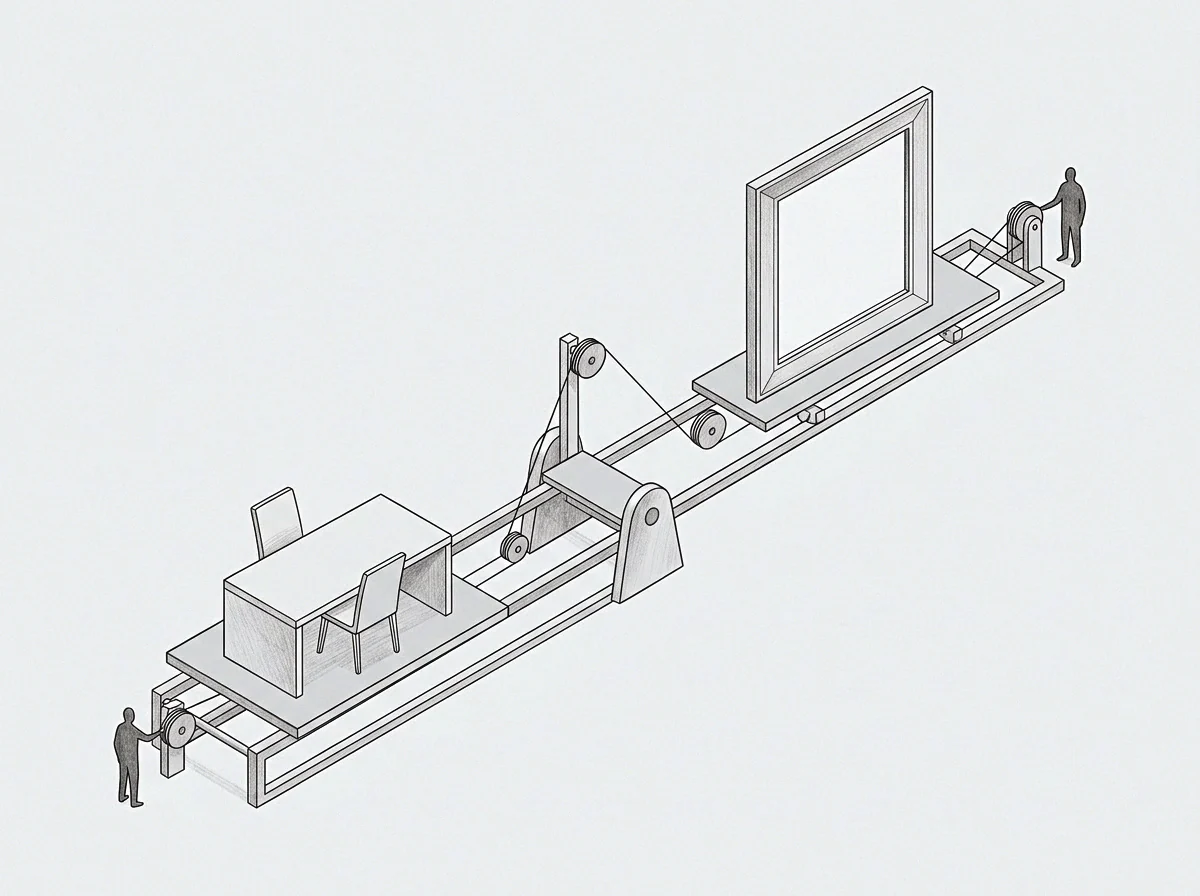
Can Extrinsic Audio Pierce An Integration Clause?
An integration clause states that the written contract is the final and exclusive expression of the agreement. Once included, extrinsic evidence of prior oral statements cannot add to, vary, or contradict the written terms. Audio evidence showing that an equity grant was promised verbally loses out to a signed contract stating equity remains discretionary.
Narrow exceptions to the parol evidence rule do exist. Audio evidence can enter the record to show fraudulent inducement, mutual mistake, or ambiguous terms. If a seller verbally claims software generates recurring annual revenue while knowing key contracts expire the following week, the recording proves the misrepresentation by documenting the exact statement that induced execution.
Extrinsic recordings breach integration clauses only through clear evidence of fraud or latent textual ambiguity.
The table below summarizes the operational contrast between recorded acoustic evidence and unrecorded memory across standard evidentiary settings.
| Evidentiary Dimension | Recorded Audio File | Unrecorded Human Recollection |
|---|---|---|
| Admissibility under merger clauses | Barred unless proving fraud, mistake, or latent ambiguity | Barred under identical parol evidence standards |
| Impeachment capability | High specificity against contradictory deposition statements | Low effectiveness against competing personal recollection |
| Vulnerability to cognitive drift | Zero drift in physical data file | High drift accelerating with time elapsed |
| Statutory consent restrictions | Excluded in all-party consent states if unannounced | Admissible as direct witness testimony |
| Authentication requirements | Chain of custody, forensic integrity, speaker attribution | Personal oath and cross-examination cross-check |
The standard integration clause nullifies prior oral statements unless fraud or drafting ambiguity opens the evidentiary record.

Contrast
The tactical dynamic changes when a party produces a recording during pre-litigation correspondence. Its revelation instantly alters settlement math: the party relying on memory realizes their expected testimony faces direct refutation on specific dates, figures, and timelines.
A typical dispute illustrates this friction. Two software engineers collaborate for eighteen months without a written agreement, holding weekly progress meetings. In month four, one engineer records a call in which the other says that twenty percent equity belongs to the original architecture designer upon commercial launch.
Ten months later, the business secures outside financing, and the founder signing the documents claims the second engineer was merely a paid contractor with no right to equity.
The contractor produces the recording. If one-party consent applies in that jurisdiction, the contractor holds direct evidence of an oral agreement. The defense must then argue the statement was conditional, superseded by later actions, or barred by the statute of frauds.
What the recording eliminates is the claim that the conversation never happened. The statement was clearly made.
Audio evidence shifts the dispute from whether words were spoken to whether those words formed a binding contract. The focus moves to consideration, definite terms, and mutual assent. A recording proves what was said, but it does not establish whether the parties intended to enter a legally binding agreement.
An audio recording documents the exact words spoken across the table.

Exposure
Relying on secret recordings brings substantial risk. Beyond potential wiretapping violations, secretly recording a counterpart damages commercial reputation during negotiations or dispute resolution. Arbitrators routinely evaluate good-faith conduct, and hidden recordings signal an adversarial posture long before any contract was signed.
Discovery rules require parties to produce relevant recordings. A party who recorded selectively will face demands for all audio files created throughout the relationship. If those recordings capture only favorable admissions while omitting sessions where concessions were given, courts may draw adverse inferences.
Forensic discovery will scrutinize metadata, deletion records, and gaps in the timeline.
Selective recording creates forensic risk whenever metadata reveals systematic gaps in the documentation.
Preserving deal terms through secret recordings carries far higher costs than keeping contemporaneous written notes. Sending a follow-up email after a meeting establishes a shared factual baseline. When an email summarizes agreed terms and invites corrections, the counterparty’s response—or silence—creates reliable documentary evidence without wiretapping risks or parol evidence hurdles.
Failing to capture terms in signed, integrated written agreements leaves equity arrangements vulnerable to exclusion rules that can render audio recordings useless in litigation.