
Quantifying Capacity Costs Paid When Oral Commitments Contradict Executed Operating Agreements
Contradictions between oral equity commitments and executed operating agreements divert founder executive capacity into continuous dispute resolution.

Chair
An operator sits in an executive chair working twelve hours a day under the belief that an informal verbal agreement grants them a thirty percent equity stake, while the executed operating agreement filed with the state defines them as a minor unit holder with ten percent non-voting equity. This divergence creates two parallel accounts of the enterprise. One account lives in operational planning sessions where promises of equal ownership were spoken to maintain executive motivation.
The second lives in signed legal filings stored in corporate binders, governing board control, dividend distributions, and voting rights.
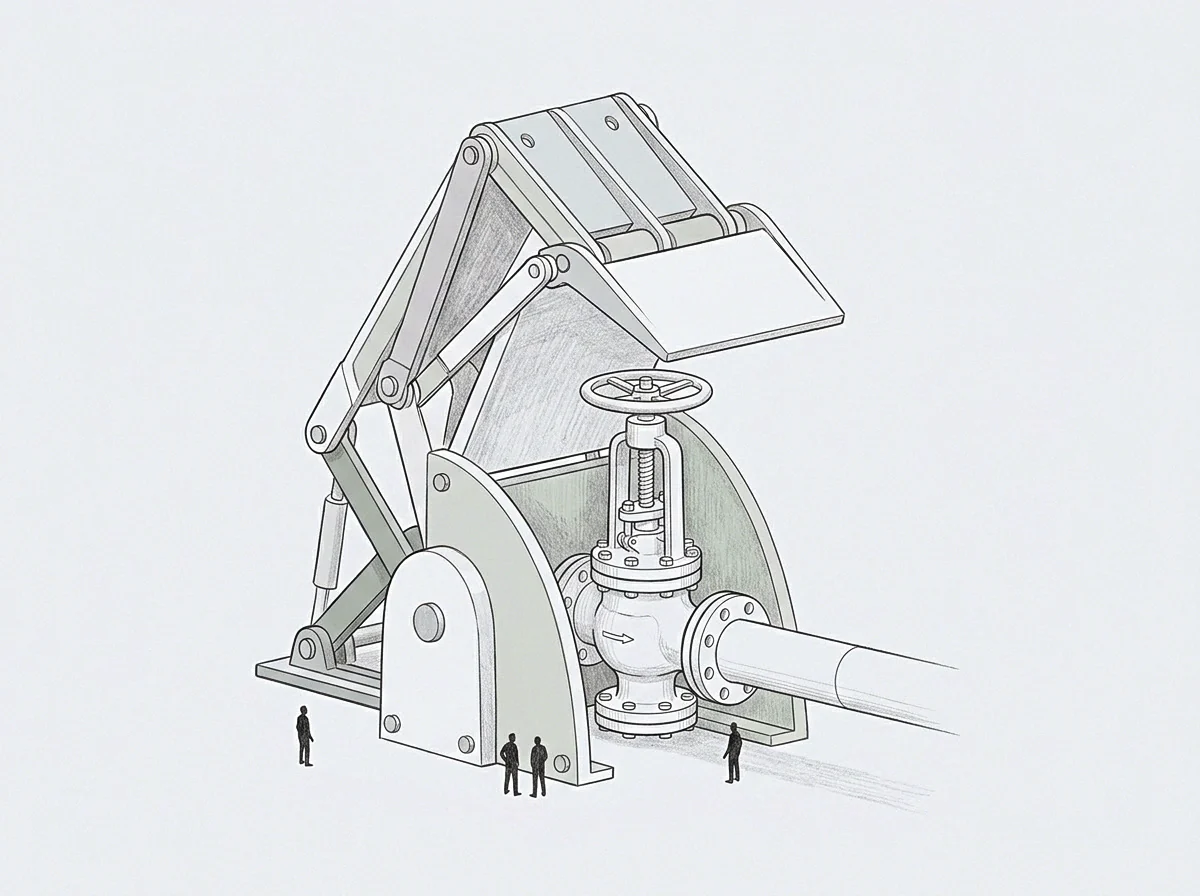
Parallel Accounts in Operational Execution
Operational friction surfaces when executives act on conflicting governance records. The operator holding the verbal assurance acts as a principal owner by committing personal capacity, making capital allocation decisions, and absorbing operational risk. Meanwhile, the majority owner holding the executed contract treats those earlier conversations as conditional projections tied to unrecorded milestones.
Neither party reconciles these incompatible positions while the business generates enough cash flow to cover immediate needs.
An operator holding an unwritten equity promise functions simultaneously as a principal owner and a revocable executive.

Operational Bandwidth Spent on Shadow Governance
Maintaining two governance accounts drains executive capacity. Planning stalls when strategic choices hinge on unwritten equity splits, forcing the operator to spend working hours probing their actual standing through informal conversations, email trails, and verbal checks. This shadow governance pulls attention directly away from product development and market expansion, redirecting finite hours toward defensive positioning.
The executed agreement reflected the actual risk distribution at formation, while verbal conversations merely outlined potential future equity grants tied to performance milestones that were never documented.
Split
Memory reconstructs past oral commitments through the lens of current valuation and individual contribution. When two partners discuss equity distribution during initial formation, verbal statements carry high situational ambiguity. The partner delivering operational labor interprets casual assurances of future ownership as binding commitments, whereas the partner providing initial seed capital remembers those same discussions as aspirational targets subject to board approval.

Memory Reconstruction in Unwritten Equity Terms
Recall regarding unwritten commercial terms shifts over time. Individuals naturally adjust their recollection of verbal agreements to match their perceived contribution. As corporate valuation climbs, the operational partner recalls a firm promise of an equal equity split, while the founding investor remembers an informal conversation about incentive stock options.

Strategic Ambiguity at Entity Formation
Founding partners frequently rely on ambiguity during setup to avoid immediate tension over ownership splits. Leaving equity terms informal allows work to proceed without forcing uncomfortable legal discussions, but this deferral creates a structural vulnerability that emerges the moment corporate assets hold material value.
The following failure modes regularly emerge from unwritten equity arrangements:
- Vague equity milestones leave performance targets open to individual subjective interpretation.
- Unfiled side letters create phantom governance rights that fail during institutional legal diligence.
- Deferred cap table reconciliation allows operational momentum to mask growing underlying legal divergence.
Operating on undocumented equity assurances guarantees that executive attention moves from market competition to internal contractual defence when valuation increases.

Ledger
Quantifying the capacity costs paid when oral commitments contradict executed contracts requires tracking lost executive hours, decision latency, and discounted enterprise value. The distance between what was promised verbally and what was executed legally creates a direct financial and operational drain on the enterprise.

What Capacity Is Lost When Operational Accounts Diverge?
Decision latency escalates rapidly when strategic pivots require consensus from leaders operating under contradictory assumptions about their voting power. An executive who assumes equal voting standing will resist board decisions made by a majority unit holder acting on the executed operating agreement.
Uncertainty in governance documentation converts executive bandwidth directly into defensive legal accounting.
Measuring Execution Drag Across Operational Domains
The operational drag extends across four distinct corporate domains: equity allocation, capital commitments, exit distributions, and strategic voting.
| Governance Domain | Executed Operating Agreement Term | Contradictory Oral Commitment | Operational Capacity Cost |
|---|---|---|---|
| Equity Allocation | Ten percent non-voting units | Thirty percent voting equity split | Weekly executive hours diverted to cap table negotiation |
| Capital Calls | Pro-rata cash injection mandatory upon board call | No future personal cash contribution required | Deferred product launch due to frozen capital accounts |
| Exit Proceeds | Liquidation preference paid to majority owner first | Equal distribution of net acquisition proceeds | Delayed transaction closing caused by threatened shareholder litigation |
| Voting Rights | Majority consent governs major capital expenditure | Unanimous informal consensus required for strategy | Executive decision latency increasing by four weeks per strategic shift |
When dual accounts persist, ongoing friction reduces overall execution throughput as leadership hours shift from external operations to internal equity alignment.
Written terms dictate corporate reality during transactions while verbal assurances remain informal background noise.

Gate
The contradiction between executed operating agreements and oral promises reaches a breaking point at the transaction gate. Institutional events such as venture capital investment rounds, secondary asset sales, or complete corporate acquisitions enforce complete legal verification of the capital structure.

Transaction Freeze During Investor Legal Diligence
Incoming investors require legal diligence before releasing growth capital or completing an acquisition. Corporate attorneys review board minutes, state tax filings, capitalization tables, and executed operating agreements. If an active executive asserts an unwritten claim to thirty percent of the equity based on historical discussions, buyers pause the transaction to avoid unquantified litigation risks against title ownership.
When investor diligence exposes contradictory cap table accounts, transaction closing freezes until written liability releases are secured.

Worked Case of Exit Friction
Take an enterprise built over four years by two key leaders operating under a signed agreement granting eighty percent equity to the founding capital investor and twenty percent to the operating partner. Assume the investor verbally promised to adjust the split to fifty-fifty once annual revenue crossed five million dollars. When an acquisition offer arrives valuing the company at ten million dollars, the operating partner expects five million dollars based on the oral promise, while the executed contract entitles them to two million dollars.
Diligence attorneys will refuse to proceed until this dispute is settled in writing, forcing the company into emergency settlement negotiations that stall the closing process.
The following operational steps resolve transaction freezes caused by divergent equity accounts:
- Audit corporate documentation against active operational expectations held by all working executives.
- Conduct formal cap table reconciliation conversations before initiating third-party investor diligence.
- Execute written liability releases and formal contract amendments reflecting agreed settlement terms.
Whether informal promises can ever be liquidated without destroying transaction equity remains a question resolved entirely by the majority owner’s willingness to grant voluntary concessions.

Seal
Preventing capacity drain from divergent accounts requires structural contractual mechanisms that align operational expectations with written governance records. Formal merger provisions and written estoppel declarations eliminate the legal weight of prior verbal promises.

Integration Provisions as Structural Firewalls
An integration clause establishes that the signed contract constitutes the complete and final agreement between the parties. Any prior oral commitments, side conversations, or informal email exchanges regarding equity splits lose legal standing once an integrated contract is executed.
An executed merger clause strips prior verbal promises of legal force, forcing all ongoing equity claims into written contractual amendments.

Estoppel Declarations and Timed Cap Table Merges
Corporate governance stability requires periodic verification of written terms. Executing formal estoppel declarations obligates members and key executives to periodically confirm in writing that no unwritten side agreements or verbal equity commitments exist. Forcing regular reconciliation ensures that any divergence between operational expectations and legal documentation is addressed long before an acquisition or fundraising event.
An executed integration clause coupled with a written estoppel declaration extinguishes shadow equity claims, binding both parties strictly to the recorded operating agreement.