
Reconciling Unwritten Sovereign Guarantees In Multilateral Debt Workouts
Unwritten sovereign guarantees are excluded from official multilateral debt workouts, forcing bilateral creditors to absorb full losses on unbacked commitments.

Cabinet
A debt restructuring desk encounters two distinct legal artifacts when a sovereign debtor enters distress. One document carries a formal ratification stamp from a national assembly, committing the public treasury to absorb full debt service upon default. Another instrument sits inside an executive file room, signed by a finance minister or ministry director, promising administrative support, priority foreign exchange allocation, or capital preservation for a state enterprise project without legislative authorization.
During liquidity expansion, international commercial banks and official bilateral creditors treat both documents as functional equivalents. Risk committees price loan facilities against the underlying credit of the sovereign host state rather than the project cash flows of the domestic borrowing vehicle. Yield differentials remain narrow, and credit syndicates distribute exposure on the assumption of eventual state absorption.
The distinction turns absolute when fiscal space closes and debt sustainability analyses trigger a formal restructuring call. Multilateral institutions and official creditor committees enforce strict eligibility thresholds that divide sovereign obligations into legally enforceable liabilities and unbacked political assurances. The missing parliamentary approval strips the informal assurance of its statutory standing, leaving the bilateral lender holding an isolated exposure while the sovereign ministry maintains that no sovereign guarantee ever existed.
Two accounts of one transaction exist simultaneously across the operational timeline. The lending institution records a credit enhancement backed by the full faith of the sovereign government. The sovereign debt management office lists an unauthorized comfort letter carrying no budget line, no legislative approval, and no standing within public debt calculations.
Neither account is tested while debt service payments arrive on schedule. The debt workout forces the first direct comparison between the credit memorandum and the sovereign ledger.
An unrecorded sovereign assurance functions as full credit protection during capital inflows and dissolves into an invalid administrative note during debt workouts.
The delta between these accounts measures the unbooked cost of the credit facility. When a sovereign workout begins under standardized multilateral guidelines, official creditor groups establish a baseline of recognized sovereign debt. Unwritten assurances, oral undertakings by cabinet officials, and informal comfort letters fail the entry test for sovereign inclusion.
The bilateral lender demands equal treatment for losses incurred on sovereign-directed projects, while the sovereign restructuring committee rejects the inclusion of contingent liabilities that lack statutory foundation.
The bilateral creditor insists that executive assurances created a binding state obligation that must be honored alongside commercial notes.

Precedent

Paris Club Principles and the Treatment of Implicit Debt
Debt workout practice across official bilateral channels relies on established principles of burden sharing and comparability of treatment. Sovereign debt restructurings executed through consensus platforms require all participating creditors to grant relief proportional to their exposure. The definition of exposure rests on verified sovereign debt instruments.
Historical precedents across sovereign debt restructurings confirm that non-binding comfort letters receive zero allocation within official debt relief calculations.
A recurrent dispute emerges between traditional Paris Club creditors and non-traditional bilateral institutions regarding the status of quasi-sovereign liabilities. State-owned enterprise debt carrying explicit guarantees receives automatic inclusion in the sovereign pool. State-owned enterprise debt carrying implicit guarantees presents an operational impasse.
Creditors who extended capital based on verbal commitments from state leaders seek to retroactively convert implicit assurances into recognized sovereign obligations during restructuring negotiations.
Official creditor committees reject retroactive conversion. Admitting unwritten guarantees into the recognized sovereign debt pool inflates the total stock of sovereign liabilities, forcing explicit guarantee holders to absorb deeper haircuts to restore debt sustainability. Sovereign debt managers face legal prohibitions against converting unauthorized executive promises into formal national debt without statutory approval.
The institutional framework punishes the creditor who accepted informal comfort in place of statutory procedure.

Structural Differences in Sovereign Exposure Validation
| Exposure Class | Statutory Basis | Multilateral Workout Treatment | Loss Allocation Mechanism |
|---|---|---|---|
| Explicit Sovereign Guarantee | Parliamentary ratification or specific statutory authority | Full inclusion in sovereign debt pool and comparability calculations | Pro-rata haircut across all verified sovereign instruments |
| Implicit Sovereign Assurance | Executive comfort letter, ministerial letter of intent, or oral promise | Exclusion from official sovereign debt pool; classified as corporate debt | Full loss absorption by lender or corporate restructuring of entity |
| Quasi-Sovereign Project Debt | State-owned enterprise balance sheet without state guarantee | Excluded unless sovereign elects to assume debt via formal legislation | Subordinated to direct sovereign claims; settled through asset recovery |
| Classification governs entry into official comparability of treatment matrices under multilateral workouts. | |||
The table illustrates the structural division that governs sovereign debt workouts. Financial institutions operating under commercial mandates frequently mistake operational integration between a state enterprise and a finance ministry for a binding state guarantee. When distress occurs, the multilateral debt sustainability framework evaluates statutory documentation rather than operational history.
The absence of a explicit statutory link isolates the asset from sovereign debt relief protocols.
Restructuring platforms enforce loss allocation based strictly on verified statutory documentation rather than operational history.
Cognitive research on institutional memory reveals how loan syndicates normalize missing legal terms. Credit officers project safety onto high-yield sovereign assets by emphasizing political proximity over legal documentation. Over multi-year investment cycles, internal bank memoranda drop references to the missing statutory guarantee, describing the borrower as a sovereign-backed entity.
The bank’s risk model incorporates the sovereign credit rating, completing a self-referential accounting structure that survives until the restructuring call.
The gap measures capital destroyed.
Excluding unbacked liabilities from the sovereign restructuring pool forces the bilateral lender to pursue recovery through local judicial channels or corporate insolvency proceedings against the state-owned borrowing vehicle. Sovereign states frequently exercise domestic legal privileges to shield state assets from execution, blocking effective commercial recovery. The lender absorbs the complete write-down of the asset while the sovereign debt stock undergoes official restructuring without registering the unwritten guarantee.
Failure to secure formal legislative approval prior to financial closing guarantees the total loss of sovereign standing when sovereign debt default occurs.

Parity

Comparability of Treatment Across Diverse Creditor Classes
The expansion of sovereign lending beyond traditional official channels created competing frameworks for debt workouts. Multilateral debt workouts depend on parity across all bilateral and private creditor groups. The Common Framework for Debt Treatments attempts to bring all official bilateral creditors under a unified restructuring standard.
Parity requires transparent disclosure of all sovereign claims, contingent liabilities, and collateral arrangements.
Unwritten guarantees destabilize comparability calculations. When a non-traditional bilateral creditor holds significant volumes of unbacked state-owned enterprise debt, that creditor may attempt to negotiate side agreements with the sovereign debtor. The sovereign offers preferential access to national resources, equity stakes in state infrastructure, or prioritized cash flows in exchange for the creditor waiving its claim to formal sovereign guarantee status.
This parallel settlement evades multilateral scrutiny and breaches the comparability standard.
Multilateral institutions mandate comprehensive debt transparency reviews before approving emergency liquidity facilities. External debt audits identify undisclosed commitments, off-balance-sheet guarantees, and informal comfort agreements extended by executive agencies. The discovery of hidden guarantees halts disbursement programs, requiring the sovereign debtor to reconcile its official debt registry before workout proceedings resume.
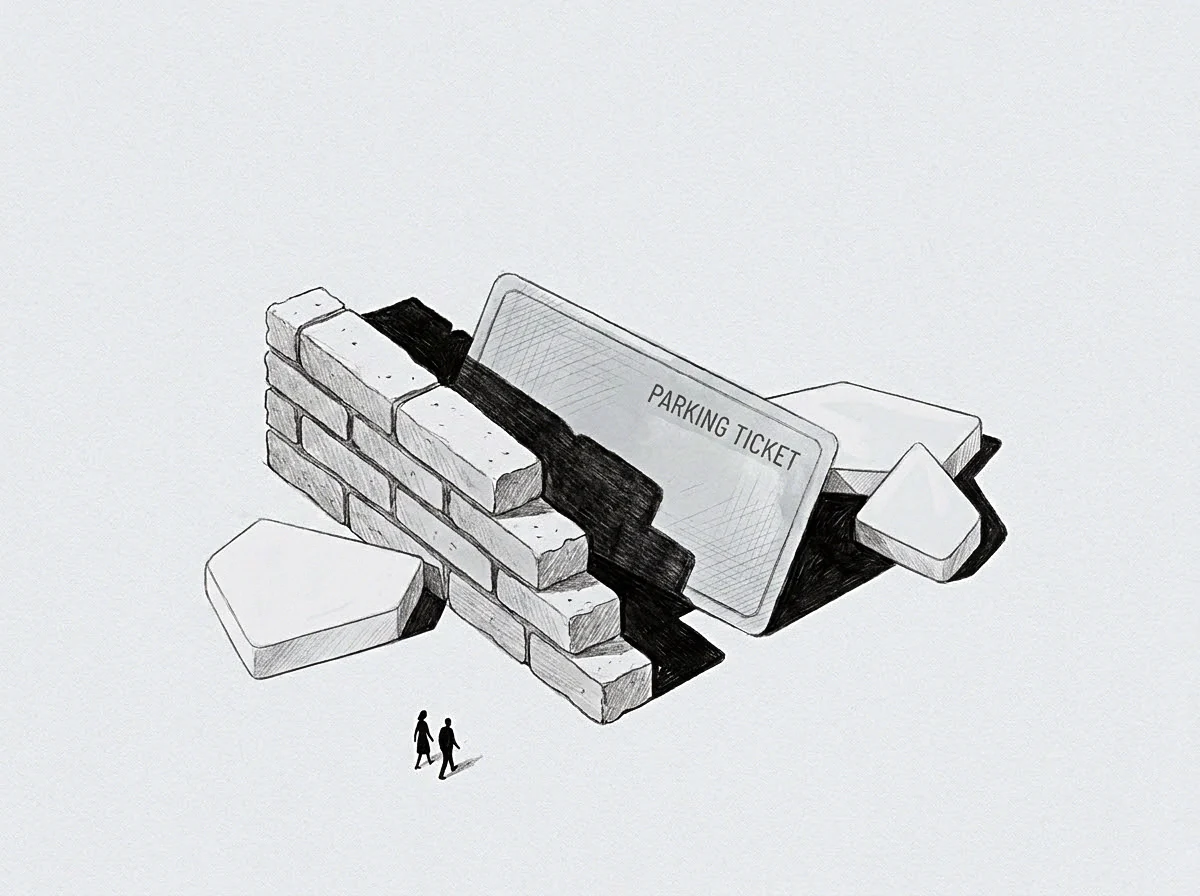
Where Does Disclosure Break the Settlement Matrix?
Reconciling unwritten guarantees requires a systematic audit of all informal executive commitments before establishing the restructuring baseline. Creditor negotiations stall when undisclosed assurances surface mid-negotiation. Transparency forces two structural adjustments across the creditor ecosystem:
- Formal reclassification of all informal executive letters into non-binding administrative statements lacking sovereign recourse.
- Recalibration of the sovereign debt ceiling to exclude all unauthorized contingent liabilities held by bilateral lenders.
- Establishment of an explicit standstill agreement covering both formal sovereign debt and informal state-owned enterprise claims.
- Equalization of loss distribution rules across all participating official bilateral financing vehicles.
The audit process reveals the exact delta between the debt figures published by the sovereign debt management office and the claim totals submitted by external bilateral institutions. Discrepancies exceeding ten percent of sovereign gross domestic product are common when unbacked state-owned enterprise loans are retroactively claimed as sovereign debt by foreign lending entities. Reconciling this discrepancy requires political concession rather than legal arbitration.
The dispute resolves only when the sovereign debtor formally disavows informal assurances or enacts retroactive legislative guarantees that absorb the liabilities onto the national balance sheet. Disavowal forces the external lender to write off the asset immediately. Retroactive absorption requires the sovereign to accept deeper debt relief terms across its entire public debt portfolio to maintain debt sustainability targets set by multilateral auditors.
Unclosed gaps in debt registries delay liquidity disbursements and expand total workout costs for sovereign borrowers.
The legal documentation governing multilateral debt treatments contains specific clauses governing broad comparability metrics, where the inclusion of any debt instrument remains strictly conditional upon written verification by the host country’s supreme auditing body prior to the finalization of the restructuring agreement.

Exposure
Commercial banking syndicates and official export-import banks hold distinct positions regarding unwritten guarantees. Export credit agencies often operate under diplomatic mandates that view implicit political assurances as sufficient security for infrastructure loans. The agency relies on state-to-state diplomatic mechanisms to enforce debt service compliance, bypassing commercial legal enforcement channels.
Commercial syndicates, operating without state diplomatic backing, depend entirely on legal enforceability under internationally recognized governing laws.
When sovereign distress emerges, the diplomatic enforcement mechanism fails. Sovereign state leadership facing domestic political instability prioritizes essential imports and core government operations over informal political commitments made to foreign export credit bodies. The diplomatic channel offers zero protection when national foreign exchange reserves drop below critical import thresholds.

Failure Patterns in Contingent Liability Management
Institutional failures across sovereign risk management follow recognizable operational patterns during market expansions. Risk officers permit exceptions to legal documentation requirements when sovereign debt volume targets conflict with legal compliance protocols:
- Administrative Substitution occurs when a bank accepts a letter of comfort from an executive minister in place of a legislatively approved statutory guarantee.
- Rating Upgrades happen when internal credit models apply the sovereign rating to an unguaranteed state enterprise based solely on state ownership metrics.
- Registry Omission develops when sovereign debt management offices deliberately exclude informal executive promises from public contingent liability reports.
- Parallel Negotiation emerges when creditors attempt to enforce unwritten claims through bilateral resource concessions outside established multilateral restructuring forums.
These failure patterns compound structural risk across the financial system. When multiple bilateral institutions accumulate unwritten guarantees against the same sovereign entity, total effective public debt exceeds reported metrics. Multilateral debt sustainability models calibrated on official records underestimate systemic fiscal distress, delaying necessary debt restructurings until foreign exchange reserves face total exhaustion.
The freeze in international market access measures the true scale of undisclosed contingent commitments. Sovereign borrowers that conceal unbacked guarantees lose access to global capital markets as international bondholders price in the risk of hidden structural claims. Market reentry requires full audit completion and public disavowal of all unwritten sovereign liabilities.
Unstated sovereign commitments inflate borrowing costs across all public sector entities by destroying credit transparency.
Risk committees that treat informal administrative assurances as effective sovereign credit instruments lose both legal standing and political leverage when sovereign debt default forces formal multilateral restructuring.

Resolution
The reconciliation of unwritten sovereign guarantees within multilateral debt workouts depends on clear legal segregation. Sovereign debt workouts cannot proceed on ambiguous credit expectations. Multilateral workout platforms enforce clarity by establishing an absolute distinction between statutory state liabilities and unbacked executive assurances.
Sovereign debt management offices must establish unified contingent liability registries that record only those guarantees authorized by parliament or statutory law. International financial institutions enforce this discipline by making loan disbursements contingent on absolute registry transparency. Bilateral lenders operating in international markets are forced to adjust risk capital allocations, recognizing that unwritten guarantees carry zero legal recourse in sovereign debt restructurings.
When restructuring negotiations open, unwritten assurances drop out of official comparability matrices. The financial loss falls entirely on the party that accepted administrative comfort over legal process. The sovereign debtor cleanses its balance sheet of shadow commitments, while the external lender adjusts its asset valuation to reflect true statutory standing.
The workout completes when both parties align their records with the verified public debt registry.