
Resolving Conflicting Records When Informal Executive Perquisites Trigger Constructive Discharge Disputes During Ownership Transitions
Constructive discharge disputes arising from post-acquisition perk revocation resolve through historical expense reconstruction and baseline compensation reconciliation.

File
An integration audit conducted three weeks after equity transfer reveals expense lines that never appeared in formal disclosure schedules. The transaction closes. Ledgers record formal base pay.
Discrepancies surface immediately. Executive expense reports arrive containing recurring personal allowances, non-standard technology allocations, and unbilled advisory stipends previously authorized through direct founder email or verbal understanding. The newly installed board views these line items as unapproved operational leakage.
The executive treats the revocation of these items as an intentional reduction in baseline remuneration.
Discrepancies require immediate documentation. Historical accounting records in closely held middle-market firms frequently obscure informal perquisites within general administrative categories. Discretionary automobile leases, personal travel upgrades, and client development budgets often sit inside broad overhead accounts.
When new equity owners assume operational control, standardizing expense policy functions as an initial operational mandate. Eliminating unwritten allowances reduces total real executive earnings while keeping nominal base salary unchanged.
An informal allowance omitted from transaction schedules converts into contested compensation upon change of control.
The record gap expands when transactional diligence relies exclusively on formal employment agreements and standardized payroll extracts. Sellers under pressure to deliver clean financial schedules often omit informal perquisite approvals from target company disclosure bundles. Executives continue operating under historical arrangements, assuming past operational reality dictates ongoing compensation rights.
The acquirer assumes that unrecorded practices possess zero legal standing following closing. Omission of informal perquisites from baseline acquisition schedules exposes the successor enterprise to retroactive wage claims and unexpected severance liabilities.

Custom

Implied Contractual Terms and Integration Covenants
Longstanding operational customs alter the baseline employment relationship over time. Operational practices maintained across multiple tax years generate explicit expectations of continuity. Courts evaluating executive contract disputes examine course-of-performance evidence alongside executed documents.
Silence creates exposure. When an employer consistently reimburses specific informal benefits without written reservation, those benefits frequently achieve the legal status of implied contractual terms.
- Discretionary expense allocations covering non-standard personal software, family travel add-ons, or private club memberships authorized by prior leadership.
- Flexible schedule arrangements permitting unrecorded off-site advisory work during primary business hours without salary adjustment.
- Uncapped tax gross-ups calculated informally outside standard payroll software through year-end lump sums.
Acquisitions introduce merger integration clauses designed to eliminate prior oral agreements. These zipper provisions declare that written transaction agreements represent the complete and exclusive statement of terms. Conflict arises when post-closing integration teams enforce zipper clauses against historical executive perquisites that pre-date the deal.
The legal force of an integration clause depends on whether the historical perquisite forms part of the underlying employment agreement or represents a separate operational practice.
Longstanding operational customs carry contractual weight unless explicitly superseded in writing.
Formal audits reveal unrecorded allowances. When ownership shifts hands, incoming management enforces written compliance boundaries to establish operational control. Oral assurances carry minimal weight.
The asset purchase agreement defines total valid compensation, rendering prior unwritten arrangements void upon deal close.

Delta

Quantifying Variance Between Written Ledgers and Operational Reality
Measuring the total economic value of contested perquisites requires reconstructing historical payment patterns across past fiscal cycles. Executive claims often combine direct monetary reimbursements with non-monetary operational privileges. Acquirers evaluate claims strictly through validated receipts and formal corporate board minutes.
The variance between these baseline calculations represents the true financial exposure of the constructive discharge dispute.
| Perquisite Vector | Executive Baseline Account | Acquirer Ledger Account | Evidentiary Standard |
|---|---|---|---|
| Personal Vehicle Allowance | Implied permanent benefit established via 5-year reimbursement custom | Discretionary monthly perk terminable at company election | Requires written authorization or continuous historical ledger proof |
| Executive Housing Stipend | Core remuneration element agreed upon during initial recruiting | Unapproved administrative expense missing from disclosure schedules | Evaluated against transaction merger integration clauses |
| Professional Advisory Retainers | Vested right to maintain external board seats during office hours | Unlawful dual employment violating post-acquisition exclusivity covenants | Assessed against executed non-compete and exclusivity provisions |
| Discrepancy resolution relies on contemporaneous documentation pre-dating formal purchase agreement execution. | |||
Constructive discharge analysis weighs the materiality of the revoked perquisites against total direct compensation. Courts examine whether the unilateral elimination of informal benefits reduces total economic remuneration past acceptable threshold levels. A minor reduction in peripheral perks rarely justifies resignation under constructive termination doctrines.
Reductions altering the fundamental bargain of employment trigger significant legal liability for the buyer enterprise.
A written integration clause resets compensation baselines unless contemporary records demonstrate post-closing buyer ratification.
Whether judicial standards will prioritize historical operational reality over strict merger integration clauses remains dependent on venue selection and regional constructive discharge standards.
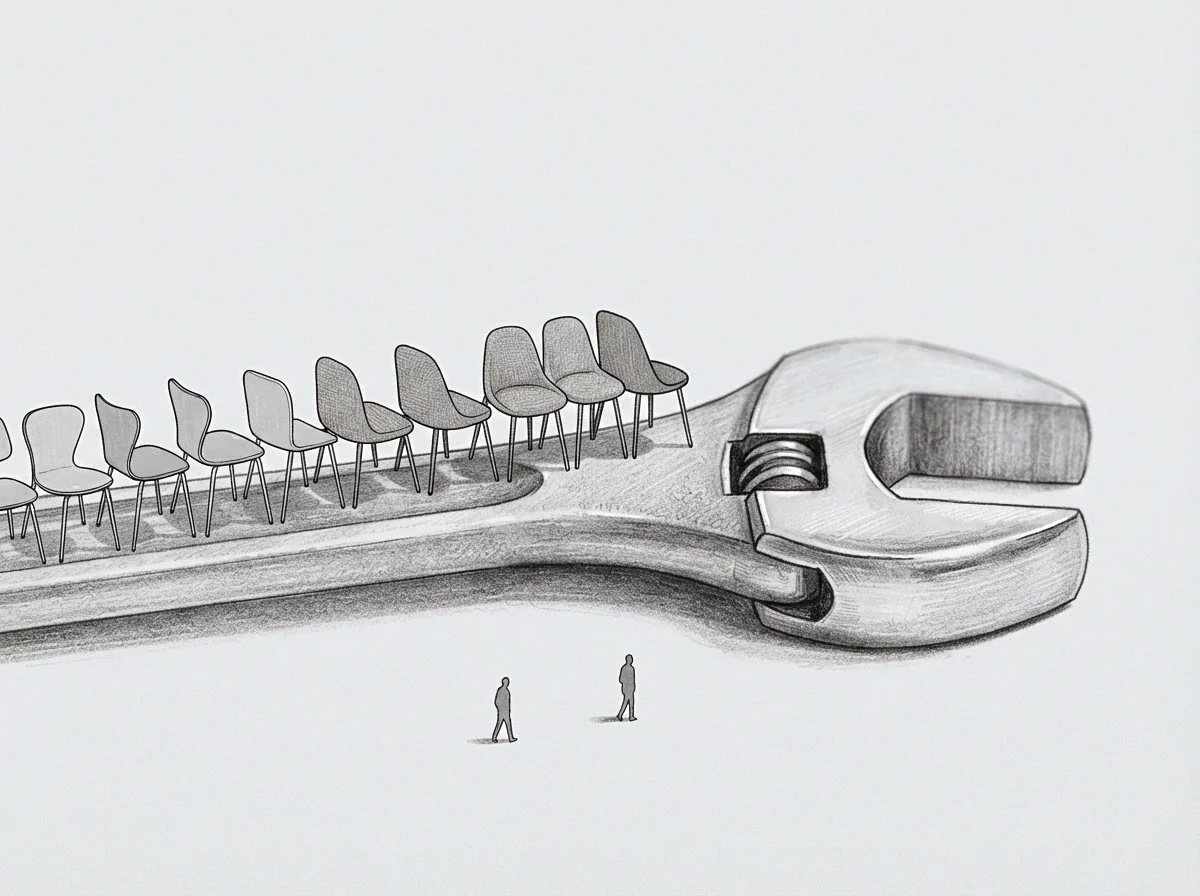
Discharge

Why Do Unwritten Executive Benefits Trigger Constructive Resignation Claims?
Unilateral revocation of established informal perquisites forces executives into structural resignation decisions. When an incoming acquirer abruptly cancels historical allowances, the executive faces a material breach of the understood employment bargain. Legal standards for constructive discharge demand proof that the employer intentionally created intolerable working conditions.
A substantial, permanent reduction in total real remuneration meets this threshold in numerous legal jurisdictions.
- Collate contemporary email correspondence, approval threads, and bank statements pre-dating transaction negotiations.
- Audit post-closing policy notices to isolate unilateral compensation alterations enacted by incoming leadership.
- Issue formal written notice detailing the exact financial reduction resulting from revoked perquisites prior to tendering resignation.
Timing determines legal viability. Resigning immediately upon perquisite modification preserves the argument that working conditions became intolerable. Delaying resignation for extended periods while continuing to accept reduced compensation creates an implied waiver of the breach.
The executive who remains in office while negotiating informal perk restoration risks validating the acquirer’s modified terms.
Unilateral revocation of material remuneration elements creates constructive termination liability when total real earnings decline significantly.
An explicit reservation-of-rights clause submitted during transition negotiations preserves historical perquisite claims without stalling ownership transfer execution.

Stance

Reconciliation Frameworks and Exit Resolution Protocols
Resolving conflicting executive records requires converting informal historical perquisites into definitive, documented financial terms. Acquirers seeking clean operational transitions often utilize targeted buyout structures. Quantifying the annualized net value of disputed perks allows buyers to offer temporary transition bonuses or lump-sum contract amendments.
This conversion eliminates constructive discharge exposure while transitioning the enterprise to standardized corporate governance standards.
Settlement agreements executed during ownership transitions must contain explicit releases of historical compensation claims. Clarification reduces legal friction. Settlement fixes final exposure.
Written agreements overwrite historical ambiguity. Resolving discrepancies early protects equity value for both acquirers and departing founders.
Converting informal executive benefits into formal cash equivalents prior to closing prevents constructive discharge disputes during post-acquisition integration.