
Clearance Mechanics for Open Source Baseline Code Dependencies and Defective Software Title Chains
Software title clearance requires verifying authorial rights and license compliance across baseline code dependencies to prevent copyleft contamination.
Provenance

Baseline Integration Mechanics and Intellectual Property Origination
Software development accelerates by incorporating existing code libraries, open source packages, and modular frameworks. The legal rights governing that software rely on an unbroken line of authorship from the initial contributor to the current release. A functional software assembly operates under two distinct realities: the computational execution of the code and the underlying chain of copyright ownership that grants the right to distribute it.
When an enterprise imports a third-party dependency into a core product repository, it imports both execution logic and contractual obligations. The physical presence of source code inside a repository creates an ungrounded presumption of clean operational title.
Authorial rights in software arise automatically upon the creation of original code in a tangible medium. When multiple engineers, external volunteers, or predecessor corporate entities contribute to a repository over several years, each author holds copyright in their specific contributions unless a formal agreement transfers those rights. A software asset build that functions cleanly in production can simultaneously carry a fragmented foundation of unassigned rights.
Baseline dependencies introduce external authors into the product architecture whose consent was never secured for downstream commercial exploitation.
Clean functional performance in production logic guarantees nothing about the legality of software distribution.
A software license grants permission to use, modify, or distribute copyrighted material under specified conditions. It does not transfer underlying copyright ownership. When a core baseline architecture relies on open source components, the entity distributing the combined work must satisfy every license condition attached to every sub-dependency.
Neglecting to review baseline package manifests creates a structural vulnerability where operational reliance outpaces legal clearance.
Distinguishing Dependency Execution from Title Chain Conveyance
Engineering workflows prioritize code performance, version compatibility, and security patch levels. Intellectual property clearance evaluates authorial identity, license compatibility, and transfer validity. These two tracks run parallel during active build cycles, yet they evaluate completely different metrics of codebase health.
| Evaluation Dimension | Operational Dependency Tracking | Title Chain Clearance Verification |
|---|---|---|
| Primary Objective | Ensures execution integrity, library compatibility, and system stability | Establishes complete ownership transfer and license compliance boundaries |
| Unit of Analysis | Compiled binaries, API contracts, package versions, and runtime performance | Contributor license agreements, commit author logs, and license terms |
| Defect Trigger | Deprecated syntax, runtime exception, memory leak, or security vulnerability | Missing developer signature, copyleft license leak, or unassigned copyright |
| Remediation Path | Version bump, syntax update, dependency swap, or internal patch release | Cleanroom code rewrite, copyright assignment, or retroactive license execution |
A failure in operational dependency management produces a build failure or application crash. A failure in title chain verification creates an exposure to injunctive claims, commercial distribution halts, and financial liabilities during corporate acquisitions. The technical success of a software package hides structural title defects until an external transaction triggers an intellectual property audit.
Every open source package carries a history of commits, pull requests, and merged code blocks. A baseline package published under an permissive license might incorporate pull requests from individual contributors who never signed a Contributor License Agreement or explicit copyright grant. If a contributor subsequently revokes permission or asserts copyright infringement, the downstream commercial application inheriting that dependency faces a compromised title chain.
The presence of an open source license file in a package root directory does not automatically cure underlying authorial defects in the repository history.
The insertion of the standard Apache License 2.0 or MIT License in a baseline project repository secures distribution rights only when every contributor to that baseline possessed the legal capacity to grant those rights at the moment of contribution.
Defect

Structural Failure Modes in Baseline Code Contamination
Flaws in software ownership chains propagate silently across dependency trees. When an engineering team integrates an external library, the system consumes every underlying sub-dependency transitively. Title contamination enters through four primary mechanisms across the software lifecycle.
- Copyleft License Leakage occurs when strong copyleft dependencies enter a proprietary baseline repository, triggering requirements to release the surrounding custom codebase under open source terms upon public distribution.
- Unassigned Contributor Copyright emerges when external contractors or individual open source authors push code without executing explicit assignment documentation or corporate contributor agreements.
- Dual Licensing Encumbrances arise when commercial package maintainers transition permissive baseline libraries to restrictive or proprietary licenses while existing product lines rely on older versions.
- Corporate Employment Overlap occurs when a developer writes contributions to an open source baseline package using employer resources, creating competing employer ownership claims over the published code.
A single uncleared pull request integrated into an upstream baseline project five years prior can compromise every downstream commercial distribution relying on that release. Title defects do not degrade over time; they persist in the code commit history until identified and excised.

Copyleft Contamination and Reciprocal License Exposure
Reciprocal licenses require downstream derivative works to share their source code under identical license terms upon distribution. Integration of a library governed by the GNU General Public License into a unified proprietary software binary creates a legally unified work under established copyright principles. The proprietary application becomes subject to the disclosure demands of the copyleft framework.
The boundary between a separate work and a derivative work turns on dynamic linking mechanisms, shared memory spaces, and language-specific invocation calls. Engineering choices made for execution speed can blur these legal boundaries. Dynamic linking to a copyleft library across a shared memory barrier creates legal friction, whereas static compilation directly into a single binary removes all ambiguity in favor of copyleft exposure.
Dynamic linking architecture choices written for runtime efficiency directly dictate intellectual property risk boundaries.
Corporate transactions examine these software boundaries during technical due diligence. An enterprise acquiring a software firm evaluates the baseline code manifest against copyright claims. Discovering copyleft contamination inside core proprietary algorithms forces price adjustments, escrow holds, or mandatory cleanroom rebuilds prior to deal execution.
The cost of addressing a software title contamination late in the corporate lifecycle exceeds the cost of early package clearance by orders of magnitude, requiring emergency engineering hours and legal settlements.
Wall

What ruptures the legal chain of custody?
Isolating proprietary software from copyleft exposure requires strict legal and structural barriers. Systems architects design isolation perimeters using separate processes, network API boundaries, and clearroom interface protocols. These barriers prevent the legal status of an external dependency from infecting the adjacent custom logic.
A microservices architecture linked purely through standard HTTP REST interfaces or remote procedure calls maintains distinct legal boundaries between software components. Executing a open source utility as a separate system process with clear argument passing avoids creating a single unified derivative work. Coupling mechanisms that rely on high-frequency shared memory, direct memory offsets, or unified address spaces break down these legal defenses.
The introduction of cleanroom reconstruction serves as the definitive remediation when clean title cannot be established for a critical component. The cleanroom operation splits engineering responsibilities into two strictly segregated groups.
The first group analyzes the defective legacy component, documents its functional inputs, expected outputs, edge cases, and performance specifications, and publishes a complete functional specification file. This group never writes new production code. The second group receives the functional specification file, works inside an isolated environment without access to the original legacy code, and builds a replacement component entirely from scratch.
This separation ensures the replacement code contains no original copyrightable expression from the contaminated source.
Cleanroom environments rely on absolute physical and digital logging. Every communication between the specification team and the implementation team passes through an intellectual property compliance coordinator who audits message content for accidental expression leaks. The resulting code repository presents a verified, pristine title chain built strictly on new authorial rights.
The structural perimeter holds only while engineering teams enforce isolation protocols without introducing shortcut communication paths across the service boundaries.

Trace

Auditing Dependencies and Building Verifiable Software Title Records
Establishing clean title across a modern application requires systematic inspection of every imported code block. Modern build tools pull hundreds of transitive dependencies during compilation. A comprehensive clearance process combines automated static analysis with historical commit inspection.
Generating a Software Bill of Materials forms the foundational requirement for modern software compliance. The inventory identifies every baseline package, its exact version, author details, repository origin, and explicit license classification.
- Run automated dependency scanning engines during continuous integration cycles to capture every direct and indirect library import.
- Compare package license declarations against corporate compliance policies to flag prohibited license types instantly.
- Extract author metadata and commit history for custom or non-standard packages to verify contributor license agreement coverage.
- Archive source code archives and original license files for every baseline dependency version used in published builds.
- Document internal isolation architecture decisions to prove legal separation between proprietary modules and open source packages.
Automated license scanners evaluate text files found inside package tarballs. These tools search for standard license headers and text blocks. Advanced clearance mechanics look deeper, inspecting commit histories for missing author sign-offs, modified license texts, and dual-license declarations that alter terms based on commercial usage thresholds.
Automated manifest scanners identify surface license assertions while deep title clearance requires inspecting historical author logs.
A software entity selling a proprietary platform must be prepared to hand over complete clearance documentation to an enterprise buyer during structural due diligence.
The engineering team insisted the third-party package was permissively licensed because the repository contained an MIT license file, ignoring the fact that twenty core algorithms were pulled directly from a GPL-licensed academic project.

Warrant
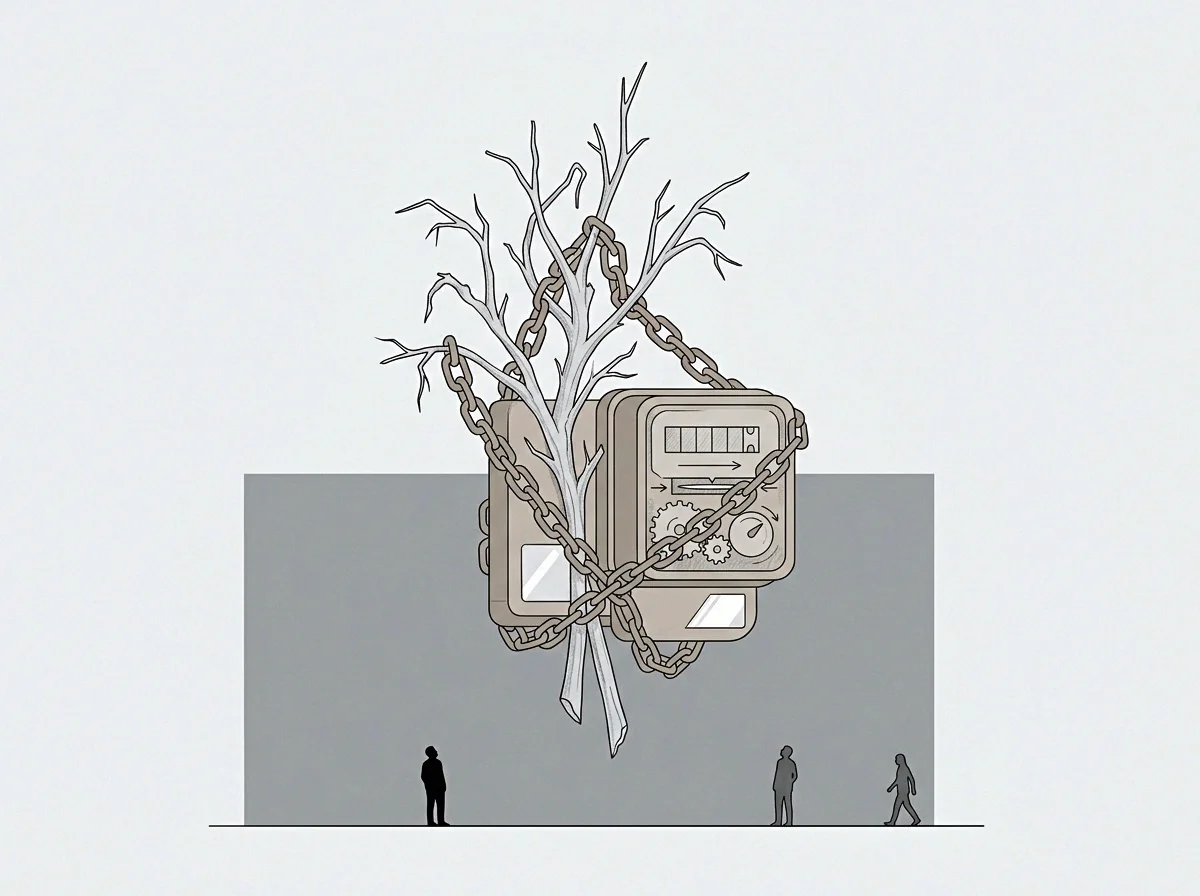
Title Warranties, Indemnification Boundaries, and Transactional Risk Transfer
Commercial software agreements shift intellectual property risks between buyers, sellers, and licensing partners. Software purchase agreements, enterprise subscription contracts, and merger terms contain explicit representations and warranties regarding software ownership. A standard seller warranty asserts that the software asset was developed in-house, carries clean legal title, and infringes no third-party intellectual property rights.
When baseline open source dependencies contain title defects, the entity making those representations faces breach of contract claims. Buyers demand indemnification clauses that require sellers to hold them harmless against copyright infringement lawsuits brought by third-party open source maintainers or contributor groups.
Sellers attempt to limit liability by adding knowledge qualifiers, capping indemnification obligations to historic contract values, or excluding baseline open source dependencies from the scope of custom software warranties. Negotiating these risk allocation terms depends entirely on the quality of the seller’s clearance records.
A seller possessing a fully documented Software Bill of Materials and cleanroom audit logs can resist aggressive indemnity demands. A seller with unverified baseline dependencies must accept lower valuations, significant deal escrows, or broad indemnification liabilities to close the transaction.
Software title integrity rests on documented evidence of authorship rather than unexamined assumptions about imported package manifests.