
Evidentiary Value Of Digital Communications In Early Founder Disputes
Contemporaneous digital communications provide immutable chronological evidence of mutual assent, superseding reconstructed recollections in founder equity disputes.

Log

Contemporaneous Records Against Reconstructed Recollection
Memory reshapes past conversations to match current interests. A digital record preserves the exact wording, timestamp, and context of an exchange regardless of later disputes. In early company formation, informal chat logs, commit messages, collaborative document edits, and email threads form the primary record.
Founders often work for months or years on verbal understandings, casual notes, and quick messages before signing formal contracts. When conflicts arise over equity, intellectual property, or roles, parties routinely recall the original bargain differently.
Courts and arbitrators view casual messages as admissions, evidence of mutual assent, or proof of how parties actually operated. An offhand comment in a chat channel frequently undermines a formal legal claim made years down the line. Treating digital chat as temporary speech creates real exposure when informal exchanges carry permanent legal weight.
A contemporaneous electronic timestamp overrides years of subsequent narrative reconstruction.
Several attributes determine how much weight informal messages carry in legal scrutiny:
- Cryptographic integrity confirms that the transmission originated from a specific account without post-hoc modification.
- Chronological sequencing establishes the exact progression of proposals, rejections, and conditional statements during equity discussions.
- Contextual continuity demonstrates whether a casual agreement formed part of a binding transaction or remained an exploratory dialogue.
- Third-party verification relies on external server timestamps to disprove altered local message exports.
A casual medium does not weaken the binding nature of clear mutual assent.
Arguments that early channel discussions were merely exploratory brainstorming prior to incorporation rarely survive clear written records of agreement.

Assent

Which Informal Messages Establish Binding Equity Commitments?
Contract formation requires an offer, acceptance, consideration, and sufficient certainty of material terms. Courts and arbitrators examine the complete digital trail to determine when informal exchanges moved from negotiation into a binding preliminary agreement. A brief affirmative reply to an itemized ownership proposal creates exposure, even over mobile messaging applications.
Disputes often center on whether short digital confirmations represent binding promises or informal goodwill. The legal standard assesses objective intent rather than unstated private reservations. When one founder proposes a concrete ownership percentage and the recipient confirms agreement in writing, the burden shifts to the party trying to disavow the written exchange.
Unstated terms do not automatically invalidate an agreement reached on core terms. Courts distinguish essential deal terms from administrative mechanics. If the record reflects agreement on equity allocation and primary responsibilities, tribunals often treat deferred details as subsidiary matters.
Unexpressed subjective intent carries zero evidentiary weight against explicit written concurrence.
Ambiguity in informal chats creates wide variation in outcomes. If a founder notes a percentage in a messaging application alongside conditions that remain unfulfilled, the communication shows conditional intent rather than a closed contract. Dispute resolution forums parse the exact phrasing of adjacent messages to determine whether binding conditions existed.
A party holding a clear digital promise enters a dispute with a immediate evidentiary advantage over one relying on unrecorded conversations.

Clock

Chronology And The Erosion Of Retroactive Positions
Digital records establish an immutable chronological baseline. In ownership disputes, parties frequently attempt to reconstruct historical milestones to support equitable claims like promissory estoppel or unjust enrichment. Electronic logs expose discrepancies between actual contribution timelines and retrospective litigation narratives.
Software repository commits, shared drive version histories, calendar invites, and communication timestamps build a verifiable map of work performed. If a claimant asserts continuous full-time work from company inception, repository metadata showing six months of inactivity refutes that testimony. Platform metrics override subjective witness statements.
The evidentiary weight of digital records varies significantly across platforms and storage mechanisms.
| Communication Channel | Evidentiary Strength | Metadata Availability | Primary Vulnerability |
|---|---|---|---|
| Corporate Electronic Mail | High | Comprehensive server headers and routing logs | Selective forwarding or omitted thread replies |
| Ephemeral Messaging Apps | Low to Moderate | Minimal or device-dependent local storage | Automated deletion policies destroying context |
| Collaborative Workspaces | High | Granular edit histories and user-specific timestamps | Administrative permission changes altering access records |
| Software Version Repositories | Very High | Cryptographic commit hashes and author timestamps | Author attribution spoofing without signed keys |
Preserving raw message formats with full header metadata remains essential for establishing authenticity. Screenshots and forwarded transcripts lack cryptographic defensibility and face rigorous authentication challenges under evidence rules. Forensic platform exports narrow the dispute to questions of interpretation rather than authenticity.
The chronological sequence of operational commits directly settles disputes over intellectual property contribution dates.
Standard integration clauses in subsequent formal agreements explicitly supersede and extinguish prior digital conversations regarding equity allocations.
Exposure

The Allocation Of Dispute Costs Under Unstructured Records
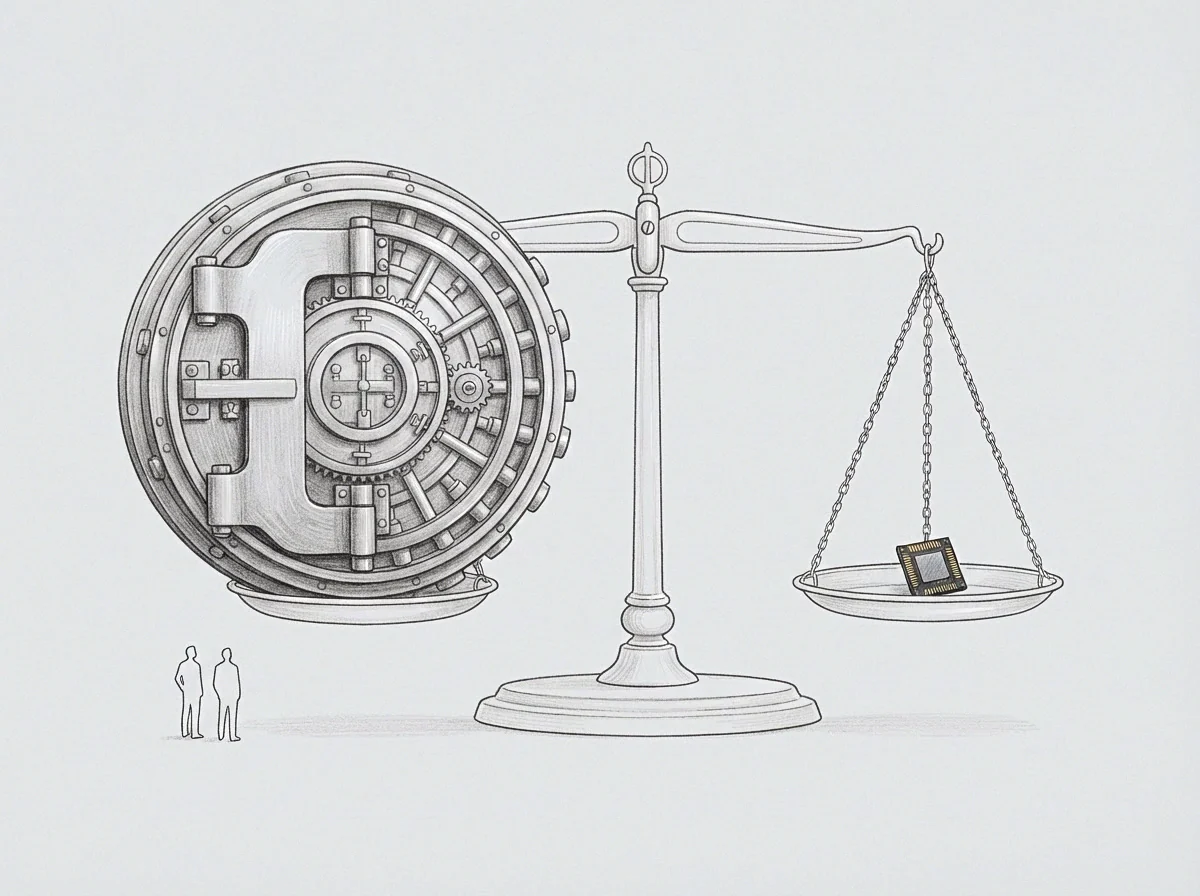
Unstructured messaging creates asymmetric financial and operational risk during early company growth. As venture funding or acquisition events approach, unaddressed promises documented in informal messages become major liabilities. An aggrieved contributor holding casual digital promises can cloud company title, delaying capital transactions and forcing unfavorable settlement terms.
The cost of resolving ambiguous digital commitments falls heavily on the operating entity. Legal counsel must perform extensive electronic discovery across personal devices, messaging platforms, and cloud services to evaluate exposure. Ambiguous messages that could have been clarified with a formal memorandum generate tens of thousands of dollars in forensic analysis fees.
Informal communication channels foster a false sense of casualness while generating permanent legal records. Founders who treat digital messaging like spoken conversation generate discoverable admissions that undermine corporate governance. The absence of executed, definitive vesting agreements forces reliance on fragmented chat transcripts, converting operational momentum into prolonged litigation.
Failing to execute formal contracts early leaves the enterprise vulnerable to extraction demands backed by casual digital admissions.