
Managing Unrecorded Cap Table Claims During Enterprise Mergers And Acquisitions
Enterprise acquisitions require target boards to extinguish unrecorded cap table claims using explicit release agreements or seller-funded escrow holdbacks.

Room
An enterprise transaction brings past conversations into public view. The definitive acquisition agreement requires a complete representation that the capitalization table reflects every issued share, option, warrant, and convertible instrument. During disclosure, former participants spot public filings or news reports and present unrecorded equity claims.
An early technical collaborator forwards an email thread from four years prior; an advisory board member produces a signed memorandum promising a half percentage point of fully diluted stock. Limited time before closing leaves little room for extended negotiation, forcing the target board to settle unbacked claims immediately.

Surfacing Undocumented Commitments Before Closing
Corporate acquisitions turn informal equity promises into direct cash claims. Once an enterprise acquirer sets a firm valuation, recipients reconsider past commitments. The target board receives demand letters claiming historical co-founder status, unexercised options, or promised equity grants.
Acquirers treat these assertions as title defects in company equity, and transaction counsel halts closing procedures until the capitalization table is verified and fully closed.
Early founders often offer verbal equity promises to retain key personnel before institutional capital arrives. These informal arrangements rarely appear in formal board minutes or capitalization management software. Once a company valuation becomes real, recipients treat those promises as enforceable property rights.
This mismatch between informal commitments and legal cap table records causes significant friction during pre-closing diligence.
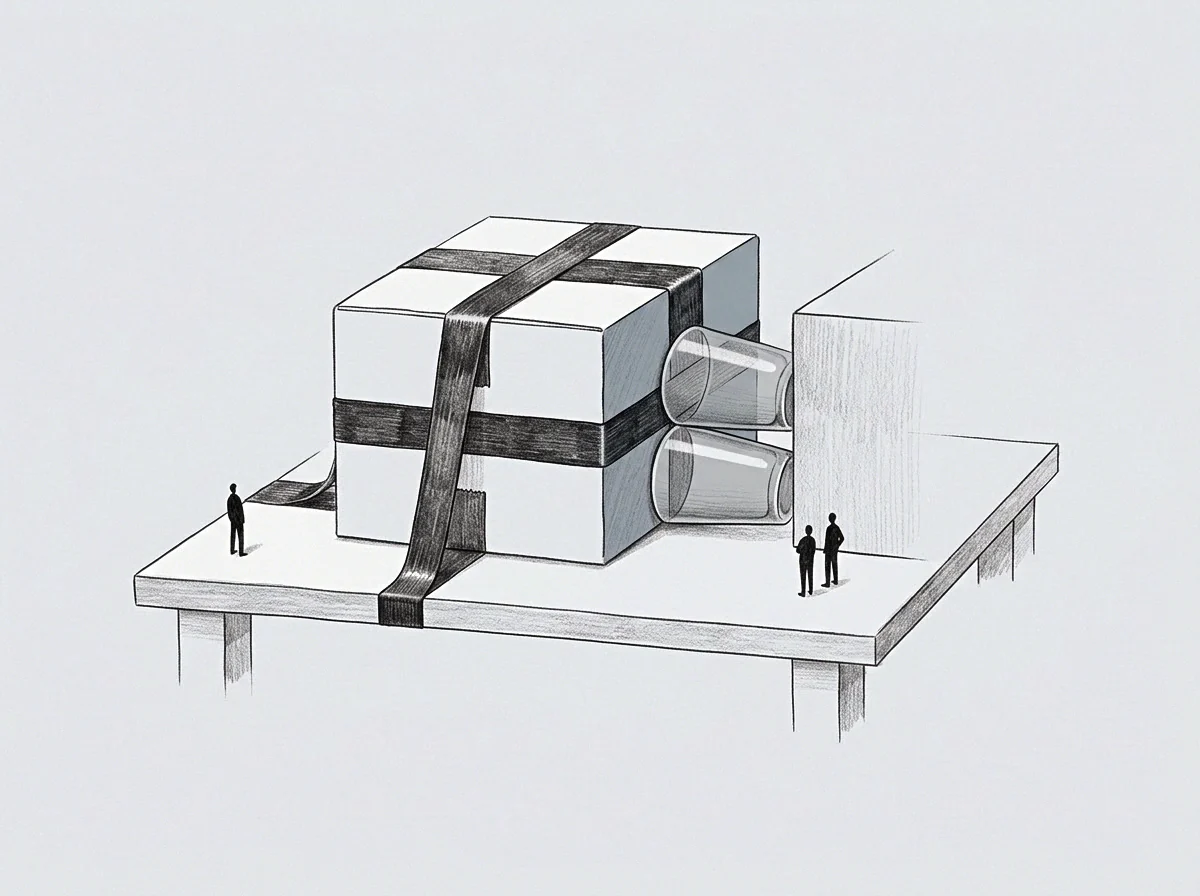
The Disclosure Schedule as an Evidentiary Sieve
Selling shareholders warrant under penalty of contractual indemnity that no outstanding rights to acquire company stock exist. Uncovering an unrecorded claim after signing the purchase agreement creates an immediate breach of representations, as acquirers require clean title across all capital.
An unrecorded equity claim surfaces the moment an enterprise acquisition releases its initial valuation parameters.
In a three-hundred-million-dollar acquisition of an enterprise software firm, a former engineering lead who departed three years prior asserts an entitlement to two percent of fully diluted equity based on an early memorandum of understanding. The cap table shows no grant because the initial board resolution was never formally signed. The acquirer identifies this gap during legal diligence and requires resolution before closing.
The target board has two options: contest the claim using corporate records or negotiate a cash settlement funded by selling shareholders. If the board chooses to litigate, the buyer demands a special indemnity escrow double the claimed value, reducing immediate closing cash for all shareholders. If the board settles, the payment comes directly out of founder proceeds.
Claimants often argue that early contributions created the enterprise value being monetized, so the share allocation should exist independent of formal corporate paper.

Origin
Unrecorded equity commitments stem from early funding stages when speed takes precedence over governance. Early-stage teams rely on informal arrangements to hire critical personnel without spending cash. Founders send email promises, sign unvetted advisory templates, or verbally offer equity top-ups during key hires.
These commitments accumulate as off-balance-sheet liabilities that sit dormant until an acquisition forces an accounting.

Informal Governance and the Phantom Allocation
Early equity discussions rarely define vesting schedules, exercise prices, or termination terms, leading founders to confuse intentions with completed grants. A valid stock grant requires board approval, consideration, and formal documentation. Without these steps, equity promises remain unenforceable statements of intent, existing only in email archives while official balance sheets record only paid-in capital.
Unbacked promises generate structural confusion as enterprise valuations rise. Claimants rely on informal correspondence to assert ownership, whereas buyers demand strict compliance with formal stock registers.

Can Board Minutes Defeat a Prior Verbal Promise?
Corporate law grants primary authority to official board resolutions and signed issuance agreements. An unrecorded verbal promise by an officer cannot bind the company when corporate governance reserves equity issuance exclusively to the board. Informal evidence cannot override unambiguous corporate filings, so documented board minutes take legal precedence over unfiled correspondence.
| Claim Type | Evidentiary Basis | Acquirer Risk Profile | Standard Settlement Mechanism |
|---|---|---|---|
| Verbal Founder Promise | Email threads, text messages, oral statements | Moderate litigation threat, zero stock register backing | Cash release agreement funded from seller proceeds |
| Unsigned Advisory SAFE | Draft agreements, wire receipts without signatures | High title uncertainty, potential dilution breach | Formal ratification or full cash repayment with interest |
| Ambiguous Service Agreement | Consulting contracts referencing equity grants | Low legal risk, high deal delay friction | Pre-closing quitclaim execution and general release |
| Unfiled Option Promise | Offer letters without board grant approval | Moderate corporate defect, easily quantified | Substituted cash bonus at transaction close |
Evidentiary strength determines how much friction a claim creates. Acquirers evaluate each claim category to decide whether it requires special escrow deductions or straightforward quitclaim documentation. Unrecorded claims backed only by oral statements may be legally weak, but they still cause notable delays during pre-closing filings.
A verbal share allocation loses enforceability when corporate records demonstrate subsequent formal equity grants accepted without written reservation.
The target board must categorize every off-ledger assertion as soon as it surfaces. Leaving claims unresolved disrupts purchase price allocations and exposes selling shareholders to post-closing recovery actions.
Failing to audit early advisor correspondence shifts unquantified seller liabilities directly into post-closing escrow litigation.

Disproof
Invalidating an unbacked cap table claim depends on establishing clear legal defenses under contract and corporate law. Selling shareholders need to show a clean separation between informal assertions and the official equity register. Buyers require concrete proof that historical claimants hold no surviving rights to purchase, convert, or receive stock.

Legal Defenses against Unregistered Equity Demands
Several key legal defenses eliminate unrecorded equity commitments during an acquisition:
- Integration Clause Supremacy: Executed contracts containing explicit merger clauses render prior oral arrangements and preliminary negotiations void.
- Statutory Limitation Periods: Breach of contract claims regarding equity entitlements face statutory time bars if claimants fail to file within prescribed windows.
- Equitable Estoppel Bars: Claimants who remained silent during subsequent funding rounds forfeit the right to assert ownership when an acquisition is announced.
- Board Authorization Defect: Bylaws requiring formal board approval invalidate unauthorized promises made by individual officers.
These protections allow target companies to counter informal demands. An executed employment or consulting agreement lacking equity terms provides strong evidence that no stock entitlement was granted.

Indemnification Structures and Special Escrow Holdbacks
When a claimant threatens litigation during deal negotiations, acquirers introduce risk-shifting mechanisms. The buyer requires selling equity holders to execute indemnification terms covering all costs, legal fees, and potential judgments stemming from the unrecorded claim.
An explicit merger integration clause supersedes prior equity correspondence unless the seller recorded the obligation on the official cap table.
The transaction structure isolates the buyer from past equity liabilities by placing financial responsibility directly on selling founders. Dedicated escrow accounts hold target funds in reserve until the claimant signs a full liability release or court action resolves the matter.
A broad transaction release clause shifts the financial risk of disputed equity entirely onto the selling shareholders.

Escrow
Escrow arrangements shield enterprise buyers from post-closing capitalization disputes. If an unrecorded claim remains open when signing the definitive agreement, the deal structure shifts to isolate economic risk. Buyers hold back consideration from the primary distribution pool, creating reserve funds to protect against title defects.

Quantifying Financial Risks in Purchase Price Allocations
Target boards quantify unbacked equity claims by calculating the maximum fully diluted payout a claimant could legally secure, setting the holdback amount based on this worst-case exposure.
Selling shareholders bear the opportunity cost of held-back funds throughout the dispute. Reserved capital remains locked until parties sign a formal settlement or reach legal adjudication.

Representation and Warranty Insurance Coverage Exclusions
Representation and warranty insurance policies routinely exclude known equity disputes from coverage. Underwriters inspect cap tables and diligence schedules for unrecorded commitments, adding specific exclusions to the policy as soon as an off-ledger claim surfaces.
Special escrow holdbacks for cap table disputes remain active until the statutory limitation window for contract claims expires.
- The buyer identifies an unverified equity claim during pre-closing diligence.
- Independent legal counsel evaluates documentary evidence and calculates maximum monetary exposure.
- Selling shareholders agree to deduct double the calculated exposure from initial closing proceeds.
- The acquirer places the withheld funds into a segregated escrow account managed by a neutral agent.
- Target representatives negotiate a final cash settlement or defend against formal court proceedings.
This sequence allows the deal to proceed while maintaining buyer protections, placing the financial burden entirely on the historical equity owners who allowed unrecorded claims to accumulate.
Settling cap table claims before executing the definitive agreement prevents buyer indemnity deductions from reducing closing consideration.

Discharge
Permanently resolving unrecorded cap table claims requires formal quitclaim deeds and explicit release agreements. Enterprise mergers demand clear legal certainty that past participants hold no future recourse against the buyer or the target company. The discharge process systematically gathers written releases from anyone who ever held or negotiated for company equity.

Structuring Formal Quitclaim and Release Agreements
A quitclaim agreement operates as a complete legal waiver. The signee waives all past, present, and future rights, options, warrants, or equity claims in the business. In exchange for executing broad releases covering contract, tort, and statutory claims, the target company typically provides a fixed payment or a small fraction of the disputed value.
Target boards use option cleanup programs to standardize release collection across former employees and contractors, clearing ambiguity from the stock register.

Finality Mechanisms in Enterprise Asset Transfers
The goal of capitalization management is clean equity transfer. Acquirers insist that every individual listed in early corporate filings, offer letters, or advisory rosters executes a formal discharge document before deal funds are released. Gathering these written releases cures title defects and verifies that the capitalization table accurately reflects company ownership.
Once selling equity holders warrant the absolute accuracy of the share register, any residual risk absorbs into the general indemnity pool.