
Converting Visceral Risk Signals into Documented Commercial Terms
Translating visceral risk signals into documented terms converts subjective physiological warnings into binding contractual liability protections.
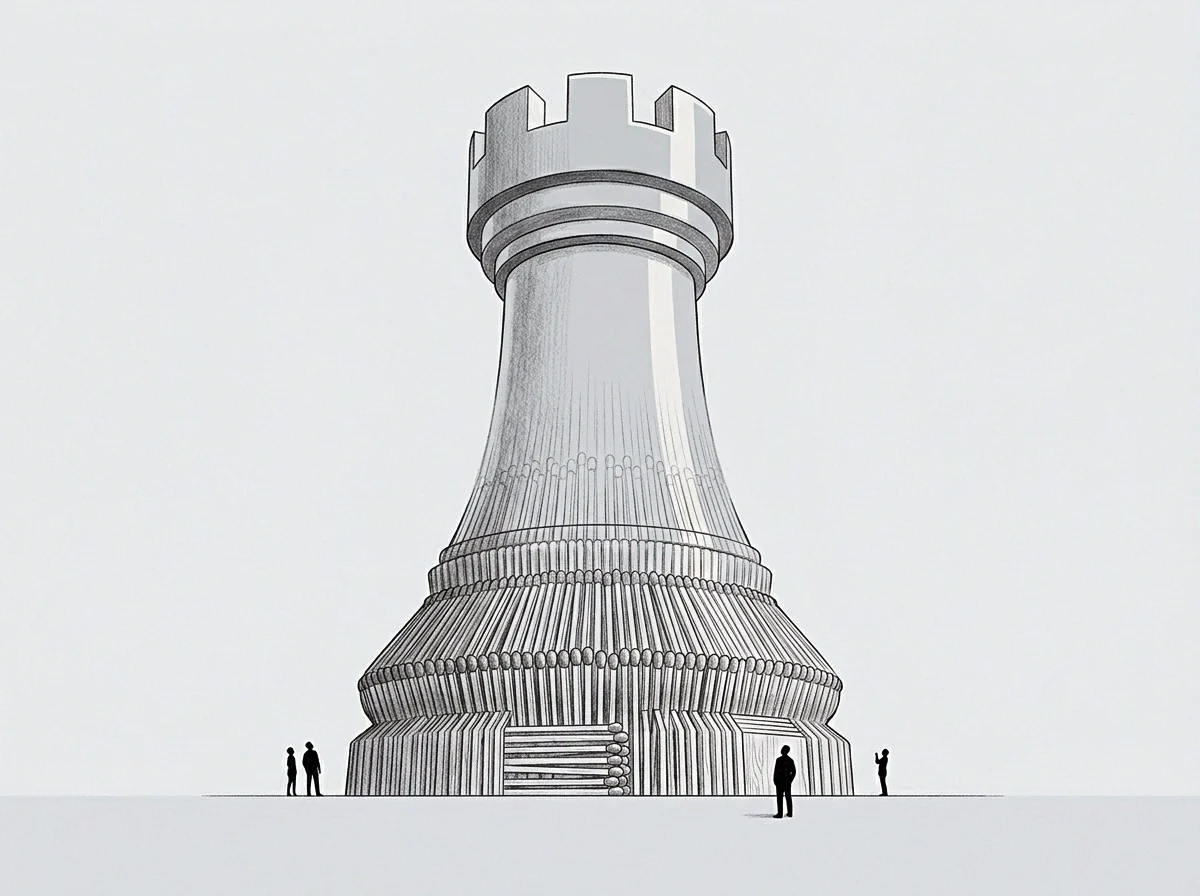
Signal
A founder feels a tight tension in the chest while discussing warranty periods, but signs the standard language anyway. Months later, when product failures spike under unexpected workloads, that ignored reaction resurfaces as a real operational deficit. Autonomic neural pathways register discrepancies between spoken promises and actual operational capacity well before conscious thought translates them into commercial terms.
Physical hesitation during a negotiation stems from pattern recognition. The body notices micro-expressions, shifts in pacing, vague delivery targets, and evasive answers long before the mind drafts an exception clause. Left unwritten, these physical warnings give way under social pressure and the urgency to close.
A visceral reaction during negotiation identifies an unallocated exposure before the analytical vocabulary develops to describe it.
Turning these immediate physical alerts into contractual protection requires moving quickly from sensation to written notes. The founder pauses the conversation, pinpoints the clause prompting the reaction, and spells out the specific operational hazard causing the tension.
The gut points to exposure; the written instrument limits liability.
Room
The physical setting of a closing discussion exerts strong pressure to comply. Air-conditioned conference rooms and scheduled signing deadlines create an artificial urgency that penalizes hesitation. When a counterparty insists on broad indemnity terms, the physiological instinct to resist often yields to social harmony.

Social Pressure and Contractual Drift
Negotiators routinely use pacing and physical presence to bypass analytical scrutiny. Memory quickly alters the recollection of what transpired in those rooms, rewriting discomfort as mere fatigue. Two participants leaving the same room carry divergent memories of the commitments made verbally across the table.
| Perceptual Stage | Operational Trigger | Evidentiary Vulnerability | Contractual Remedy |
|---|---|---|---|
| Visceral Warning | Counterparty evades specific performance questions | Memory softens the evasion within days | Explicit service level benchmarks |
| Social Compliance | Room pressure to finalize agreement terms | Verbal assurances vanish in subsequent disputes | Integration clause excluding verbal side promises |
| Documented Clause | Drafted liability ceiling and defined breach cure periods | Written record remains fixed against drift | Definitive allocation of financial exposure |
Disputes crop up when parties depend on goodwill rather than explicit definitions. Without written terms, each side constructs a self-serving account of past conversations. The room forgets the exact verbal assurances within forty-eight hours.
Later, the counterparty will claim everyone understood the discussion as an informal goal rather than an operational requirement.
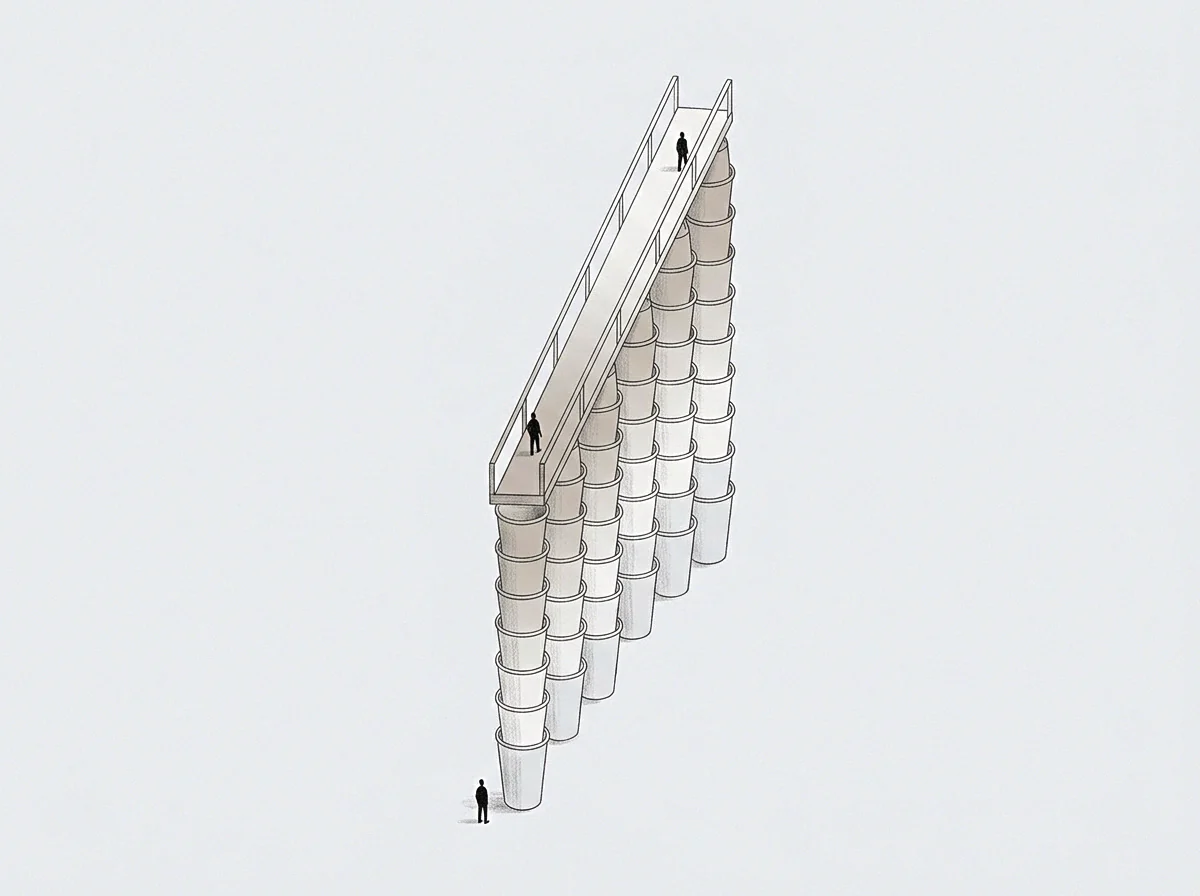
Translation
Turning a vague physical warning into commercial mechanics requires categorizing the specific operational threat. A founder who senses evasiveness regarding delivery timelines faces a potential capacity shortfall that demands concrete operational metrics.
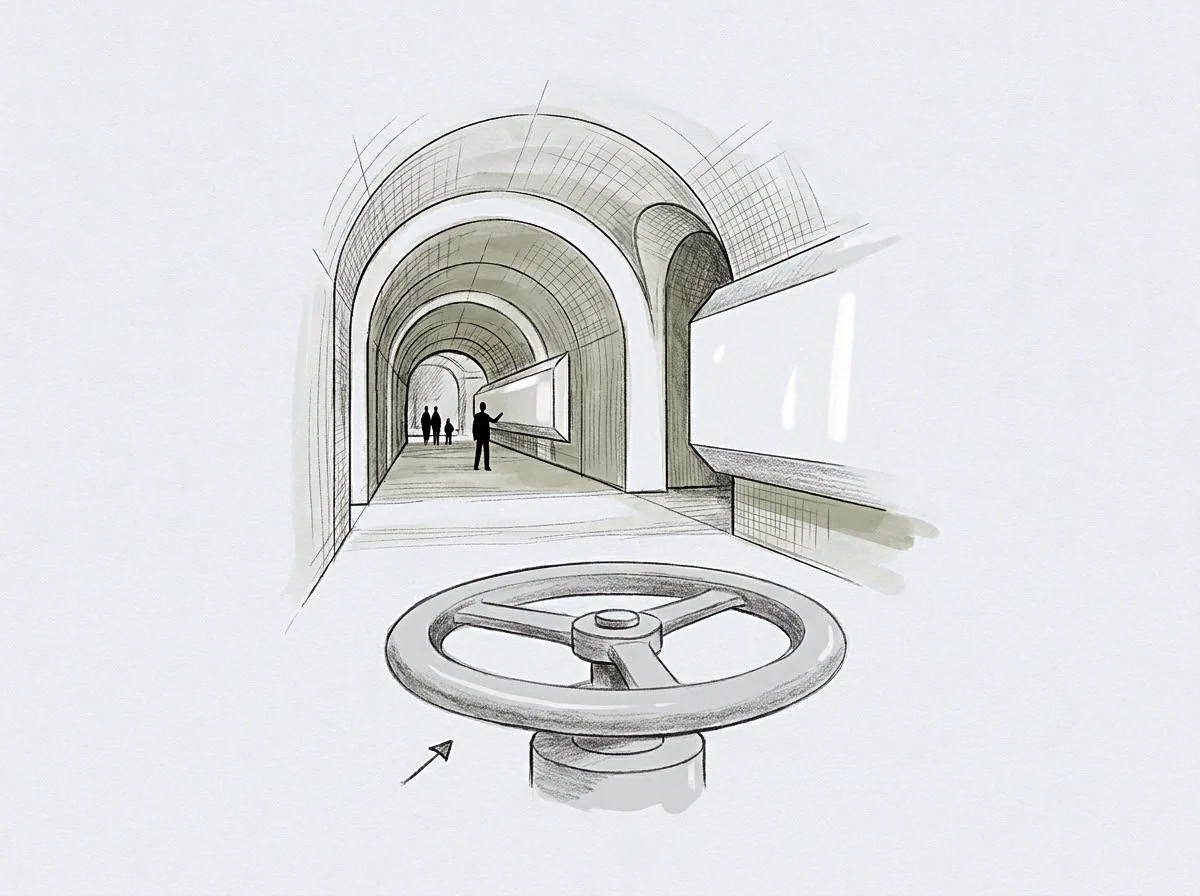
Where Bodily Unease Identifies Unallocated Liability?
Bodily unease points to distinct failure categories across operational, financial, and regulatory boundaries. When an internal alert sounds during commercial discussions, the person in the seat converts that signal into bounded contractual provisions:
- Liquidated damages provisions establish defined financial remedies for missed delivery windows, converting a vague dread of delay into quantifiable per-diem operational offsets.
- Audit verification clauses grant direct access to operational records, addressing uncertainty surrounding unverified technical claims through documented operational inspection rights.
- Conditional escrow releases tie capital disbursements directly to verified functional milestones, eliminating exposure caused by ungrounded counterparty optimism.
- Termination triggers grant unilateral contract exit pathways upon the occurrence of specific operational failures, bounding total organizational exposure.
Commercial risk unassigned in the contract remains an expense absorbed entirely by the vulnerable party.
Drafting these terms prevents subjective interpretations during operational stress. An explicit clause sets operational boundaries that survive personnel turnover and memory decay.
Inserting a thirty-day cure period tied to definitive performance metrics converts emotional suspicion into an objective operational gauge.

Draft
The written draft serves as an immutable artifact. During contract drafting, vague intuitive reservations must take the shape of precise definitions, representations, and warranties. Once executed, the written text supersedes all prior understandings and emotional impressions.
Cognitive studies demonstrate that personal recollection of oral agreements shifts systematically toward perceived fairness over time. The dated text resists this natural drift. A founder who captures visceral doubts in written revisions protects the enterprise against subsequent litigation.
A contract protects both parties against the selective erosion of their own memories.
Drafting commercial provisions requires sustained effort and disciplined attention. Neglecting to translate bodily risk detection into definitive terms leaves the business exposed to catastrophic operational liabilities when unaddressed hazards materialize into actual losses.

Anchor
A dated document anchors organizational memory. When an operational breakdown occurs two years into an arrangement, the parties turn to the signed text rather than their shifting recollections of initial goodwill. The physical paper or immutable digital file settles what months of circular debate cannot resolve.
Keeping precise commercial records requires an upfront investment of time and legal fees. Paying that cost at the negotiating table avoids carrying continuous operational friction during later disputes. The written term outlasts the emotional memory of the negotiation.
How far an organization can systematize the capture of pre-verbal risk indicators across expanding operational teams remains an open inquiry for growing commercial enterprises.