
Digital Artifact Admissibility Under Contractual Integration Clauses
Contractual integration clauses exclude pre-signing digital artifacts unless specific evidentiary exceptions apply or external repositories are incorporated directly.
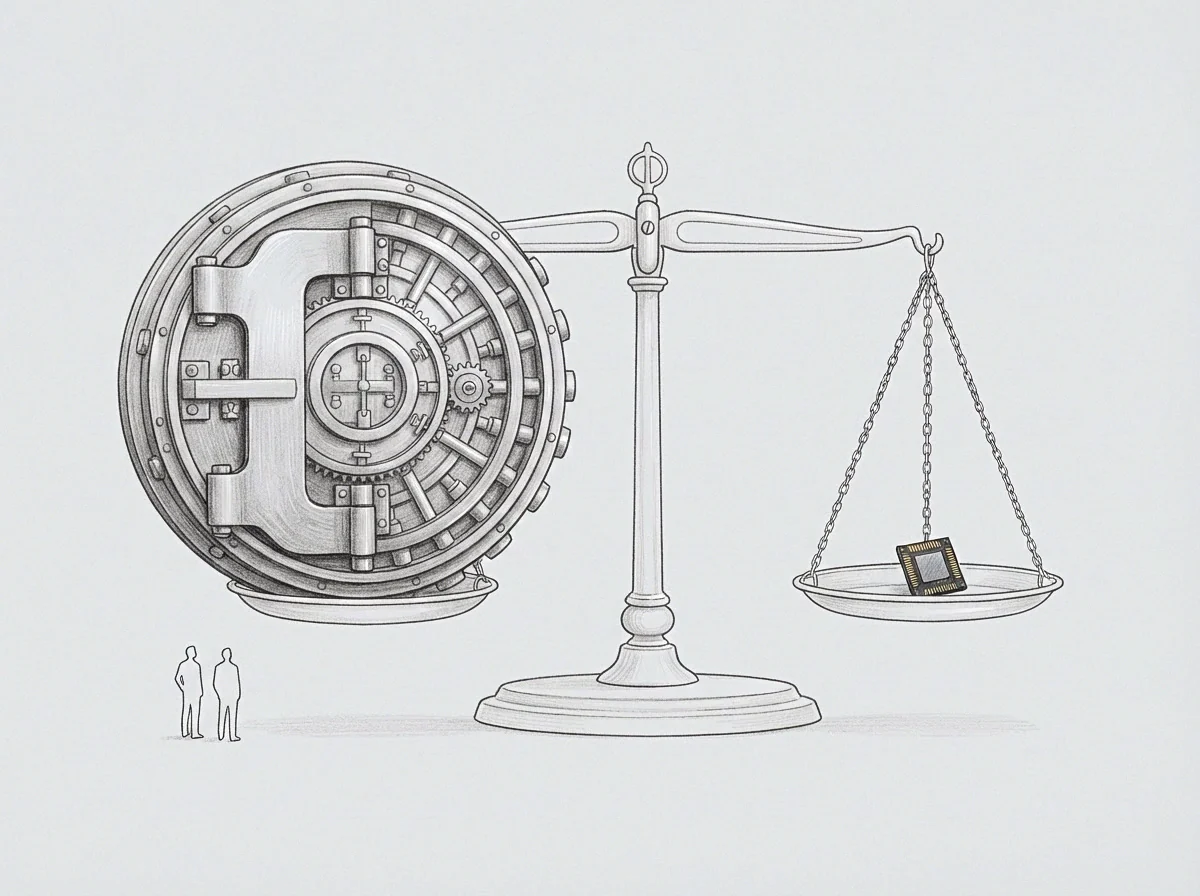
Merger
Two operators complete a commercial software transaction after four months of shared channel messaging, email threads, and repository issues detailing specific performance parameters. The finalized agreement contains a standard merger clause stating that the written document represents the complete and exclusive expression of the arrangement. When system latency subsequently breaches the parameters discussed in the chat records, the operating team points to the archived messages.
The legal team points to the integration clause.
Memory drifts over time. Written terms fix obligations. Contractual integration clauses enforce this boundary by restricting tribunals from considering pre-contractual communications to alter, contradict, or supplement an integrated writing.
Under the four-corners doctrine, courts assume that parties who reduce their agreement to an integrated writing intentionally omit terms left out of the final instrument.
The distinction between complete integration and partial integration governs initial evidentiary access. Complete integration indicates that the writing reflects the entire understanding across all terms, triggering a absolute bar against parol evidence. Partial integration indicates that the writing represents a final expression on specific terms while leaving others unintegrated, allowing consistent additional terms into evidence.
Electronic mail archives and messaging logs created prior to signing fall squarely under this parol evidence barrier when contracts specify full integration.
An integrated written agreement converts months of pre-signing digital discussions into legally unenforceable background noise.
System logs record operational state. Execution dates terminate prior negotiations. When parties sign a contract carrying an explicit merger provision, informal pre-signing representations regarding technical performance, delivery schedules, or support response times lose legal status unless incorporated directly into the contract schedules.
Failing to convert pre-contractual technical commitments into formal contract schedules strips those digital logs of operational enforceability the moment signatures attach.

Desk
The parol evidence rule governs when external evidence may supplement or contradict a written agreement. While an integration clause creates a strong presumption of completeness, specific legal exceptions permit parties to introduce digital artifacts during commercial disputes.
Courts examine digital records under recognized exception categories that bypass standard integration bars.
- Ambiguity Resolution Textual uncertainty within contract clauses permits tribunal review of prior electronic mail to clarify ambiguous terms without modifying explicit obligations.
- Fraud in the Inducement Digital artifacts showing deliberate misrepresentation prior to signing bypass integration shields to demonstrate fraudulent contract formation.
- Condition Precedent Electronic messages proving an unfulfilled threshold condition before contract effectiveness remain admissible to contest whether obligations ever attached.
- Trade Usage and Custom Systemic logs demonstrating standard operational definitions across an industry clarify specialized technical terms retained within integrated contracts.
- Post-Formation Modification Written communications created after contract execution fall entirely outside parol evidence restrictions regardless of integration clauses.
Partial integration permits additions. Silence validates the written text. The timing of an electronic communication dictates its procedural treatment.
Pre-signing electronic records encounter severe evidentiary barriers under integration language, whereas post-signing digital exchanges reflect subsequent contract performance or modification.
Digital records created after execution bypass parol evidence barriers whenever post-formation conduct demonstrates mutual assent to modified terms.
Evidentiary disputes often turn on whether an email thread reflects pre-contractual negotiation or post-signing operational modification. When parties maintain ongoing technical exchanges that adjust delivery standards, written modification protocols defined within the original contract control whether those digital records bind the counterparty.
An express integration clause specifying that prior electronic communications are void strips pre-signing Slack archives of all interpretation authority.

Exclusion
Commercial disputes frequently center on which digital artifacts courts permit into evidence when a signed agreement contains standard integration language. The legal system evaluates each digital file type through distinct evidentiary filters based on creation date, storage medium, and contract drafting language.

Which Digital Records Survive a Standard Merger Provision?
Courts evaluate admissibility based on the generation timestamp and the specific legal exception invoked during proceedings.
| Artifact Category | Creation Timing | Primary Exception Ground | Admissibility Status |
|---|---|---|---|
| Pre-Signing Chat Threads | Prior to Execution | Ambiguity Resolution Only | Excluded as Parol Evidence |
| Repository Commit Logs | Contemporaneous | Technical Definition Clarification | Admissible to Define Terms |
| Post-Signing Email Threads | Post-Execution | Contract Modification | Admissible Outside Parol Rule |
| Server Metadata Logs | Continuous | Course of Performance | Admissible to Prove Breach |
| Data reflects judicial treatment under standard commercial contract integration rules. | |||
Take two companies operating under a software licensing contract signed three years ago. The written agreement specifies a four-nines uptime threshold and contains a comprehensive merger clause alongside a no-oral-modification provision. Prior to signing, the client received sixty email messages from technical directors promising custom failover architecture and five-nines performance for specific server clusters.
After signing, the vendor maintained the system at four-nines uptime, relying on the integrated contract language.
When the client brings an action for breach of warranty based on the five-nines pre-signing email representations, the tribunal excludes the pre-signing email threads. The integration clause establishes the written four-nines specification as exclusive. The pre-signing emails constitute classic parol evidence offered to contradict an explicit integrated term.
Assume the same arrangement, but with a different sequence of post-signing digital artifacts. Following contract execution, the client submits system tickets requesting failover architecture, and the vendor engineering lead sends detailed email confirmations stating that failover protocols have been implemented as an active contract commitment. The vendor bills for the failover service for twelve consecutive months, and API logs record daily failover health checks.
A written no-oral-modification clause combined with a merger provision raises the evidentiary threshold for post-signing digital contract alterations.
Here, the post-signing email records and server logs enter evidence despite the merger clause. Parol evidence rules prohibit prior or contemporaneous statements from altering an integrated contract, but do not block evidence of subsequent modifications or course of performance. If the contract contains a strict no-oral-modification clause, the client relies on automated system records and payment logs to show written modification or waiver through conduct.
The signed document explicitly states that prior chat conversations hold zero contractual force.

Anchor
Systematic documentation practices allow operating teams to preserve digital evidence while respecting four-corners integration constraints. Integrating digital repositories directly into contract text bridges the gap between written legal instruments and dynamic technical records.
Dynamic records create interpretation disputes. System logs preserve operational facts. Technical organizations maintain evidentiary continuity by establishing clear contractual links between static integration clauses and active digital environments.
- Incorporation by Reference The written contract explicitly names external digital locations, system repositories, or specific document identifiers as integral parts of the agreement.
- Cryptographic Integrity Verification Operating teams generate SHA-256 hashes of pre-contractual technical specifications and embed those exact string identifiers directly into written schedules.
- Structured Digital Amendments Parties execute post-signing modifications through designated electronic workflows that explicitly reference original contract section numbers.
- Systemic Metadata Auditing Logging platforms maintain immutable, time-stamped records showing continuous operational performance without relying on unanchored chat logs.
Oral promises carry zero weight. Ambiguity opens the evidentiary door. Authentication requires origin verification.
Formal signatures supersede informal chats. Embedding cryptographic hashes of technical specification files directly into written contract exhibits binds external repositories to the integrated document. When disputes arise, parties prove file contents by matching repository hashes against the contract text without introducing unanchored parol evidence.
Referencing external digital file hashes within written contractual exhibits preserves technical documentation without breaching merger restrictions.
Contracts that incorporate dynamic software repositories by explicit reference allow continuous digital records to operate within the four-corners rule. The integration clause protects the written document while the incorporation clause grants legal status to specified digital locations.
A written schedule incorporating an external digital repository preserves technical context far better than unreferenced email archives.
Seal
Closing the distance between daily digital workflows and formal legal documentation determines whether operational records retain utility in legal proceedings. Integration provisions simplify dispute resolution by enforcing written terms over informal discussions. The protection comes at a price when operating teams assume unreferenced electronic logs carry legal authority.
Log entries record system state. Written integration clauses establish legal boundaries. When organizations maintain explicit discipline around pre-contractual schedules, post-formation amendments, and technical repository references, digital artifacts serve as decisive proof rather than excluded parol evidence.
Whether courts will extend parol evidence exceptions to autonomous system logs generated by AI infrastructure remains an evolving question for future contract litigation.