
Evidentiary Weight Of Stated Terms Against Conflicting Operational Performance
Stated contract terms lose evidentiary priority when sustained operational performance demonstrates mutual assent to unwritten variances without formal reservation.

Instrument
Two operators sign an agreement allocating eighty hours of monthly infrastructure maintenance to one seat, set down in an executed schedule. Within four months, the routine shifts. The assigned operator logs twenty hours on infrastructure and redirects sixty toward client acquisition, while the second operator accepts the incoming revenue without objection.
Eighteen months pass under this arrangement. When revenue stalls, the second operator produces the original schedule and demands eighteen months of back-allocated maintenance costs. The written clause remains clear on the page, while eighteen months of operational records run directly counter to it.
In legal doctrine and commercial administration, this sets the stated text against the course of performance. Stated terms carry formal weight because they reflect a negotiated, signed expression of intent meant to settle commitments against later dispute. Operational performance reflects practical adaptation and acquiescence over time.
When daily conduct strays from written terms without formal amendment, evidentiary weight moves from the instrument to the history of actual behavior.
A signed specification preserves original intent, while subsequent routine establishes actual operating assent.
Institutional record-keeping in commercial disputes generally falls into three evidentiary tiers. Stated terms hold the primary position under the parol evidence rule, which shields integrated written contracts from conflicting prior or contemporaneous oral assertions. The second tier consists of subsequent written modifications, signed change orders, and written exchanges.
The third tier covers operational conduct, such as invoices paid without protest, non-conforming deliverables accepted, and duties performed outside formal role descriptions.
A written clause loses its enforceability when deviations continue without objection. Silence during ongoing performance serves as contemporaneous proof of an unwritten change.
Variance
The gap between text and operation usually starts with minor concessions. An engineer accepts a delivery three days late because inventory allows it, or an executive covers an unassigned task to keep work moving. Each unremarked concession creates evidentiary momentum.
In common law and commercial arbitration, repeated performance accepted without reservation establishes a practical construction of the contract or waives strict compliance.
Mechanisms Of Evidentiary Erosion
- Course Of Dealing establishes an interpretive pattern across prior transactions between the parties, showing how ambiguous clauses were understood in the past.
- Course Of Performance reflects conduct under the active agreement, carrying greater weight than general industry custom when establishing mutual assent.
- Equitable Estoppel prevents a party from asserting a written term after their conduct led the other party to rely on the change to their detriment.
- Constructive Waiver occurs when an explicit contractual right is repeatedly given up through inaction and the acceptance of non-conforming performance.
Take a contract between a technical service firm and a logistics operator. The agreement specifies five nines of uptime and hourly penalty deductions for unplanned downtime. Outages occur quarterly across twelve consecutive billing cycles, yet the logistics operator processes every invoice without calculating or withholding penalties.
When leadership changes at the logistics firm, a new director attempts to claw back twelve months of penalty fees totaling four hundred thousand dollars. The service firm counters with twelve approved payment records, zero written default notices, and sixty operational logs detailing shared workarounds during those outages.
Accepting non-conforming deliverables repeatedly without written reservation of rights undermines the practical enforceability of the clause.
The service provider can show that the logistics operator knowingly set aside the penalty structure. Under uniform commercial codes, course of performance is directly relevant to interpreting the agreement, giving specific meaning to its terms, or demonstrating a waiver or modification of inconsistent provisions.
The party relying on the written text will maintain that failing to assert a right immediately does not mean forfeiting it.
Stamp
The main defense against operational erosion is an integration clause paired with an explicit no-oral-modification clause. Contracts include these provisions to force operational variances into signed change orders, asserting that conduct alone cannot alter the contract.

Comparative Evidentiary Strength
| Proof Source | Evidentiary Strength | Requisite Foundation | Vulnerability |
|---|---|---|---|
| Executed Primary Text | Authoritative at inception | Signed instrument with explicit integration terms | Constructive waiver through long-term performance without objection |
| Contemporaneous Written Objection | Decisive against waiver | Timestamped notice sent within contractual cure window | Failure to enforce stated consequences after sending notice |
| Uncontested Course Of Performance | Persuasive over time | Repeated bilateral actions across multiple delivery cycles | Explicit anti-waiver language paired with periodic written reservations |
| Oral Testimony Of Mutual Variance | Weakest evidentiary tier | Witness recollection corroborated by third-party conduct | Contradiction by objective business records and invoice logs |
A no-oral-modification clause does not close the matter. Commercial courts often find that parties can waive the clause itself through their course of performance. If both sides operate outside the written terms for two years without executing change orders, courts routinely consider the writing requirement waived along with the underlying clause.
When Does Course Of Performance Overcome The Text?
This shift occurs when three conditions converge: the variance continues across multiple cycles, the non-performing party incurs real costs or changes position relying on the arrangement, and the asserting party knows of the deviation while continuing to accept benefits without written protest.
A written reservation of rights preserves contractual remedies only if delivered before non-conforming performance is accepted.
A logbook entry, a timestamped note, or an explicit reservation preserves the written boundary. A single line sent by registered mail can protect remedies by stating that performance is accepted under protest, without prejudice to the strict terms of the schedule.
Unrecorded concessions turn clear documents into conflicting memories.

Decay
Memory tends to reshape events around current self-interest. In commercial disputes, executives rarely invent past agreements out of whole cloth; their recollection shifts to fit present financial risk. Cognitive research shows that after six months, memory of verbal agreements drifts significantly while confidence in those memories remains high.
The written document stays fixed, but the reasons for allowing an operational deviation fade into narrative.
Operational decay sets in when companies rely on handshakes while leaving signed contracts in storage. Both sides assume they agree until financial pressure shifts their incentives. When that happens, the party protected by the original text returns to the written contract, while the party benefiting from practice points to how work was actually done.
Unwritten operational shifts shift litigation risk onto whichever party operates outside the original text.
A software development firm agreed in writing to deliver source code weekly. In practice, the client asked for direct deployments to testing servers, bypassing repository check-ins for ten months. When a dispute over milestones arose, the client demanded immediate termination for material breach, citing forty consecutive weeks of missing repository uploads.
Although the development firm had eighty emails discussing test builds, it spent thirty thousand dollars in legal fees proving the client had directed and approved the bypass.
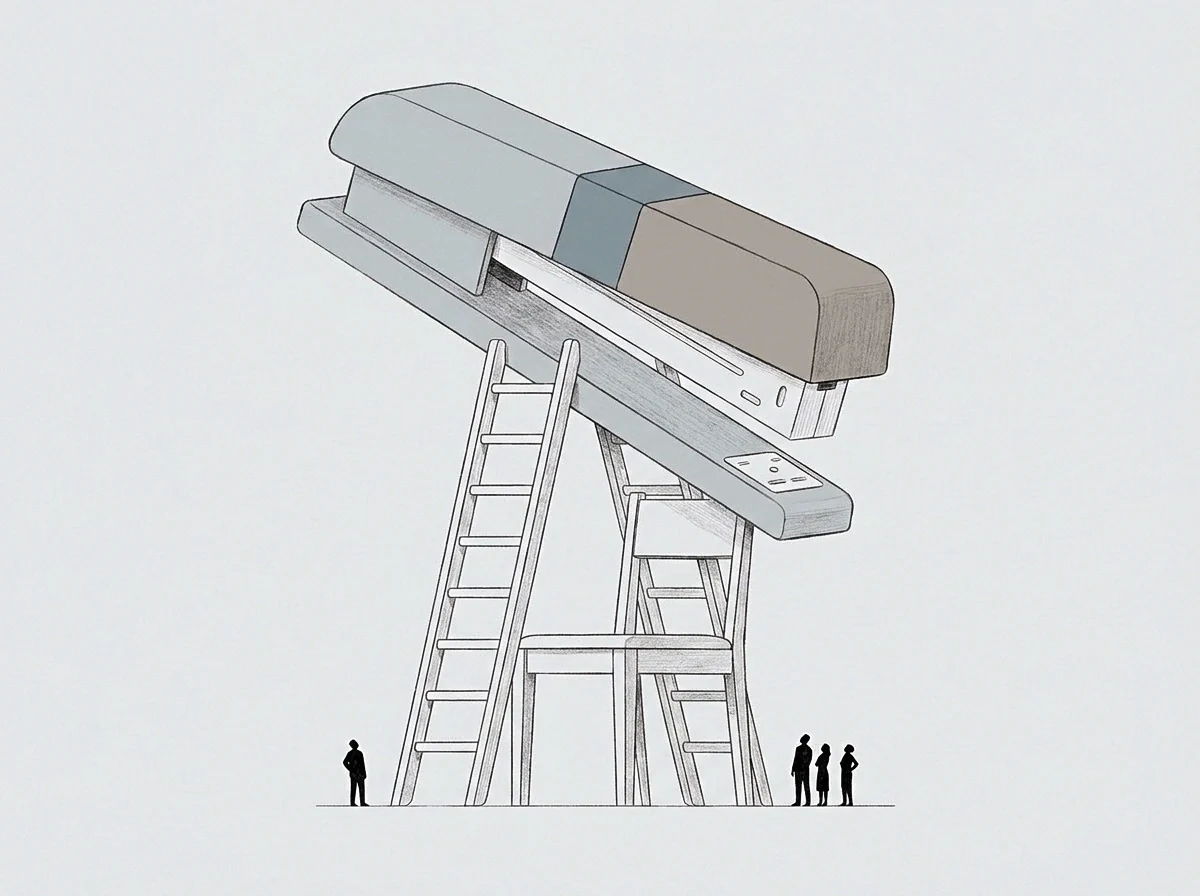
Defending an unwritten operational change routinely costs two orders of magnitude more than drafting a formal one-page addendum.
Remedy
Protecting the evidentiary value of written terms requires active record-keeping rather than reliance on standard boilerplate. When daily operations diverge from the contract, operators have two reliable options: execute a contemporaneous addendum or issue an immediate written reservation of rights.
Updating an agreement takes little administrative effort. A one-page memo referencing the master contract, describing the change, and signed by authorized representatives restores clear evidentiary weight to the arrangement before memories fade.
When allowing a temporary deviation without intending a permanent waiver, written notice must be explicit and dated. The document should state the precise duration of the variance, the terms being relaxed, and the date strict compliance resumes. This cuts off arguments built on course of performance and prevents claims of equitable estoppel.
An anti-waiver clause specifies that failure to enforce a provision does not constitute a waiver of future enforcement.