
Judicial Resolution Of Conflicting Preformation Drafts When Subsequent Operating Conduct Contradicts Initial Schedules
Subsequent operating conduct overrides unexecuted preformation drafts when continuous performance establishes implied waiver or estoppel without written objection.

Schedule
Preformation drafts represent preliminary intent, whereas subsequent operating conduct reflects real resource allocation over time. The fundamental legal ambiguity arises when founders negotiate equity schedules, vesting arrangements, or profit distributions in preliminary documents without executing a finalized, fully integrated contract before operations begin. A draft schedule sets a baseline expectation.
Daily operations create an ongoing record of behavior that either conforms to those initial terms or diverges from them entirely.
The text remains fixed.
When parties act in opposition to an unexecuted draft for months or years, tribunals encounter two competing legal theories. The first theory treats the written preformation draft as the exclusive baseline of intent, viewing any operational departure as a temporary accommodation or a breach. The second theory treats the subsequent pattern of conduct as an implied modification or an equitable estoppel, redefining the agreement through actual performance.
Resolving this contradiction requires examining whether the preformation draft constitutes a binding preliminary agreement or an unenforceable memorandum of terms.

Draft Integration and Preliminary Commitments
Courts classify preformation writings according to their degree of integration. A fully integrated document explicitly states that it contains the complete and final agreement, superseding all prior drafts and oral discussions. An unexecuted draft schedule rarely achieves full integration.
It represents a negotiation milestone rather than a closed agreement.
A rule of thumb dictates that written preliminary schedules retain legal authority only until actual operating conduct demonstrates a clear, continuous departure.
Under contract doctrines governing preliminary agreements, a signed intent schedule creates a duty to negotiate in good faith, yet it does not bind parties to the underlying commercial terms if operating circumstances change before final execution. When founders skip formal execution and immediately begin building operations, the legal status of the draft schedule degrades. The written words remain static on the desk while the commercial reality moves away from them.
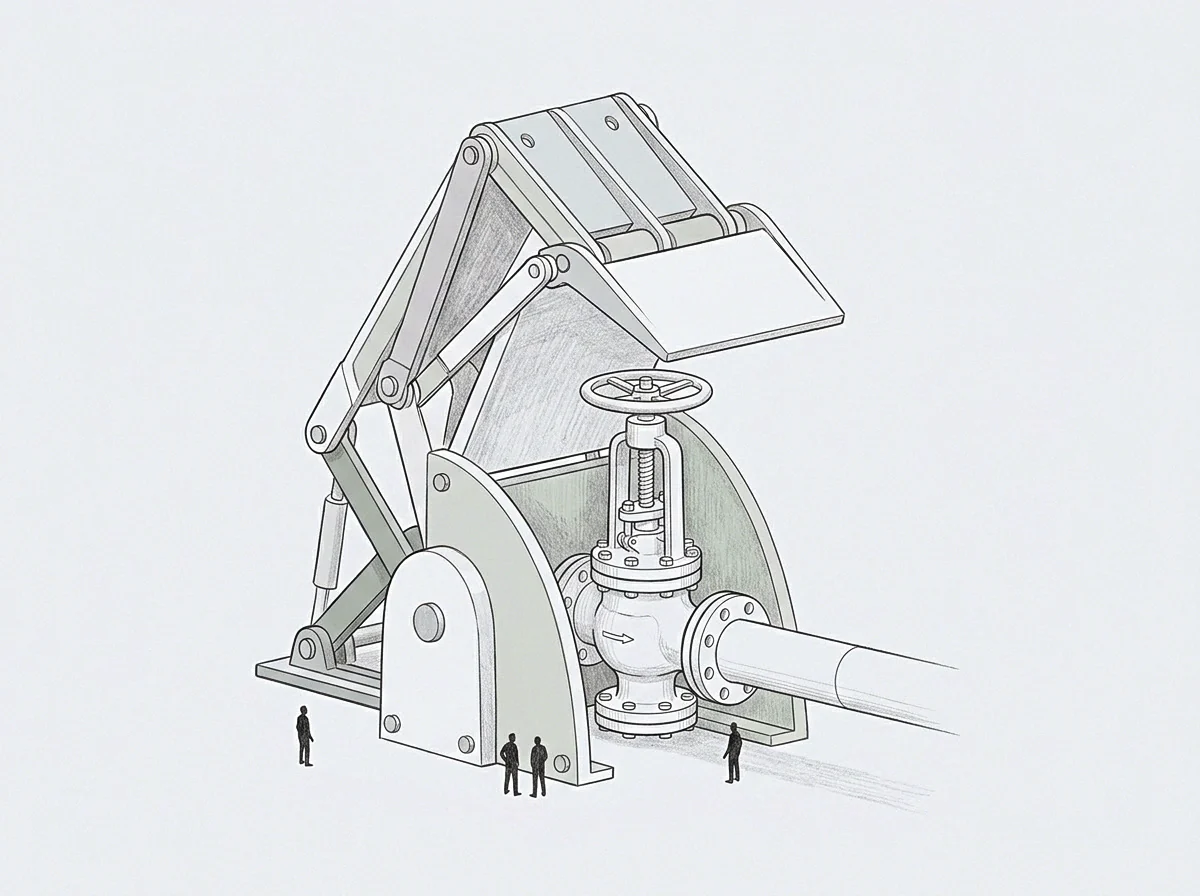
The Friction Between Writing and Operation
Disputes frequently emerge when one participant relies on the preformation draft to claim a equity percentage, while another participant relies on two years of operational data showing an unequal distribution of labor and capital. Take two founders who drafted an initial term sheet specifying a fifty-fifty equity split subject to four-year vesting. Assume one founder ceased active contributions after six months while the other managed operations for thirty months without formalizing the final operating agreement.
The inactive founder relies on the initial preformation draft as a fixed obligation. The active founder points to the subsequent operating conduct as evidence that the initial schedule was abandoned by mutual consent. The resolution hinges on whether the operating conduct established an implied agreement that replaced the preliminary draft.
Relying on an unexecuted preformation schedule without recording written adjustments during operational shifts exposes the active operator to equity dilution claims from non-performing initial parties.

Conduct
Operating conduct provides continuous physical evidence of how parties interpret their mutual obligations. Where written schedules remain unexecuted, courts analyze the course of performance to determine the true operational agreement. Daily habits, payment flows, decision-making patterns, and equity distributions serve as behavioral proof that overrides ambiguous preformation text.
Performance alters the equity.
Under statutory principles derived from commercial codes and contract restatements, a course of performance consists of repeated actions under an agreement where both parties know the nature of the performance and accept it without objection. When an initial schedule specifies a forty-percent profit distribution to an early technical lead, but actual financial distributions follow a twenty-percent pattern for eight consecutive quarters without written protest, the financial record demonstrates acquiescence to the altered distribution.

Where Does Subsequent Performance Override Initial Written Schedules?
Subsequent performance overrides preformation writings when three distinct factual elements coalesce. First, the operating behavior must continue over a sustained operational duration rather than existing as an isolated transaction. Second, the party whose rights are diminished under the new operational pattern must possess full knowledge of the variance and retain the physical capacity to object.
Third, that party must accept the performance or remain silent while accepting ongoing commercial benefits.
Silence acts as assent.
Courts apply the doctrine of equitable estoppel when enforcing an unwritten operational shift. If one founder allows another to expend significant capital and labor based on a revised operational model, that founder cannot later invoke an unexecuted preformation draft to reclaim initial terms. The court protects the party who relied in good faith on the visible operational reality.

Reconstructive Intent Through Daily Execution
Memory alters the timeline.
When legal disputes reach litigation, participants construct narratives about past intentions that fit their current financial interests. Cognitive research on reconstructive memory demonstrates that individuals modify their recollection of past verbal agreements to align with their current emotional and financial positions. The human memory reconstructs intentions based on outcome bias, whereas dated operational records reveal the sequence of actual choices.
| Evidentiary Category | Initial Preformation Draft | Subsequent Operating Conduct | Contemporaneous Recorded Entry |
|---|---|---|---|
| Legal Status | Unexecuted baseline draft | Implied course of performance | Direct written proof of modification | Admissibility Standard | Subject to parol evidence rules | Admissible to show waiver or modification | Admissible as business record entry | Memory Reliance | High risk of retrospective framing | Inferred from observable behavioral traits | Zero dependence on human recollection | Judicial Weight | Low when unexecuted and contradicted | Moderate to high under estoppel principles | Decisive in establishing binding terms |
A founder reading an unexecuted preformation document two years after founding remembered an absolute commitment, whereas the company bank statements documented a conditional milestone arrangement. The actual payment history carries higher evidentiary weight than the subjective recollection of initial discussions. The non-performing party will state that the initial draft represented a sacred, unalterable agreement that no subsequent operational adjustment could invalidate.

Table
Evidentiary balance determines how judicial authorities evaluate contradictory preformation drafts and operational patterns. Courts construct a hierarchy of evidence to resolve ownership disputes, placing structured contemporaneous entries above both unexecuted initial writings and unrecorded operational claims.
The record holds.
An initial draft carries formal structure but lacks operational currency when contradicted by daily practice. Subsequent operating conduct demonstrates real commercial activity but suffers from interpretive ambiguity, as each party attributes different motives to the same physical actions. A contemporaneous recorded log bridges this gap, establishing exactly when an operational deviation occurred and whether both parties formally consented to the modification.

Evidentiary Weight Across Dispute Scenarios
When analyzing equity distribution or asset allocation under conflicting sources, tribunals evaluate whether the preliminary draft contained an express non-waiver provision. A standard non-waiver clause states that a party’s failure to enforce a contractual right on one occasion does not waive that right for future enforcement. The presence of an unexecuted non-waiver clause creates a direct conflict with an ongoing course of performance.
An express non-waiver condition in an unexecuted draft loses legal force when both parties continuously execute transactions that contradict the draft baseline.
In jurisdictions following standard commercial law, course of performance evidence is universally admissible to interpret ambiguous terms, state the existence of a waiver, or demonstrate an implied modification. If the preformation draft contradicts the actual distribution of enterprise earnings over multiple fiscal cycles, the tribunal assigns primary evidentiary weight to the documented financial flows unless the party claiming initial terms produced contemporaneous objections logged in real time. Does an unexecuted preformation schedule maintain residual weight when subsequent written communication explicitly references its terms while operating actions breach them?

Shield
Founders protects their structural positions by implementing explicit documentary protocols before operating conduct diverges from initial schedules. Relying on casual verbal agreements to alter preformation drafts opens the enterprise to severe ownership challenges during capitalization events or acquisitions.
Operation replaces assumption.
To shield an organization from retroactively applied preformation claims, operators establish clear boundaries around how written drafts are amended, executed, or discarded. The formal legal architecture requires specific contractual terms coupled with rigorous documentation habits.

Contractual Anti-Waiver Provisions
Preventing operational drift from invalidating formal agreements requires three distinct operational mechanisms applied consistently across the corporate lifecycle:
- No Oral Modification Clause creates an absolute contractual barrier requiring any alteration of equity, roles, or schedules to exist as a signed, dated written instrument.
- Explicit Non-Waiver Provision preserves initial contractual rights even when a party chooses not to enforce a specific performance term during an operational crisis.
- Contemporaneous Ledger Entry records every operational variance at the exact moment of occurrence, providing an unadjustable record of mutual assent to modified terms.
Courts examine the conduct.
When an operator relies on a no oral modification clause within an unexecuted preformation draft, the protection remains incomplete. If both parties act in total disregard of the initial draft, courts frequently rule that the operating conduct waived the no oral modification clause itself. The physical shield consists of combining protective text with continuous, dated written updates whenever operational assignments change.
Financial distributions made outside written preformation terms establish an operational baseline that renders written draft schedules legally unenforceable.
A non-waiver term functions as an effective barrier only when supported by written notices sent at the moment operational deviations occur. Unwritten terms accumulate debt.

Clock
Dates fix the sequence.
The temporal sequence of documentation dictates judicial outcomes in preformation contract disputes. Establishing an unadjustable record requires anchoring every modification to a verified timestamp. When preformation drafts conflict with subsequent operating conduct, the party holding dated, unalterable entries controls the legal baseline.
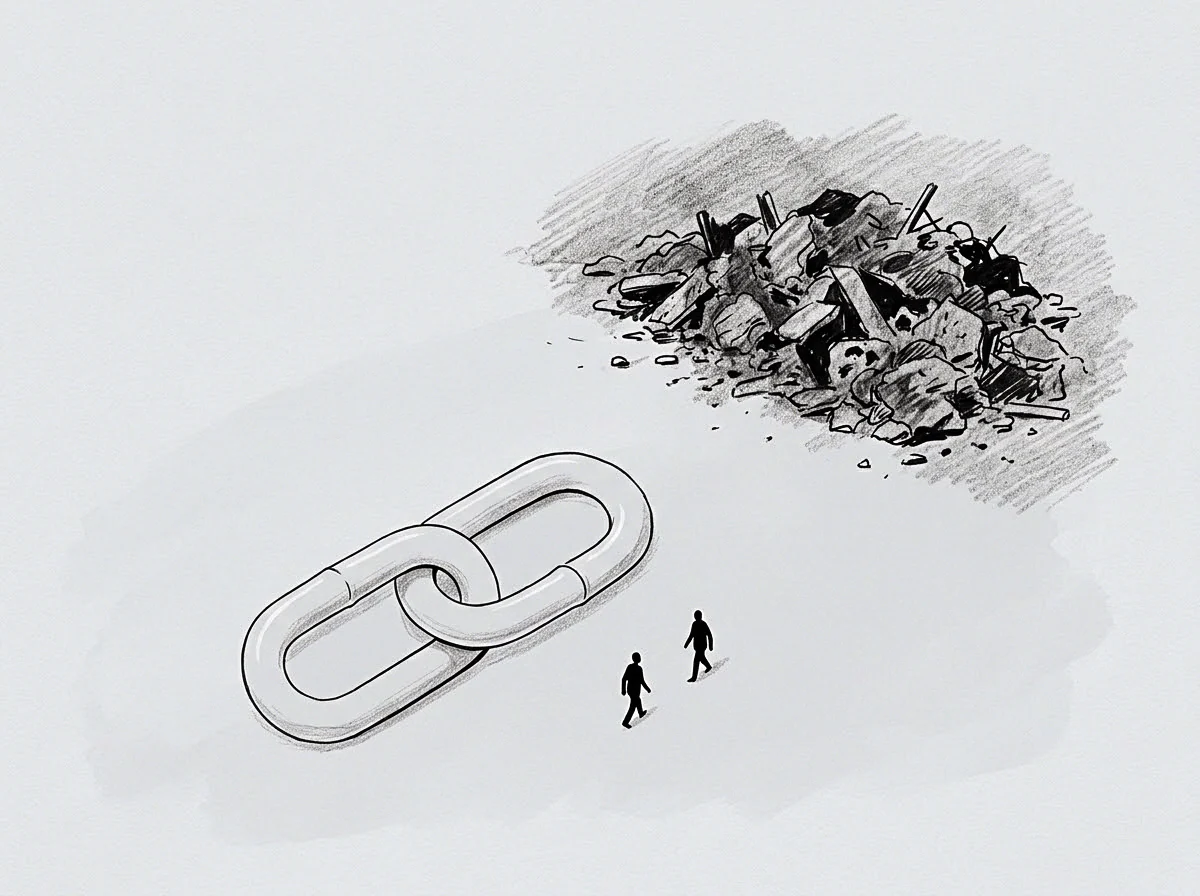
Timestamps as Unadjustable Anchors
A timestamp recorded on a decentralized ledger, an encrypted repository, or a corporate email server removes the possibility of post-hoc document substitution. When a dispute arises regarding whether a preformation draft was modified by operational behavior, judges examine the electronic trail to determine which document existed on a given calendar day.
The file preserves the facts.
Consider a situation where a preformation schedule assigned twenty percent equity to an early contributor, but actual work contributions ceased after three months. If the remaining team members log the performance failure in formal corporate minutes and transmit written notice of equity adjustment on the same day, the timestamp establishes the precise date the initial schedule was terminated. If the team delays recording the adjustment for two years, the early contributor claims that two years of operating conduct occurred under the original preformation assumptions.

The Cost of Unrecorded Variance
The cost of failing to record an operational deviation from a preformation schedule is measured in enterprise valuation destruction and legal expenses. A enterprise entering a Series A funding round or acquisition audit faces immediate capital stalls when an early participant asserts an unexecuted preformation draft claim against the corporate cap table.
Waiver requires clear proof.
Resolving an unrecorded draft conflict through litigation requires hundreds of hours of executive attention and substantial legal fees. Stating a term in writing at the exact moment operational reality shifts takes fifteen minutes. The cost paid once in documentation attention prevents the catastrophic expense of defending an ambiguous cap table against historical preformation drafts when the enterprise achieves enterprise liquidity.
The physical record settled what two years of retrospective argument could not. When operating conduct diverges from initial schedules, the dated file logged at the moment of change remains the sole instrument that survives legal scrutiny, binding both parties to the reality of their performance rather than the memory of their intentions.