
Reconciling Uncontested Operational Waivers Against Standard Integration Clauses In Commercial Disputes
Uncontested operational waivers override integration clauses when ongoing non-conforming performance demonstrates mutual assent to alter written contractual terms.

Seat
Commercial arrangements begin with negotiated boundaries defined on paper. When two enterprises execute a contract containing a standard integration clause, also termed an entire agreement provision, the legal assumption holds that the written document contains the complete and exclusive statement of terms. The integration clause operates to bar pre-existing agreements, extrinsic negotiations, and oral promises from altering the negotiated risk allocation.
Parties routinely adjust delivery schedules, payment windows, and performance specifications during active project execution. A supplier tenders shipments three days past the contractual deadline, and the buyer accepts them without comment. A software vendor delivers interim milestones omitting specified reporting features, and the enterprise client pays the corresponding invoices on schedule.
These informal adjustments recur over months, creating a pattern of conduct that diverges from the written agreement.
A buyer accepting late deliveries for six months without written reservation creates an evidentiary record that competes directly with original contract language.
Disputes materialize when one party abruptly asserts the strict written terms against the other. The performing party points to the long-standing operational acquiescence, asserting an unobjected operational waiver or an implied contract modification. The receiving party points to the integration clause and any accompanying no-oral-modification provision, asserting that operational leniency does not surrender contractual rights.
The disagreement centers on whether unobjected operational conduct can override written integration mechanics.
The agreed delivery adjustments operated smoothly for eight months without a single written objection raised.

Habit
Repeated acquiescence to non-conforming deliveries transforms contractual expectations. In commercial practice, the course of performance represents the ongoing conduct of parties during the execution of a specific transaction. When one enterprise repeatedly accepts non-conforming performance without reserving rights, legal systems evaluate whether that conduct alters the underlying obligations.
Adjudicative authorities weigh multiple factual elements when determining whether informal acceptance constitutes a binding modification.
- Duration of acquiescence measures the timeline over which non-conforming performance occurred without written protest from the receiving entity.
- Consistency of non-conforming tender evaluates whether operational deviations followed a predictable pattern or represented isolated exceptions across project milestones.
- Material reliance by performing party examines whether the performing entity adjusted its operational capacity, supply chain commitments, or financial expenditure based on unobjected acceptance.
- Presence of contemporaneous communication reviews whether operational managers exchanged informal notes, emails, or verbal assurances acknowledging the altered delivery standards.
The uniform commercial code and broader contract doctrine distinguish between extrinsic evidence used to interpret a contract and evidence used to demonstrate waiver or modification. The parol evidence rule, reinforced by an integration clause, excludes prior or contemporaneous statements. Operational waivers arise from conduct occurring after contract execution.
Consequently, standard integration provisions do not automatically bar evidence of post-execution waivers.
Written notice delivered immediately upon non-conforming performance preserves contractual rights regardless of informal operational tolerance.
Allowing informal operational adjustments to continue without written reservation forfeits the ability to enforce strict delivery timelines later.

Form
Integrated contract structures incorporate explicit provisions designed to insulate original written commitments from subsequent operational erosion. Standard integration clauses declare that the written text represents the final expression of intent. Drafters frequently pair integration provisions with no-oral-modification terms and formal non-waiver mechanisms to prevent informal conduct from altering legal obligations.

Why Do Integration Clauses Fail to Preclude Course of Performance Arguments?
Standard integration terms operate primarily to bar extrinsic evidence predating or contemporaneous with contract execution. The integration clause establishes that the written instrument supersedes preliminary negotiations, letter agreements, and draft terms. Legal tribunals distinguish between pre-execution negotiations and post-execution conduct.
Because an integration clause addresses historical formation rather than future modification, reliance on integration language alone fails to prevent course of performance claims.
To block post-execution operational waivers, contracts utilize non-waiver provisions. A non-waiver clause specifies that a party’s failure or delay in exercising a contractual right does not constitute a forfeiture of that right. Non-waiver language explicitly addresses operational tolerance, stating that accepting late or defective performance once or repeatedly does not modify future performance expectations.
A non-waiver clause specifying that delay in enforcement does not constitute a forfeiture prevents course of dealing arguments from overriding express terms.
The effectiveness of integration and non-waiver mechanisms varies depending on how operational modifications intersect with written contract provisions.
| Clause Type | Primary Defensive Function | Vulnerability to Operational Conduct | Evidentiary Standard for Overriding |
|---|---|---|---|
| Standard Integration Clause | Bars pre-execution oral agreements and prior draft terms | High vulnerability; does not apply to post-execution waiver conduct | Proof of clear post-execution course of performance |
| No-Oral-Modification Clause | Requires written amendments signed by authorized representatives | Moderate vulnerability; operational reliance can establish equitable estoppel | Demonstrated detrimental reliance on unobjected operational practice |
| Standard Non-Waiver Provision | Preserves future enforcement rights despite past tolerance | Moderate vulnerability; systemic inaction can waive the non-waiver clause itself | Clear and convincing evidence of intentional surrender of rights |
| Express Anti-Waiver Protocol | Demands explicit written reservation of rights and formal notices | Low vulnerability; requires formal written waiver signed by executive officer | Written modification executed in accordance with contract terms |
Inserting an express anti-waiver provision that specifies written approval for operational variations restores the baseline priority of original contract terms.
Rift
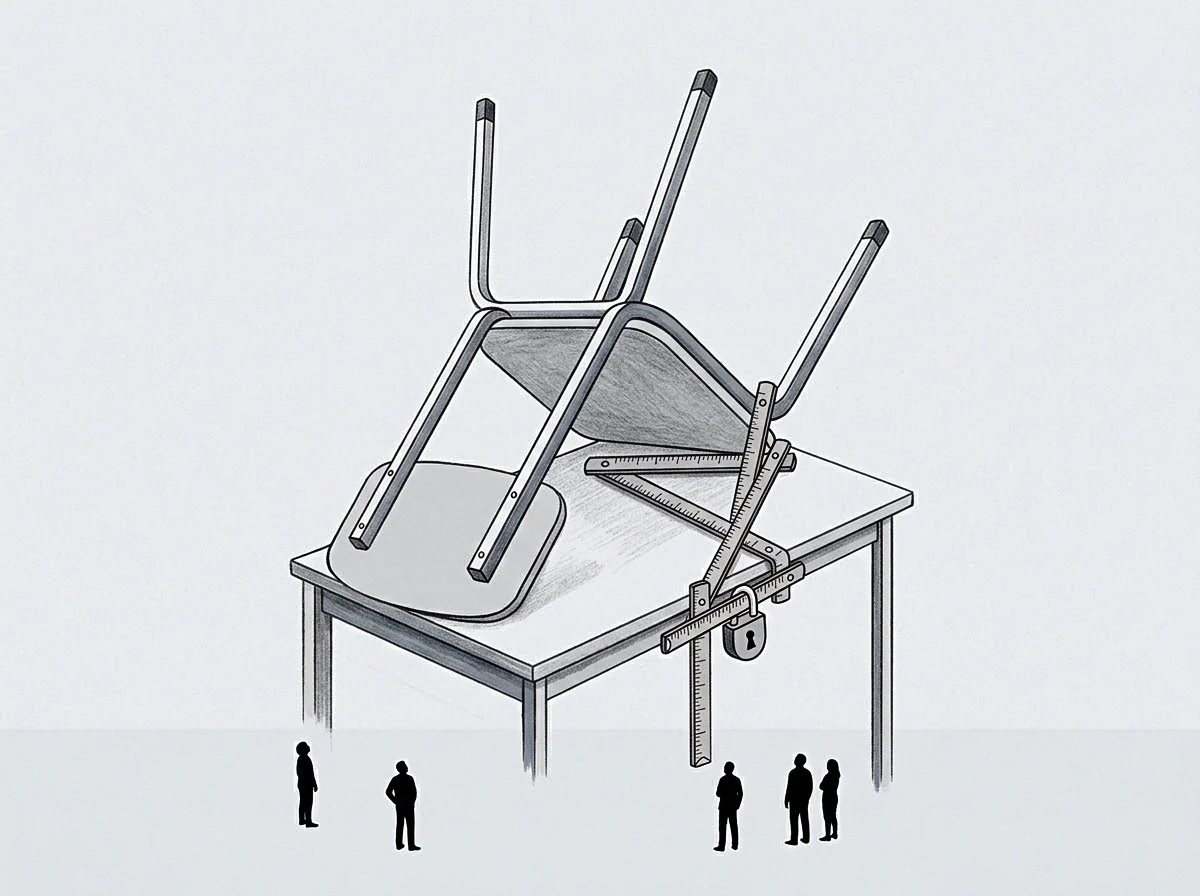
Disputes erupt when one party asserts strictly integrated contractual terms while the opposing counterparty relies upon months of unobjected operational practice. The baseline contract remains fixed. Operational habits accumulate over time.
When market conditions shift or profit margins contract, the receiving party issues a sudden demand for strict compliance, rejecting non-conforming performance that was previously accepted without comment.
Adjudicators evaluate whether the receiving party waived strict compliance or whether the performing party defaulted under the contract terms.
Adjudicators treat unobjected operational divergence as a modification of performance duties when conduct demonstrates mutual assent to the altered standard.

Chronological Progression of Operational Waiver Arguments
Commercial conflicts involving course of performance follow a distinct procedural arc from informal acquiescence to formal enforcement.
- The performing party tenders non-conforming goods or services due to operational constraints or supply chain adjustments.
- The receiving party accepts the tender and remits payment without delivering a formal written reservation of rights.
- The non-conforming operational practice repeats across multiple project phases, creating an established operational baseline.
- The receiving party experiences strategic or financial pressures and invokes the integrated written contract to reject non-conforming performance.
- The performing party raises operational waiver, course of performance, and equitable estoppel as affirmative defenses against breach claims.
- The adjudicative body compares the explicit integration language against the documented history of operational conduct.
Silence creates evidentiary ambiguity. When an enterprise receives non-conforming performance and remains silent, that silence permits two competing interpretations. The receiving entity asserts that silence reflected temporary tolerance while retaining written rights.
The performing entity asserts that silence represented mutual assent to alter performance standards. The timestamp establishes the sequence. Documented objections preserve rights.
Without contemporaneous written reservations, the performing party’s evidentiary record of accepted tenders gains substantial weight.
Whether three unobjected late deliveries suffice to establish an operational waiver remains dependent on context-specific industry norms.

Protocol
Defending integrated agreements against implied waiver claims requires structured operational discipline during project execution. Commercial entities cannot rely solely on integration clauses or boilerplate non-waiver language to protect contractual boundaries. Administrative workflows must align operational practices with legal instruments.

Preserving Integration Integrity Through Operational Notices
Establishing clear administrative workflows prevents casual course of performance arguments from undermining binding contract terms. When operational teams encounter non-conforming performance, they must issue immediate written notices of non-compliance while explicitly reserving contractual remedies. This practice breaks the evidentiary continuity required to establish an implied waiver.
Operational teams benefit from executing structured audit logs that record performance variations, delivery dates, and formal communications. Written waivers alter liability. Formal notices govern performance.
A non-conforming acceptance form signed by an authorized manager stating that tolerance applies solely to a single shipment prevents systemic waiver claims.
The text remains fixed. Operational discipline protects written terms. Regular training for project managers ensures that informal operational allowances receive immediate administrative logging.
A written reservation of rights issued upon initial non-conforming tender preserves original contract protections regardless of informal tolerance.