
Structural Limits Of Single Party Records When Retroactive Decision Consent Is Explicitly Withheld
Unilateral records establish contemporaneous internal intent but cannot substitute for bilateral consent when a counterparty explicitly refuses retroactive approval.

Line
A contemporaneous log records what someone thought, calculated, or noticed at the moment they acted. In practice, that writing shows what an operator intended at the time. It proves an idea was set down on a particular date, which keeps the writer from later arguing they began with a different view.
That entry fixes a baseline against ordinary memory drift.
Recollection shifts whenever an event is retrieved. People reconstruct past negotiations around current incentives, quietly bringing old terms into line with what suits them now. An immutable, dated entry cuts against that drift by holding the author to whatever they put down at the time.
Still, the evidentiary reach is purely internal: it records one person’s awareness, not an agreement between two.
Contemporaneous unilateral logs demonstrate internal perspective at a stated timestamp, provided the counterparty never executed a concurring record.

The Architecture of Authorial Intent
When an operator notes a decision in an internal file, the entry establishes contemporaneous knowledge, showing they weighed specific factors before acting. If a disagreement later turns on whether the move was deliberate or accidental, the timestamp offers clear evidence of intent. That writing confirms what the author recorded, but it cannot establish that a second party accepted those terms.
The boundary around single-party records becomes obvious when an unratified move relies on expected consent. An operator might carry out work and document the rationale in an internal memo, assuming a partner will formally sign off later. If that signature never arrives, the memo simply documents the operator’s private expectations, leaving the counterparty uncommitted to anything on the page.
A contract clause that treats single-party operational notes purely as informational keeps them limited to internal timelines, preventing unexecuted entries from standing in for bilateral signatures.

Proof
Evidentiary weight in a dispute turns on mutuality, not the sheer volume of internal notes. Unilateral entries establish timeline facts, but they cannot bind anyone who did not sign. When two parties remember an arrangement differently, one person’s files show what they wrote down, yet offer no proof that the other party ever agreed.
Documentation maintained by one participant serves as an internal anchor. In commercial arbitration, an unshared log proves the author held a certain view on that date, but says nothing about whether that view was shared, understood, or accepted. Without bilateral execution, an internal file remains an unratified claim that leaves the counterparty free to reject it.
One party’s entry cannot bind another. The table below outlines the evidentiary limits of different record formats when retroactive authorization is denied.
| Record Architecture | Evidentiary Scope | Impact of Explicit Disavowal | Operational Horizon |
|---|---|---|---|
| Unilateral Internal Log | Proves authorial intent and timestamped internal awareness. | Invalidates post-hoc claims of implied mutual agreement. | Restricted entirely to internal administrative review. |
| Contemporaneous Communication | Proves transmission of terms to a secondary party. | Establishes notice while failing to prove mutual assent. | Creates evidentiary basis for unacknowledged notice. |
| Bilaterally Executed Record | Proves mutual assent and legally binding consensus. | Defeats unilateral post-hoc attempts at repudiation. | Governs operational outcomes and legal obligations. |
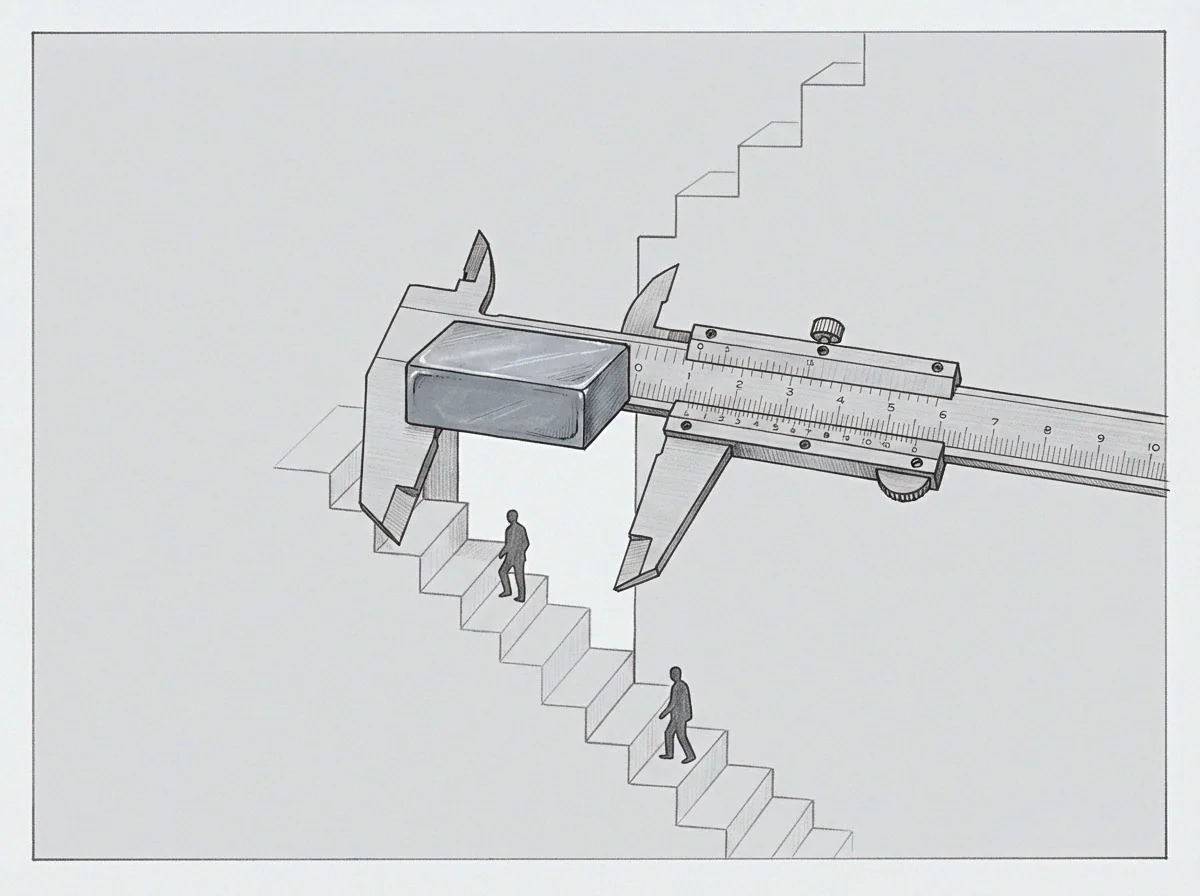
Evidentiary Asymmetry in Unilateral Logs
When an operator brings extensive contemporaneous files into a commercial disagreement, the volume of paperwork can create false confidence. Detailed internal notes do not waive the requirement for mutual assent; no party can document their way into an enforceable agreement without the counterparty’s explicit signature.
An unacknowledged summary email does not create ratification through silence. When an operator records in an internal log that silence implied consent, the evidentiary basis stays weak. If the counterparty subsequently refuses retroactive consent, that internal log merely demonstrates that the operator proceeded without the necessary approvals, compounding exposure rather than limiting it.
Treating internal notes as a proxy for signed agreements leaves an operator with almost no evidentiary standing once a dispute turns formal.
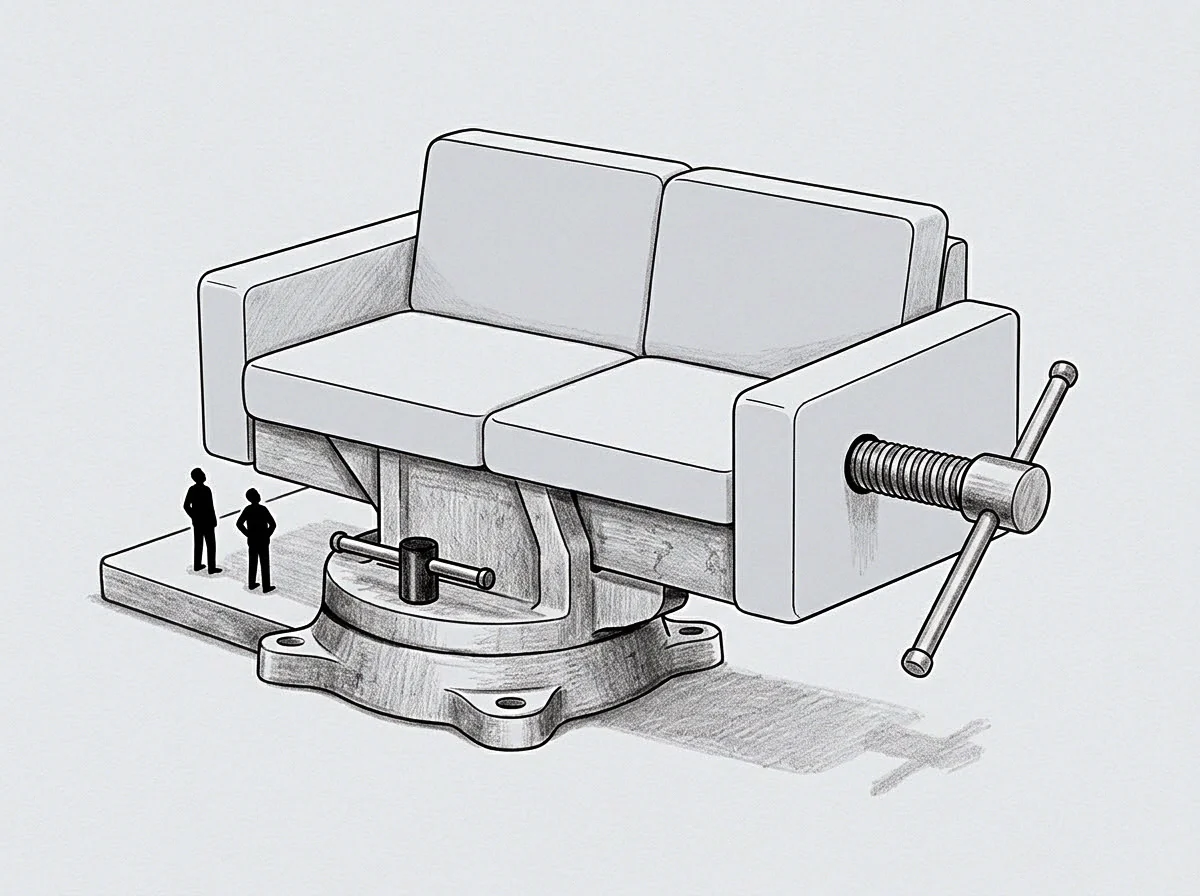
Clock
Time weakens unratified operational choices rather than solidifying them. When months pass without written sign-off, an operator often assumes that silence signals agreement, but that assumption is fragile. Time alone does not turn one person’s preference into a mutual obligation.
Consider two partners who run a business for three years without formalizing how equity proceeds are divided. The operating partner tracks monthly distribution figures in a private file, setting aside forty percent for the second partner based on an unratified conversation. The second partner receives regular updates showing revenue totals, but never a breakdown of the distribution formula.
In the third year, after a liquidity event, the second partner refuses to accept the forty percent calculation and demands fifty percent in line with the initial corporate registration.
Explicit refusal of retroactive consent wipes out unratified operational assumptions and returns the arrangement to its original written terms.
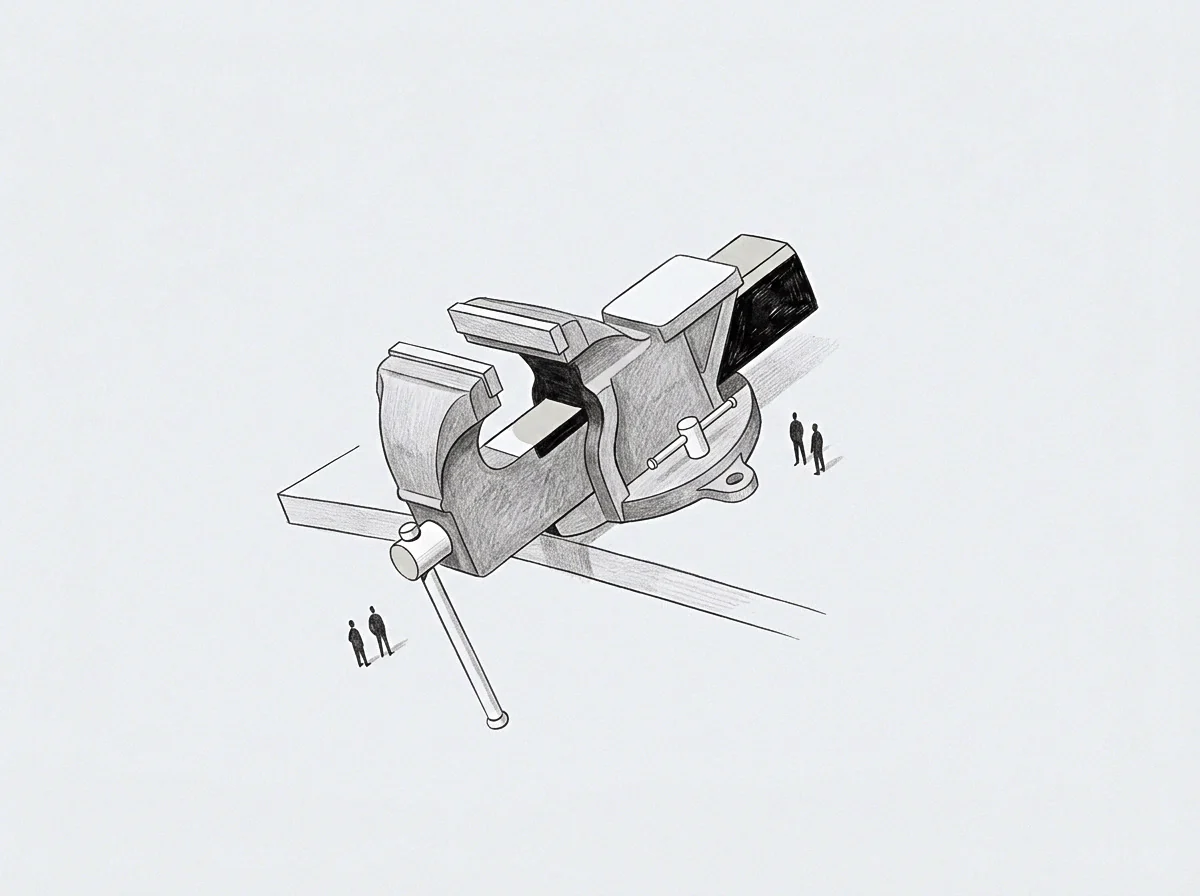
How Does Explicit Disavowal Alter Documentary Validity?
An explicit refusal destroys any assumption of consensus. In this scenario, the operating partner points to three years of detailed internal records as evidence of an established working arrangement. Yet because the second partner formally withheld retroactive approval once presented with the accounting, those private logs have no binding power over the equity split.
They show only that the operator applied a forty percent formula consistently, not that the partner ever agreed to surrender a registered fifty percent entitlement.
The timestamp proves the operator did not invent the figures after the fact, confirming they were logged at the time. Even so, the partner’s refusal strips those entries of prospective legal effect, pushing the matter back to the baseline of initial executed filings.
Unilateral entries authenticate what was recorded internally, but only mutual execution makes those terms enforceable.
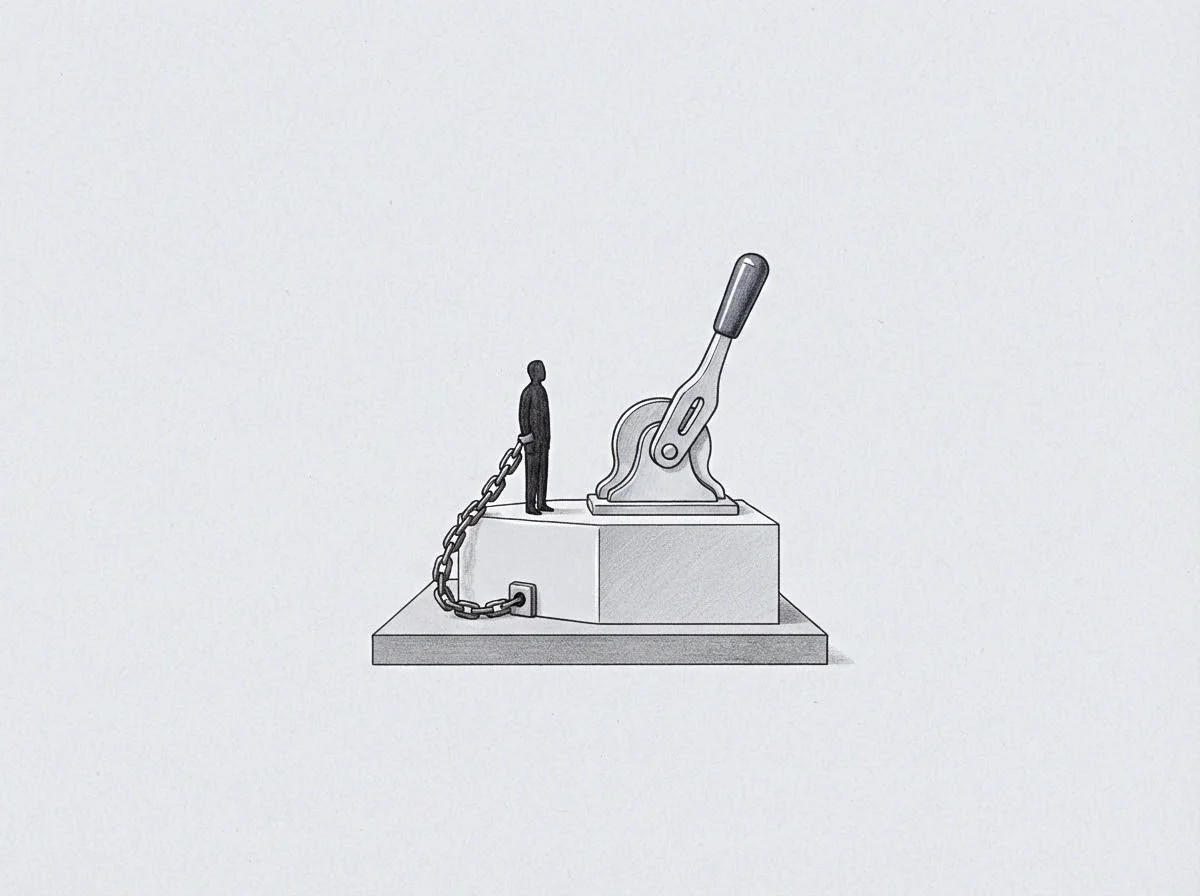
Veto
When an entity refuses to approve a past operational move, the arrangement collapses back to its formal baseline. A retroactive disavowal acts as an absolute veto against unratified practices, protecting partners from being bound by informal habits, unanswered emails, or one-sided logs.
A written disavowal overrides internal notes and shuts down any path to retroactive legal ratification. Once a counterparty states in writing that they do not consent to an earlier decision, any presumption of implied agreement vanishes. The record documents an active disagreement rather than an unstated consensus.

Failure Modes of Presumed Ratification
Relying on informal acquiescence introduces persistent operational risk. Teams repeatedly slip into predictable patterns, treating internal documentation as though it could replace signed approval from the other party.
- Informal Drift occurs when delivery teams shift project scope after casual conversations, recording the changes internally instead of securing signed change orders from the client.
- Silent Execution emerges when an operator commits capital after sending an unacknowledged notice, logging the spending as pre-approved in internal records.
- Retrospective Generalization happens when a founder takes a single, narrow compromise and applies it across later decisions without amending governing agreements.
- Unilateral Accounting arises when one partner logs ongoing management fee deductions in personal files without written approval from non-managing equity holders.
One-sided documentation clarifies what a person remembered, but has no legal weight when the counterparty formally refuses to ratify the action.
Single-party entries reflect internal administrative preferences that were never submitted for formal approval or incorporated into binding agreements.

Cost
The friction created by unratified decisions accumulates quietly. When retroactive consent is denied, the time spent maintaining detailed internal notes yields nothing in resolving disputes. The cost of relying on unilateral logs goes beyond unrecoverable capital to include sustained legal exposure and administrative deadlock.
Securing bilateral signatures upfront takes relatively little effort, whereas defending unratified single-party notes later consumes immense financial and operational capacity.
Two years of uncontradicted operational progress dissolve the moment a counterparty formally refuses post-hoc authorization.

Quantifying Operational Exposure
Assessing the exposure created by unratified decisions requires following the chain of events from the first internal note to final disavowal.
- An operator executes an operational decision while documenting the rationale and financial parameters in an internal single-party file.
- The counterparty receives general progress summaries but is not asked to execute formal written consent for the specific decision parameters.
- Operations proceed on this footing for extended periods, embedding the unratified parameters into daily practice.
- A formal audit or capital event triggers a review, at which point the counterparty explicitly refuses retroactive approval.
- The operator is forced to renegotiate terms from a position of zero documentary leverage or revert to original contractual baselines at significant financial loss.
When retroactive consent is denied after years of silent execution, very little of the accumulated operational asset value survives once single-party records are formally stripped of legal authority.

Vault
Making decisions stick requires processes that do not rely on future goodwill. Trusting internal notes to survive a direct disavowal reflects a basic misunderstanding of how evidence functions. Protecting operational decisions means establishing protocols that require contemporaneous mutual execution, rendering retroactive disavowal impossible.
An unratified operational entry functions as an active liability, while a bilaterally signed record provides permanent protection. Storing contemporaneous signed records closes the evidentiary gaps that later disputes exploit. When both parties sign a record on the date of execution, neither party can later claim the decision was an unapproved unilateral initiative.

Designing Bilateral Ratification Protocols
Commercial relationships stay stable when boundaries are defined before work begins. Clear protocols ensure that decisions requiring joint agreement never proceed on internal notes alone, setting mandatory execution triggers before capital or resources are committed.
A disciplined protocol requires that any change to baseline agreements is placed in a shared repository where both sides execute written approval within a fixed timeframe. If approval is withheld, the operation halts immediately. That discipline prevents unratified operational debt from compounding, eliminating the risk of sudden, catastrophic disavowal years down the line.
Contemporaneous execution turns subjective intentions into binding terms. By eliminating reliance on single-party notes and retroactive approval, organizations insulate their operations from the evidentiary limits of unratified decision logs.