
The Evidentiary Boundary Between Somatic Threat Detection And Legally Binding Written Commitments
Somatic threat detection provides immediate neuroceptive risk indicators, whereas legally binding written commitments establish immutable objective proof.

Signal
Human neuroception registers physiological distress long before cognitive awareness formulates a verbal statement. Visceral discomfort, autonomic shifts, and muscle tension signal hidden structural risk during deal-making long before it is articulated. These physical alerts catch discrepancies between explicit verbal promises and subtle behavior.
The fundamental distinction between bodily threat detection and a legally binding written commitment sits in external verifiability. A physical response is internal and private, while a written commitment is a public, standardized, unadjustable document.
A founder sitting across a table from a prospective partner may experience acute gastric constriction when a specific equity split is proposed. This digestive discomfort signals a discrepancy between prior verbal alignment and current terms. That physical state remains entirely inaccessible to third-party adjudicators.
A court, an arbitrator, or an enterprise board cannot evaluate biological discomfort as evidence of misrepresentation or breach. The private somatic response offers subjective direction, yet carries zero evidentiary weight until translated into explicit contractual text.

Visceral Threat Detection in Commercial Negotiation
Autonomic responses like elevated heart rate and muscle tension function as rapid appraisal mechanisms during complex deal structuring. The central nervous system processes micro-expressions, tonal shifts, and omitted details below conscious awareness, alerting the negotiator to unstated hazards, predatory contract structures, or hidden counterparty motives. While somatic threat detection serves as an immediate personal compass, it cannot establish bilateral legal obligations.
Consider a worked situation involving two co-founders establishing a technology venture. Assume co-founder A contributes core intellectual property while co-founder B secures initial operational funding. During contract discussions, co-founder A experiences persistent chest tightness whenever co-founder B mentions intellectual property assignment clauses.
The physical signal accurately tracks an asymmetric transfer of proprietary rights. If co-founder A signs the agreement without altering the written language, the physical distress experienced during signing provides no legal defense against contract enforcement. The written instrument supersedes the unexpressed internal state.
An unwritten bodily warning leaves zero trace on a court docket.

Autonomic Physiology against Textual Record
Internal states operate through subterranean biological pathways that remain invisible to external observers. When a dispute arises, legal systems demand objective artifacts rather than historical emotional states. A party claiming duress or unstated promises must produce contemporaneous emails, executed memoranda, or unambiguous contractual provisions.
The body’s threat response flags where danger resides, but only text anchors agreement.
Relying on physical alarms without converting them into explicit terms exposes negotiators to severe commercial liabilities. A founder who feels uneasy about a partner’s commitment, yet signs an unadjusted agreement, remains fully bound by the written terms. The cost in attention and financial exposure of ignoring the evidentiary boundary manifests as enforceable contractual obligations that directly contradict the internal somatic warnings felt during negotiation.

Draft
Converting internal physical alarms into explicit language demands prompt, structured documentation. When somatic threat detection signals potential hazard, the practical move requires translating vague physical discomfort into precise written terms. This process bridges the gap between subjective experience and objective proof, capturing the specific nature of the threat before memory reconstructs the event.
A structured approach to recording preliminary objections prevents later disputes over what was understood or agreed upon. Documenting concerns in real time establishes a temporal reference point that outlasts subjective recall. The practice requires translating diffuse bodily tension into specific operational parameters, such as delivery timelines, equity vesting schedules, or governance rights.

When Does Bodily Discomfort Become Operational Evidence?
An internal alarm acquires institutional standing only after transformation into a timestamped written entry. The transition requires immediate transcription of physical suspicion into concrete factual statements. A negotiator feeling uneasy about counterparty solvency must request formal financial disclosures or written performance guarantees.
The written request converts a vague somatic signal into an auditable communication record.
The field demonstrates that unrecorded objections decay rapidly in evidentiary utility. An individual who notices an uncomfortable bodily reaction during a strategy meeting must document the specific trigger within hours. The resulting record serves as an internal reference point and a potential foundation for contractual modifications.
- Contemporaneous Note captures the immediate factual circumstances and specific verbal statements that triggered somatic threat detection during a negotiation session.
- Specification Memo outlines precise operational conditions required to mitigate identified risks before formal contractual execution occurs.
- Marked Version records specific textual deletions and additions proposed to address somatic concerns raised during contract review.
- Written Clarification Request formally asks the counterparty to verify ambiguous terms that caused physiological distress during oral discussions.

Translation Mechanics from Alarm to Term
Converting subjective apprehension into precise language requires systematic categorisation of observed operational discrepancies. The negotiator must identify whether the visceral threat stems from financial ambiguity, governance asymmetry, or performance uncertainty. Once categorised, the apprehension must be articulated as specific contractual clauses, such as indemnity obligations, termination triggers, or clear representations and warranties.
Without this translation, somatic threat detection remains commercially sterile. A founder who experiences chronic anxiety regarding a key hire’s long-term commitment gains no protection from that feeling. Protection emerges only when that anxiety produces a restrictive covenant or a milestone-based vesting schedule in the signed employment contract.
A gut instinct dictates where to look, while a dated sentence proves what was found.
When presented with contemporaneous documentation of early objections, the counterparty typically maintains that unwritten concerns hold no binding weight outside the signed instrument.

Clock
Time continuously alters the human recall of past negotiations. Reconstructive memory operates by synthesizing past events with present motivations, emotional states, and newly acquired information. Consequently, a founder’s recollection of what was intended during a deal negotiation drifts significantly over six, twelve, or twenty-four months.
The fixed written record stands as the sole defense against this inevitable cognitive erosion.
The temporal divergence between internal subjective memory and fixed written documentation creates profound vulnerabilities in commercial relationships. As time passes, parties tend to remember unstated assumptions as explicit agreements. When conflict emerges, each side holds a sincere, high-confidence memory of contradictory verbal terms.
In these moments, adjudicators rely exclusively on the timestamped written artifact.

Temporal Decay of Unwritten Objections
Human memory reconstructs events based on present emotional states rather than exact historical facts. Biological threat responses experienced months prior leave no objective trace in human memory that can withstand adversarial scrutiny. Psychological research shows that subjective confidence in a memory does not correlate with its historical accuracy over extended timeframes.
A dispute over equity allocation frequently highlights this memory decay. Assume two founders agree verbally in January that equity splits will depend on future performance, yet sign a standard fifty-fifty agreement to expedite entity formation. Founder A experiences somatic apprehension during signing but remains silent.
Eighteen months later, after founder B underperforms, founder A recalls the January conversation as a definitive legal condition. Founder B remembers it as an informal, non-binding discussion. The unadjusted written agreement governs, leaving founder A with no legal recourse.
| Dimension | Somatic Threat Detection | Legally Binding Written Commitment |
|---|---|---|
| Evidentiary Standing | Zero institutional admissibility; entirely subjective internal state. | High legal enforceability; binding on signing parties. |
| Temporal Stability | Decays rapidly; subject to reconstructive memory drift. | Immutable once executed; immune to cognitive distortion. |
| Modification Mechanics | Fluctuates dynamically with immediate physiological state. | Requires formal written amendments signed by authorized parties. |
| Verification Threshold | Inaccessible to third parties; non-verifiable. | Auditable by courts, auditors, and external investors. |

Reconstructive Memory inside Contractual Disputes
Witness confidence increases over time even as recollection accuracy precipitously declines. In litigation, a witness who sincerely believes an unwritten promise was made will often fail under cross-examination when confronted with contradictory contemporaneous emails or executed contracts. The legal framework systematically privileges the static written record over fluid human memory.
When an integration clause enters a commercial contract, unrecorded verbal assurances lose all legal force.
The reliance on memory over documentation routinely leads to costly legal failures. When a party attempts to enforce a verbal understanding that contradicts an executed document, courts apply the parol evidence rule to exclude extraneous statements made prior to or contemporaneous with contract execution. The presence of a standard integration clause explicitly locks the contractual boundary, rendering all prior somatic concerns, unwritten warnings, and informal verbal assurances legally irrelevant.

Clause
Legal systems explicitly prioritize codified contractual text over subjective prior understandings. The architecture of a written contract is designed to eliminate ambiguity and extinguish unstated claims. When parties execute an agreement, they create an unadjustable baseline that defines their rights and obligations.
The written commitment functions as an objective boundary, insulating the transaction from subsequent disputes rooted in forgotten or unexpressed somatic warnings.
To ensure that written commitments effectively neutralize unstated risks, transaction designers employ specific boilerplate clauses. These provisions act as legal firewalls, explicitly barring parties from introducing external evidence to alter, contradict, or supplement the written terms. Understanding these contractual mechanics is essential for anyone seeking to secure commercial arrangements against future memory-based disputes.

Enforceable Allocations of Unstated Risk
Courts systematically decline to infer unwritten obligations when bilateral agreements appear complete on their face. The legal doctrine of freedom of contract assumes that sophisticated parties include all necessary terms within the written instrument. If a party fails to reduce a somatic threat signal into an explicit contractual warranty or covenant, the legal system allocates that omitted risk entirely to the silent party.
Consider the process of formalizing contractual protections from preliminary risk signals:
- Identification of the specific somatic threat trigger during preliminary commercial discussions or document review.
- Drafting clear, unambiguous language that translates the physiological concern into an explicit representation, warranty, or covenant.
- Negotiating the inclusion of the drafted language into the primary written agreement with the counterparty.
- Ensuring the final document contains an integration clause that explicitly merges all prior communications into the signed writing.

Integration Clauses as Legal Firewalls
Standard four-corner provisions extinguish all prior verbal warranties, side letters, and informal understandings. An integration clause formally declares that the written document represents the entire agreement between the parties. Once an integration clause is executed, any unwritten representation made during negotiations becomes legally unenforceable.
The presence of an integration clause transforms the written document into an exclusive evidentiary record. A party claiming reliance on a verbal promise made prior to signing faces an insurmountable legal barrier, as the contract explicitly negates any reliance on extraneous statements.
Somatic alarms convert into legal leverage only when contemporaneous notes establish a verifiable timeline.
Documented clarity protects both sides equally from the instability of unwritten expectations.

Margin
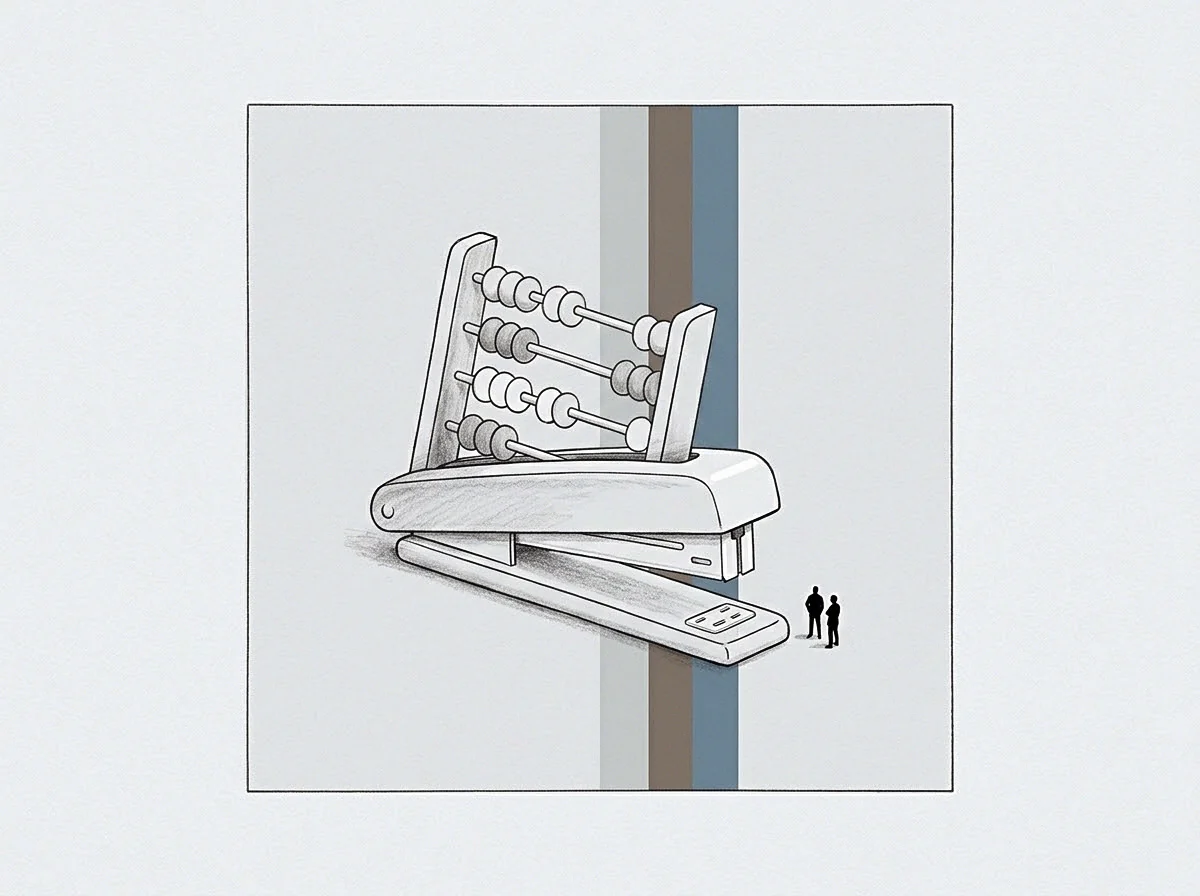
Every organization chooses between proactive note-taking overhead and reactive dispute resolution fees. Maintaining continuous, rigorous transaction documentation incurs a real administrative cost in hours, attention, and operational momentum. However, this upfront expense represents a single payment against the compounding costs of unmanaged contract disputes, litigation expenses, and commercial disruption.
The margin between somatic risk detection and legal enforceability measures an organization’s documentation discipline. Enterprise leaders who routinely translate biological threat signals into contemporaneous written records build robust legal protection. Conversely, those who rely on unwritten trust or gut feelings leave their organizations exposed to catastrophic memory disputes when commercial relationships strain.
Calculated Documentation Expense against Litigation Exposure
Maintaining rigorous transaction logs demands dedicated managerial capacity and administrative focus. The hours spent summarizing negotiation meetings, sending confirmation emails, and updating contract drafts reduce immediate execution speed. Yet, this upfront investment pales in comparison to the immense costs of legal discovery, expert witness fees, and business paralysis during formal contract litigation.
The decision to document preliminary concerns must be treated as a necessary risk management function rather than an superfluous administrative burden. A structured documentation process ensures that somatic alarms are systematically captured, evaluated, and converted into legally protective written terms before transactions close.

Institutional Verification of Pre-Verbal Indicators
Systematic enterprise governance requires clear protocols for converting gut instincts into auditable contractual terms. Organizations must establish clear internal guidelines that encourage team members to voice physiological apprehensions during deal structuring. Once voiced, these concerns must be systematically vetted and translated into formal negotiation points.
Bridging the evidentiary boundary ensures that personal physiological insights serve the broader enterprise. By instilling a culture of immediate written transcription, organizations effectively transform subjective somatic awareness into durable, legally binding commitments that protect long-term enterprise value.
How effectively can an enterprise operationalize real-time somatic threat signals without paralyzing its fast-moving commercial negotiation pipelines?