Meaning
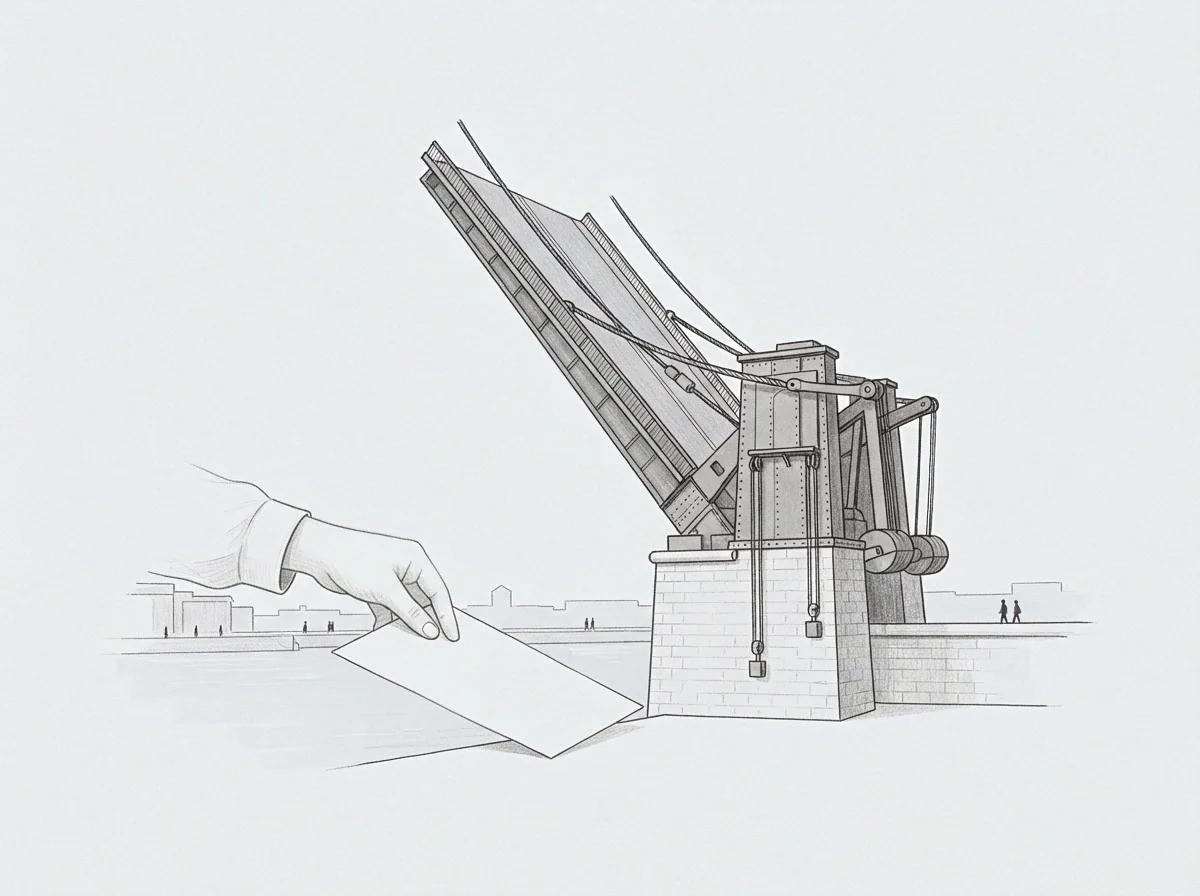
Unilateral permissions grant a party authority to use intellectual property without consideration or contractual mutuality. A bare license allows a party to access software code or proprietary designs entirely at the discretion of the legal owner. Because no consideration passes between the parties, the grantor retains the legal right to withdraw the permission at any point without notice.
The arrangement creates no affirmative obligations, warranties, or liability limits for either party. The boundary of this status ends when money, services, or mutual promises enter the transaction, converting the relationship into a binding contract.
Revocation Threshold
Legal rights under uncompensated grants remain precarious over extended periods. A bare license terminates upon simple written notice or through conduct that indicates a clear withdrawal of consent. Software components passed between departing founders under informal understandings frequently rely on this fragile legal status.
When an asset holder revokes permission, continued use by the recipient immediately becomes an act of intellectual property infringement. Proof of revocation relies on recorded messages or modified repository access controls. Written notices prevent claims of estoppel when an owner reclaims exclusive control over a code asset.
Evidential Footprint
Documentation of uncompensated grants rarely appears in corporate governance schedules. A recipient relying on a bare license holds no contractually protected rights during asset transfers.
Transfer Vulnerability
Successor entities examining intellectual property holdings require proof that every software dependency rests on stable legal ground. A bare license cannot be assigned or transferred to an acquiring entity without explicit consent from the original creator. When a company undergoes an acquisition, missing contractual licenses force engineering teams to rewrite proprietary modules.
The financial cost of replacing unassigned code measures the exposure created by informal arrangements.