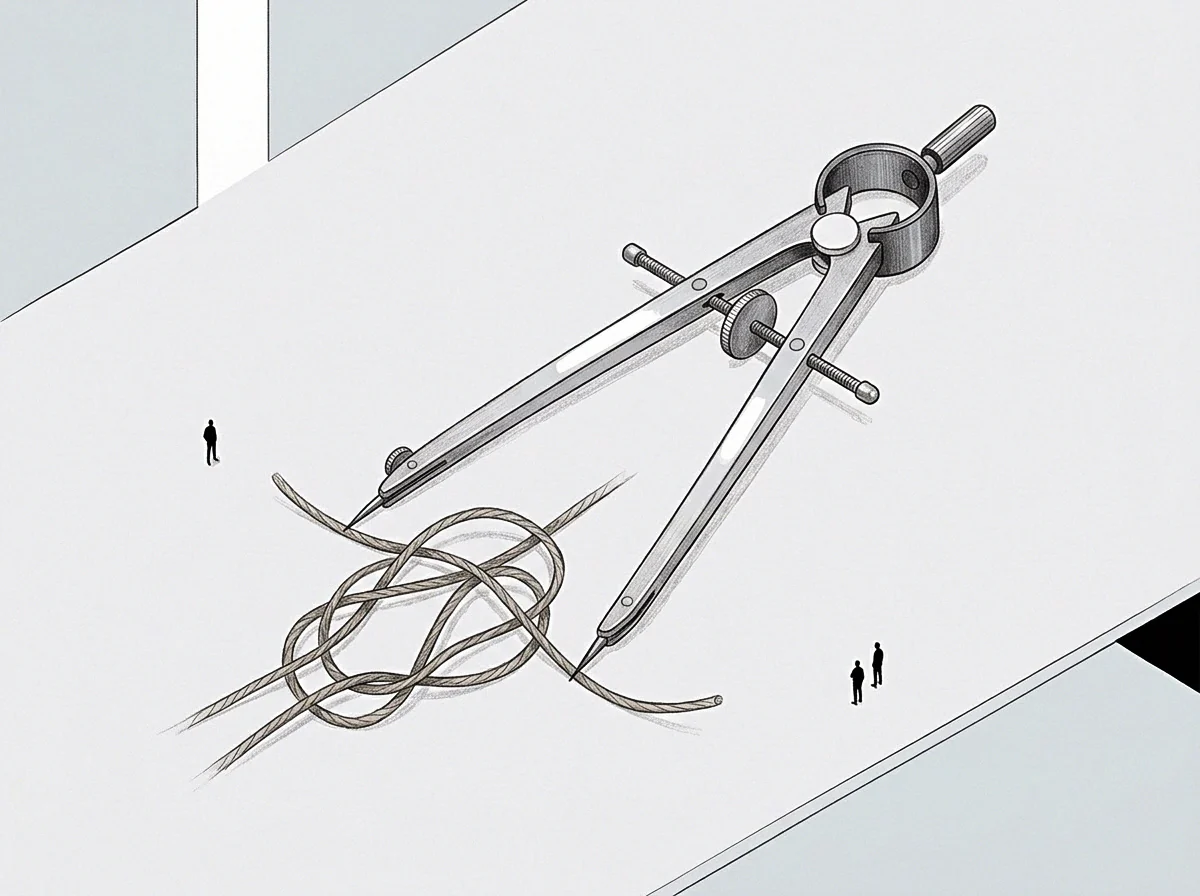
Meaning
Conflict within the leadership group of an organization occurs when the interests of directors diverge from the operational goals of the executives. This board friction arises during discussions of capital allocation or management performance. It is identified through minutes that record dissenting votes or prolonged debates on routine motions.
The phenomenon stops at the point of consensus or the removal of a member from the board.
Governance Tension
Misalignment between a founder and a director often manifests as a series of disagreements over strategy. Persistent board friction increases the time required to pass a resolution or to authorize a new round of funding. It creates a record of instability that external investors may view as a risk.
The cost of this tension is measured in the hours spent on mediation and the delayed execution of corporate plans.
Decision Speed
Efficiency in the boardroom declines when the relationship between participants becomes adversarial. Frequent board friction prevents the rapid pivoting required in a competitive market. Decisions that once took a single meeting now require multiple sessions and additional documentation.
This slowdown affects the agility of the company and the morale of the management team.
Documentary Proof
Official records of board meetings serve to track the frequency and the intensity of these internal disputes. Board friction is captured in the formal minutes and the emails exchanged between the chairman and the chief executive. These documents provide a basis for understanding the reasons behind a strategic failure or a sudden change in leadership.
Accurate recording of dissent ensures that the fiduciary duties of each director are clearly established in the event of a legal challenge.