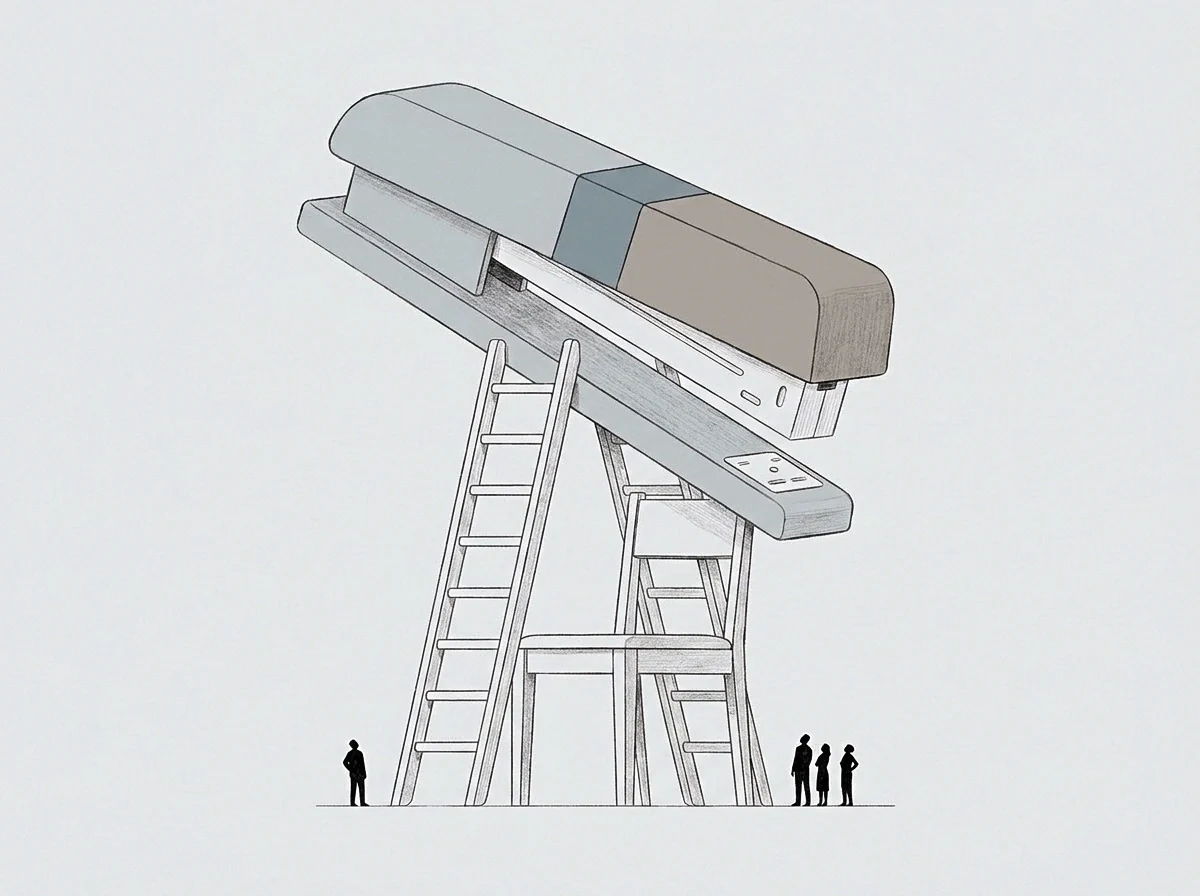
Meaning
Obligations to pay out equity holders represent a fixed commitment on a balance sheet. The buyout liability arises when a company or a remaining shareholder becomes legally bound to purchase the shares of an exiting founder. This obligation stops applying once the full purchase price is transferred and the share certificates are cancelled or reassigned.
Contractual Timing
Payment schedules often stretch across several years following the departure of a principal. A buyout liability remains active during this period (often called the payout window) and requires regular debt service. If the company fails to meet a scheduled payment, the liability triggers default clauses that might allow the founder to reclaim voting rights.
This financial pressure influences operational decisions because the cash must be reserved regardless of profit levels. Management must report the status of these payments to current investors to maintain transparency about the company’s leverage. The presence of this debt can also hinder the ability to secure new bank loans if the debt-to-equity ratio exceeds certain thresholds.
Documentary Proof
Verified stock purchase agreements provide the primary evidence for the amount owed. The buyout liability is quantified by the valuation formula agreed upon at the time of the exit. It cannot be reduced by subsequent losses unless the contract includes a specific clawback provision.
Auditors rely on these signed documents to categorize the debt as a current or long-term obligation.
Extinguishment Event
Finality occurs only when a written receipt or a bank confirmation proves the transfer of the final installment. While the buyout liability exists, it acts as a lien against the company assets. Once the debt is cleared, the corporate record shows a clean cap table.