Meaning
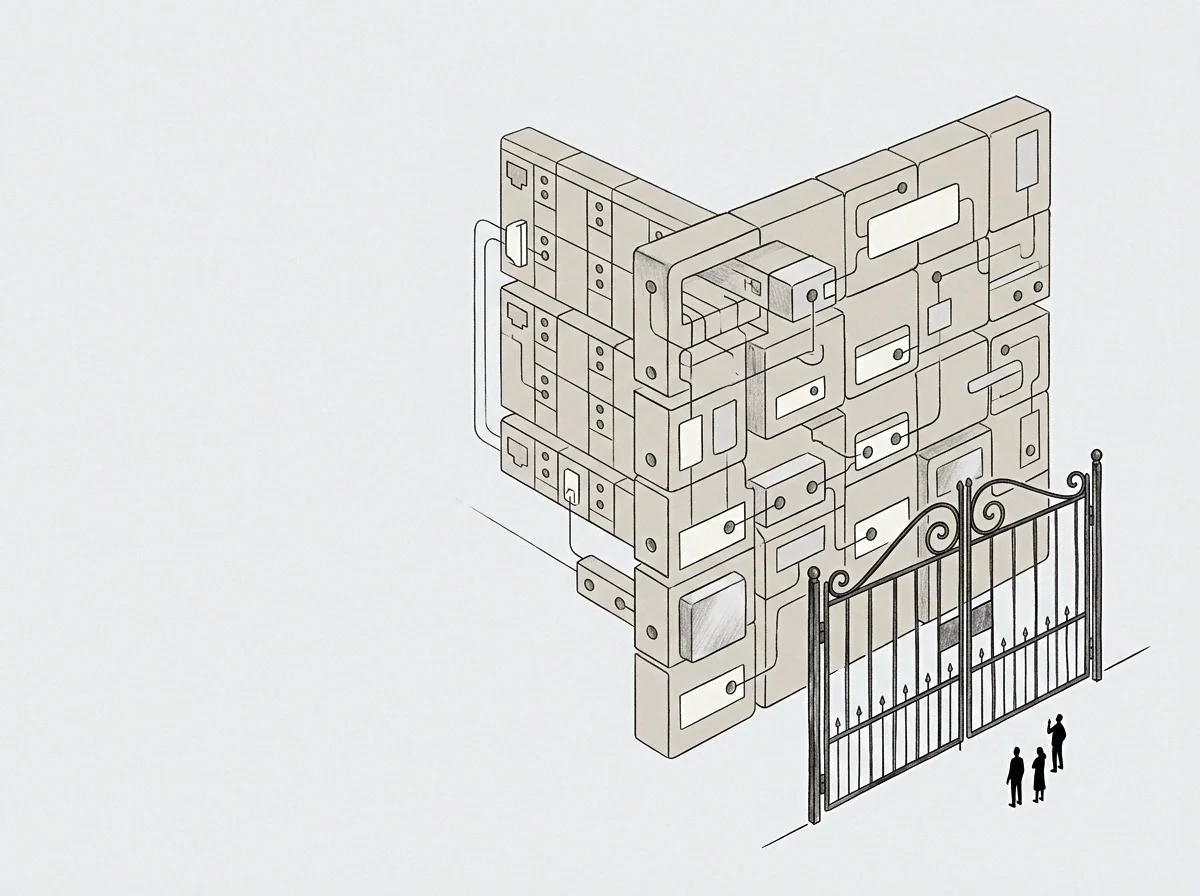
Corporate divestitures separate a subsidiary or business segment from a parent company to create an independent operating unit. Executing carve-out transactions requires isolating financial statements, operational software, physical real estate, and administrative contracts from shared corporate overhead. The process establishes standalone historical financials and operating assets for the divested entity, distinguishing dedicated resources from shared infrastructure.
Legal boundaries take effect upon formal execution of transfer agreements, ending shared reliance on parent entities.
Asset Separation
Historical performance figures require reconstruction when shared central services are severed. Parties undertaking carve-out transactions must draft transition service agreements to maintain operational continuity during software and vendor migration. Shared vendor licenses and overlapping customer agreements require explicit assignment.
Unassigned shared assets remain with the seller, leaving the divested entity vulnerable to operational interruption.
Transition Expense
Separating corporate structures demands administrative hours to reconfigure operational architecture. Executing carve-out transactions incurs expenses for legal drafting and software deployment. Personnel spend capacity separating historical data stores.
Delaying systems separation multiplies long-term operational overhead.
Structural Limit
Standalone accounting statements estimate overhead allocations without guaranteeing future operational margins. Although carve-out transactions supply pro forma balance sheets, past expense allocations reflect shared corporate discounts rather than independent vendor pricing. Realized costs depend on new commercial terms reached after separation.
Reconstructed historical metrics cease to predict financial performance once transitional service agreements expire.