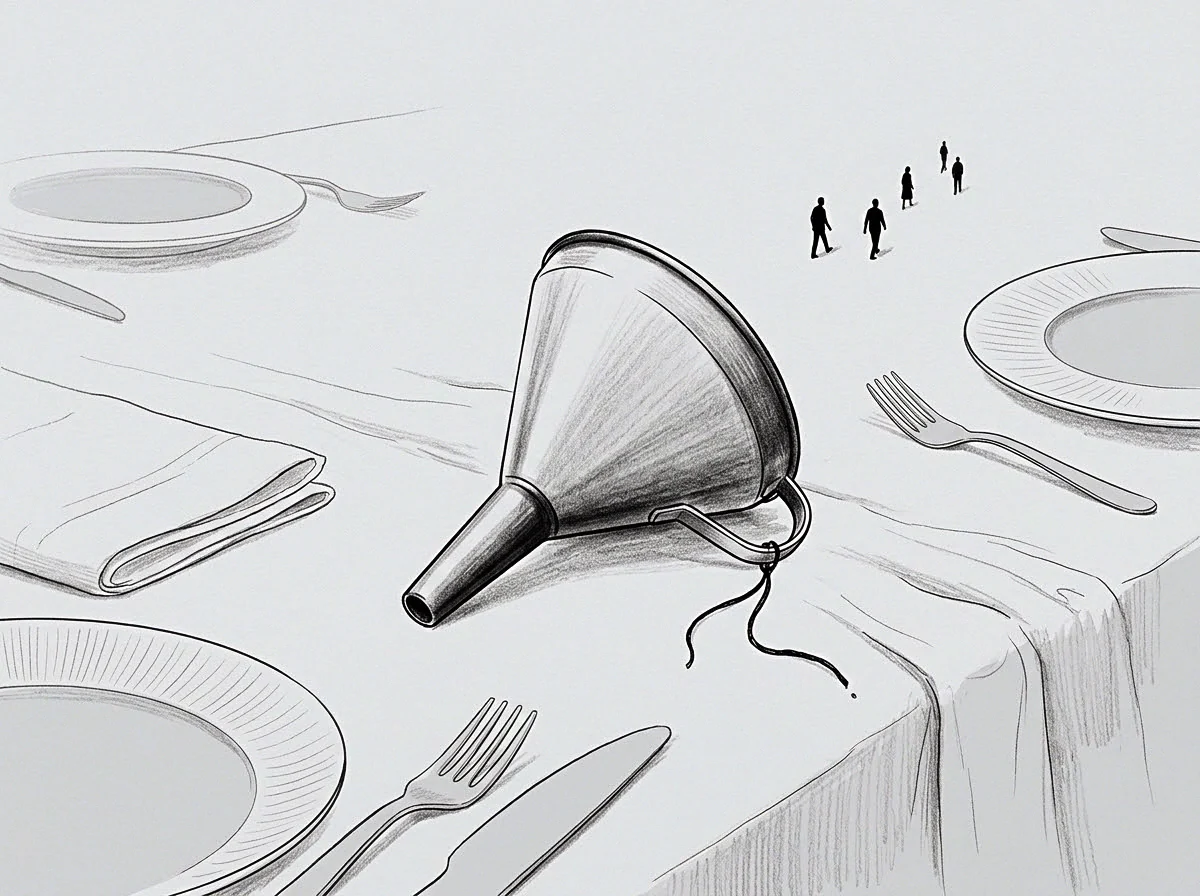
Meaning
The legal and operational assumptions that govern joint business activities when founders fail to execute a formal agreement determine the division of liabilities. In many jurisdictions, constructive partnership defaults apply equal ownership and liability split rules to the venture by operation of law. They step in to fill the silence left by the absence of a written contract.
The rules do not consider the actual amount of work or capital contributed by each party.
Implied Commitment
Operating a joint enterprise with a shared profit motive automatically triggers these statutory assumptions. When co-founders act as partners, the law infers constructive partnership defaults even if the parties never intended to form a legal partnership. It binds each founder to the actions of the other.
The resulting shared liability can expose personal assets to business debts.
Operational Risk
Unlimited personal liability is the most severe consequence of failing to formalize a business relationship. Under typical constructive partnership defaults, any partner can enter into contracts that bind the entire venture. This exposure means that a single founder can accumulate liabilities that all founders must pay.
Resolving these issues later requires court intervention or expensive legal settlements.
Remedial Option
Executing a formal partnership agreement or incorporating the entity terminates the application of these default rules. Once a corporate structure is established, the written bylaws and share purchase agreements replace the constructive partnership defaults entirely. This transition protects personal assets from company liabilities and establishes clear equity divisions.
It replaces vague assumptions with a structured, written record of governance. This formalization must happen before the venture generates significant revenue or incurs substantial debt. If the transition is delayed, the historical period remains subject to default rules, which can complicate due diligence during subsequent investment rounds.