Meaning
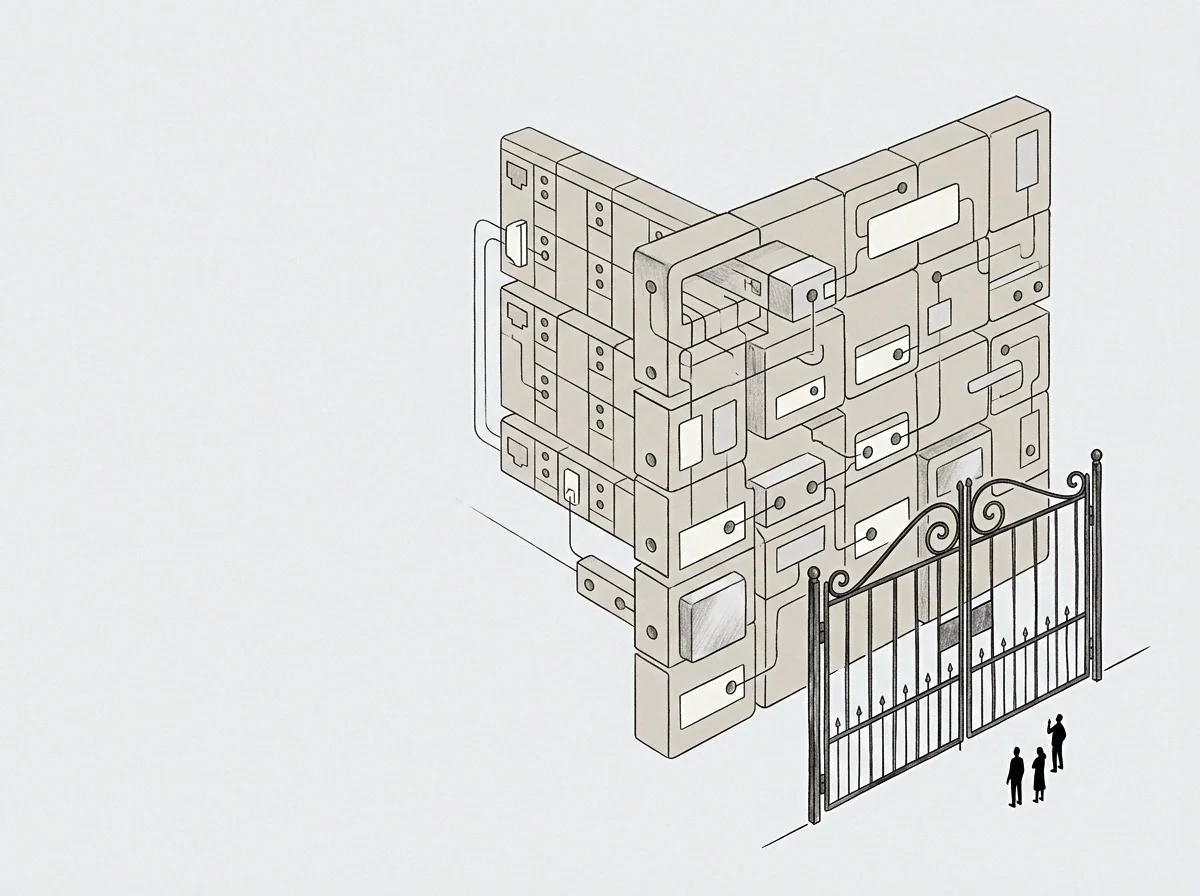
Disclosure of facts and exceptions provided by one party to another during the finalization of a legal transfer. These contractual disclosures provide a shield against future claims of breach of warranty by detailing every known liability or deviation from standard operations. They transform general representations into specific, qualified statements of fact.
Document Purpose
Protection for the seller arises from the exhaustive nature of the list. When contractual disclosures are drafted, they include every pending lawsuit, every expired permit, every irregular employee agreement and every tax lien. This record ensures the buyer cannot later claim ignorance of a specific risk that was written into the schedules.
Verification Process
Comparison between the data room and the final schedules reveals the depth of the disclosure effort. A thorough set of contractual disclosures matches every data point in the transaction records to a specific warranty in the main agreement. This creates a traceable map of what was known at the time of signing.
Liability Boundary
Information known to the buyer through other means often does not count as a defense if it is missing from the formal list. If the contractual disclosures omit a specific liability, the seller remains exposed to an indemnity claim regardless of what was discussed in casual meetings. This boundary is strictly enforced by integration clauses that prevent oral testimony from overriding the written word.
If a founder claims they told the buyer about a bug in the code over lunch, though the contractual disclosures do not mention it, the legal record treats the bug as an undisclosed liability. This creates a hard cost in the form of escrow holdbacks or direct damage payments when the buyer discovers the issue after the transition. The written word is final.