Meaning
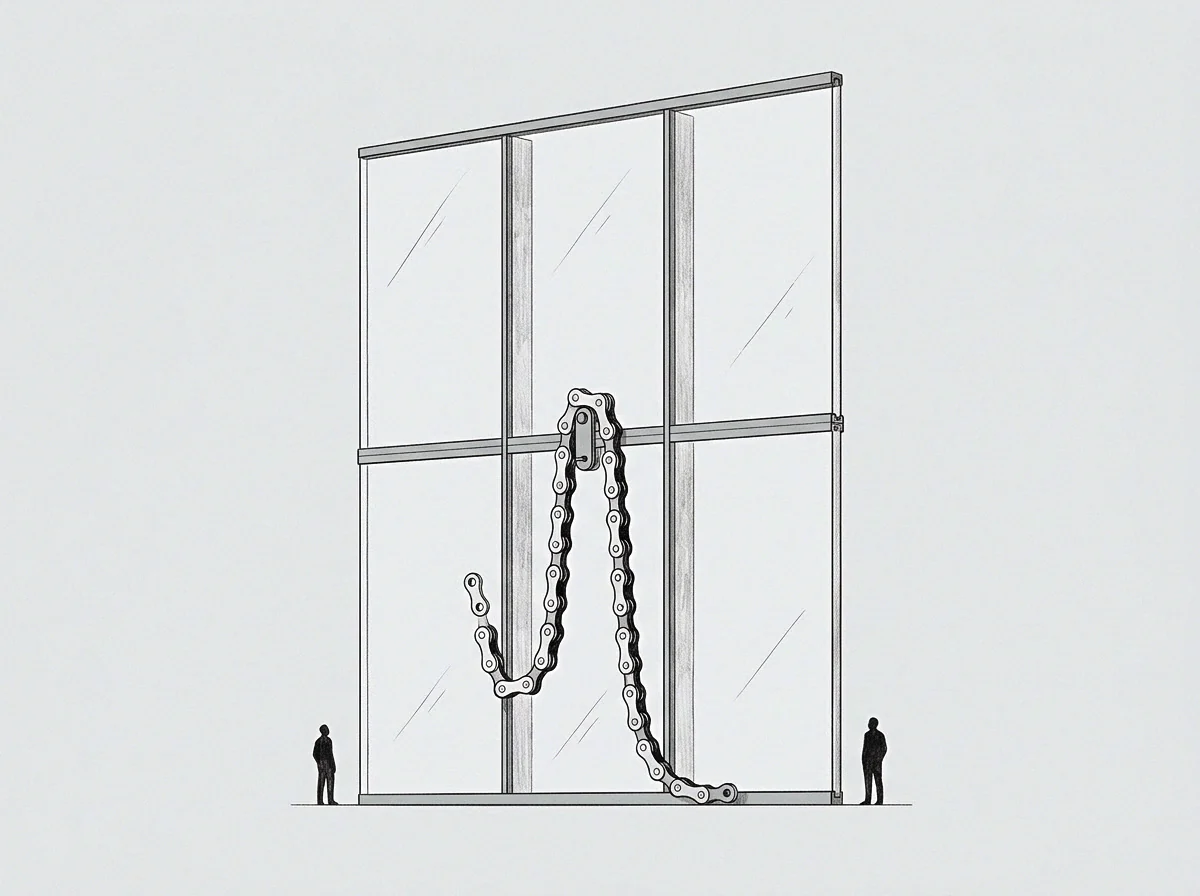
An archival model where records are managed through continuous oversight to ensure persistence across changing technical systems. The custodial continuum replaces the traditional life-cycle approach by asserting that record-keeping starts at the moment of creation. It applies to digital environments where the location of data is less important than the regime of control.
This model stops where the governing authority loses the capacity to enforce record standards.
Management Model
Continuous supervision ensures that information remains accessible across shifting technical landscapes. A custodial continuum prioritizes the persistence of the record over the physical storage medium. Founders use this to ensure that evidence remains valid even after the original startup systems are retired.
Operational Constraint
Maintaining a steady chain of oversight requires persistent metadata updates. This involves a lot of attention from administrators who must track every change in the storage environment to ensure nothing is lost. They must record every instance of migration, software update, hardware replacement, and every change in user access.
Without active intervention, the record becomes isolated and loses its evidential value. The cost of this oversight is the primary investment in the longevity of the corporate memory.
Evidence Preservation
Proof of authenticity relies on the history of management. Every action taken on the record is logged to prevent gaps in the story of the data. This provides a level of certainty that a single point-in-time backup cannot offer.