Meaning
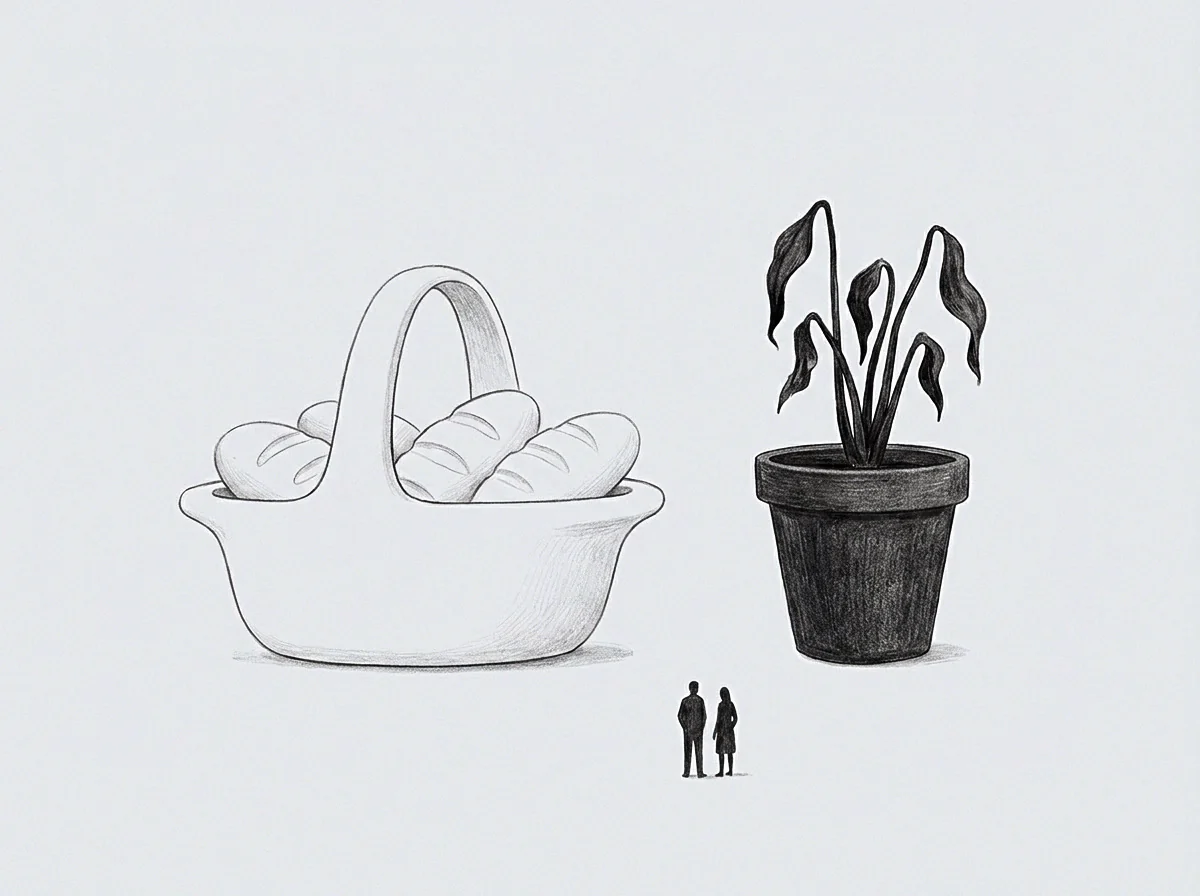
Ownership categories representing shares held by individuals or entities who no longer contribute to the growth of the company. Holding dead equity on the ledger creates a gap between the ownership of the firm and the effort required to scale it. It often arises when a founder or early employee leaves the company before a liquidity event while retaining a large portion of their stock.
Economic Drag
Investors often view a cap table with a high percentage of dead equity as a risk because it reduces the pool of shares available to incentivize current workers. This situation may require a recapitalization or a buyback to fix the imbalance between reward and contribution. The presence of these inactive shareholders complicates the voting process and can slow down major corporate decisions.
Founders must manage this by implementing vesting schedules that return unearned shares to the company.
Legal Recovery
Repurchase rights allow a firm to reclaim shares at a set price when a participant departs.
Structural Cost
The burden of dead equity is felt during later financing rounds when new investors demand a specific percentage of the company. It forces the remaining active team to accept more dilution than they would otherwise face.