Meaning
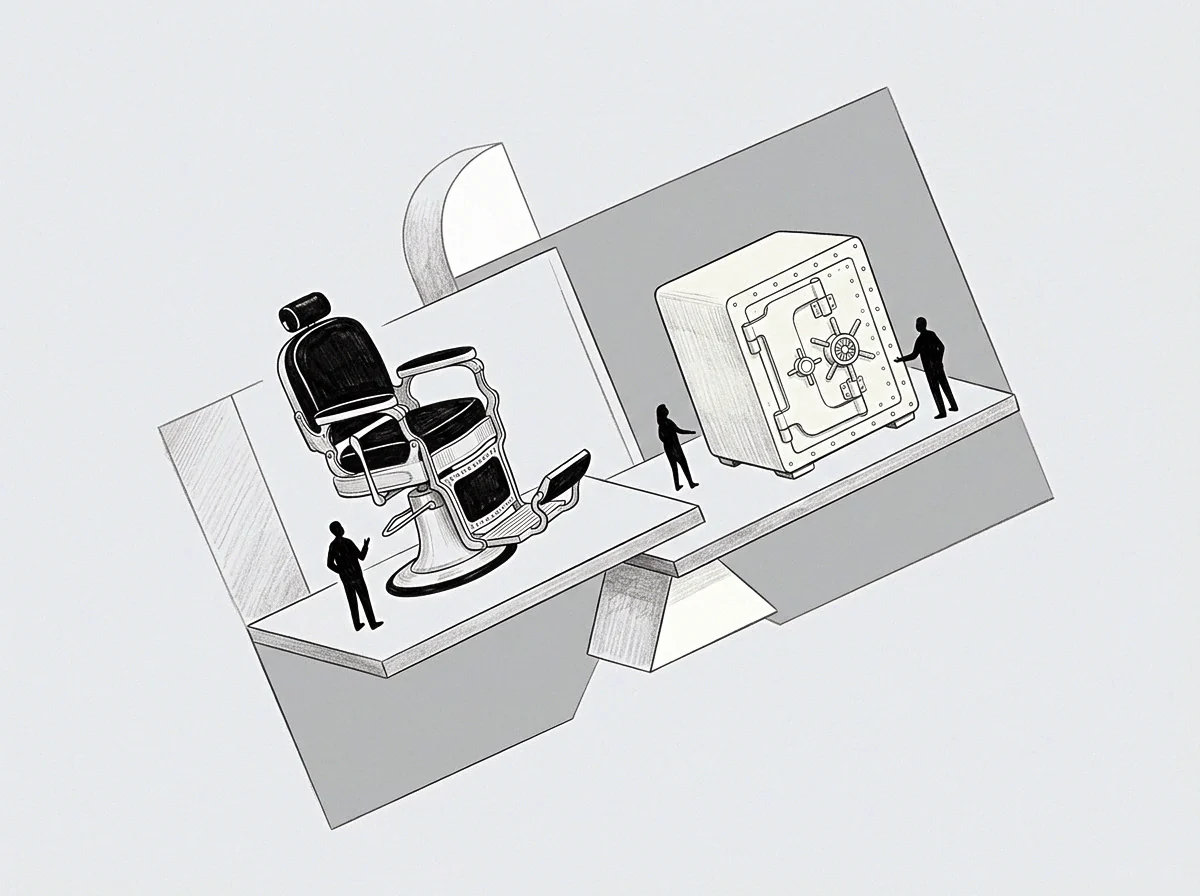
Mathematical formulas determine how many shares a lender receives when a loan transforms into ownership. The debt conversion split accounts for the principal, the accrued interest, the valuation caps and any discounts specified in the original note. This process moves the liability from the balance sheet to the equity table.
Capital Realignment
Convertible notes often carry a discount that grants the holder more shares per dollar than a new investor pays. During a debt conversion split, the calculation must strictly follow the terms set months or years prior to the current funding round. This shift alters the percentage of the company owned by the original founders and requires a update to the ledger to ensure every decimal point is accounted for.
Investor Proportion
Different lenders may have separate conversion triggers or caps that affect their final share count. Managing the debt conversion split requires tracking each individual note to ensure the resulting equity distribution is accurate. Errors in these figures lead to disputes over voting power and liquidation preferences.
Existing Shareholders
Ownership percentages decrease as the debt becomes equity. The debt conversion split happens simultaneously with a new funding round, making the cap table complex. Accurate records of this event are necessary for tax reporting and future valuation exercises.