Meaning
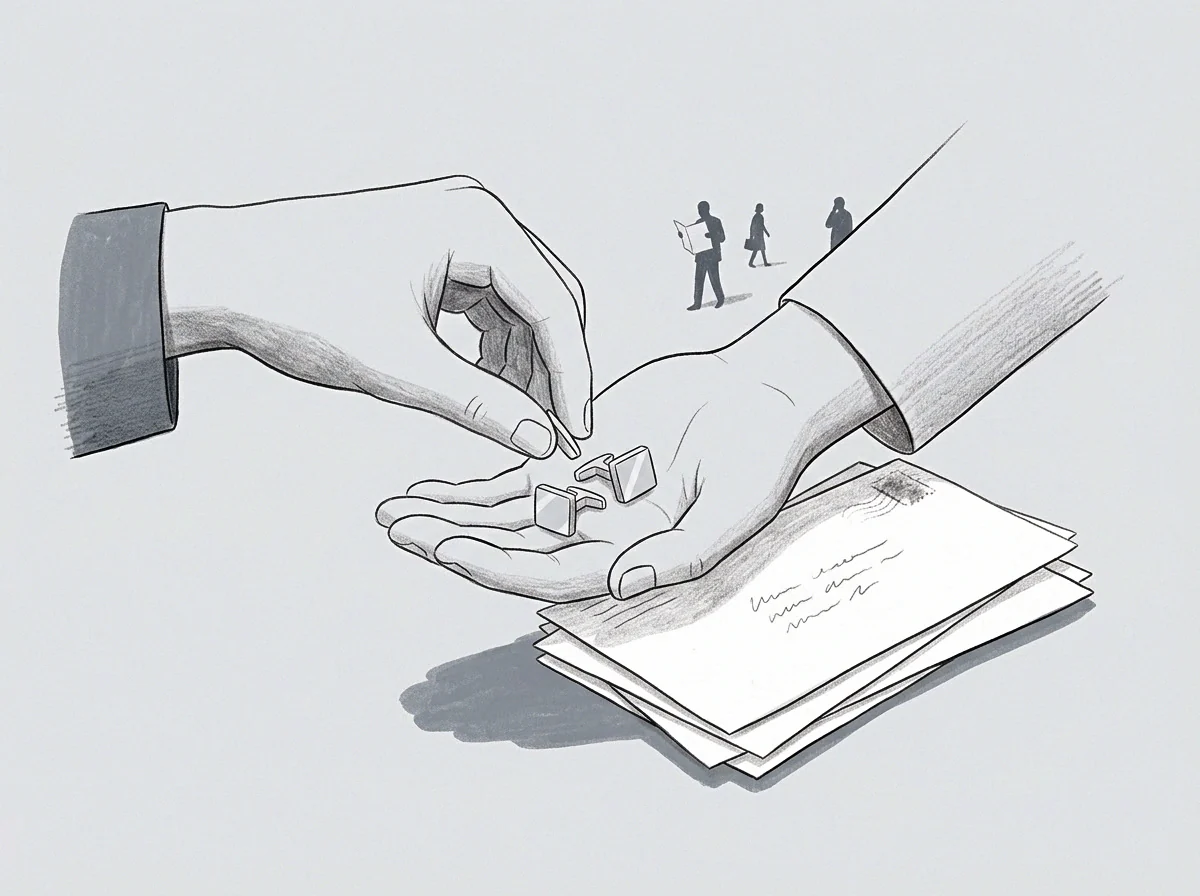
Voluntary surrender of the right to conduct a full investigation into a specific area of a business before a transaction. A diligence waiver is typically used to accelerate a closing or to handle low-value assets where the cost of investigation exceeds the potential risk. It creates a gap in the record that the accepting party agrees to ignore.
Operational Utility
Speed is the primary reason for accepting such a limitation on discovery. When a diligence waiver is signed, the buyer acknowledges that they are proceeding without a complete view of the underlying data. This is common in distressed sales where the window for a rescue operation is measured in days.
Evidentiary Absence
Future claims for breach of warranty are often barred for any topic covered by the agreement. If a buyer issues a diligence waiver regarding the environmental state of a warehouse, they cannot later sue the founder for soil contamination found on the site. The record of the waiver acts as a permanent bar to recovery.
Financial Tradeoff
Buyers usually demand a discount in exchange for giving up their right to inspect. Because a diligence waiver introduces unquantified risk, the purchase price is adjusted downward to account for the uncertainty. This cost is paid upfront by the seller in the form of a lower valuation to avoid the time-consuming process of a full audit.
The waiver settles the risk.