Meaning
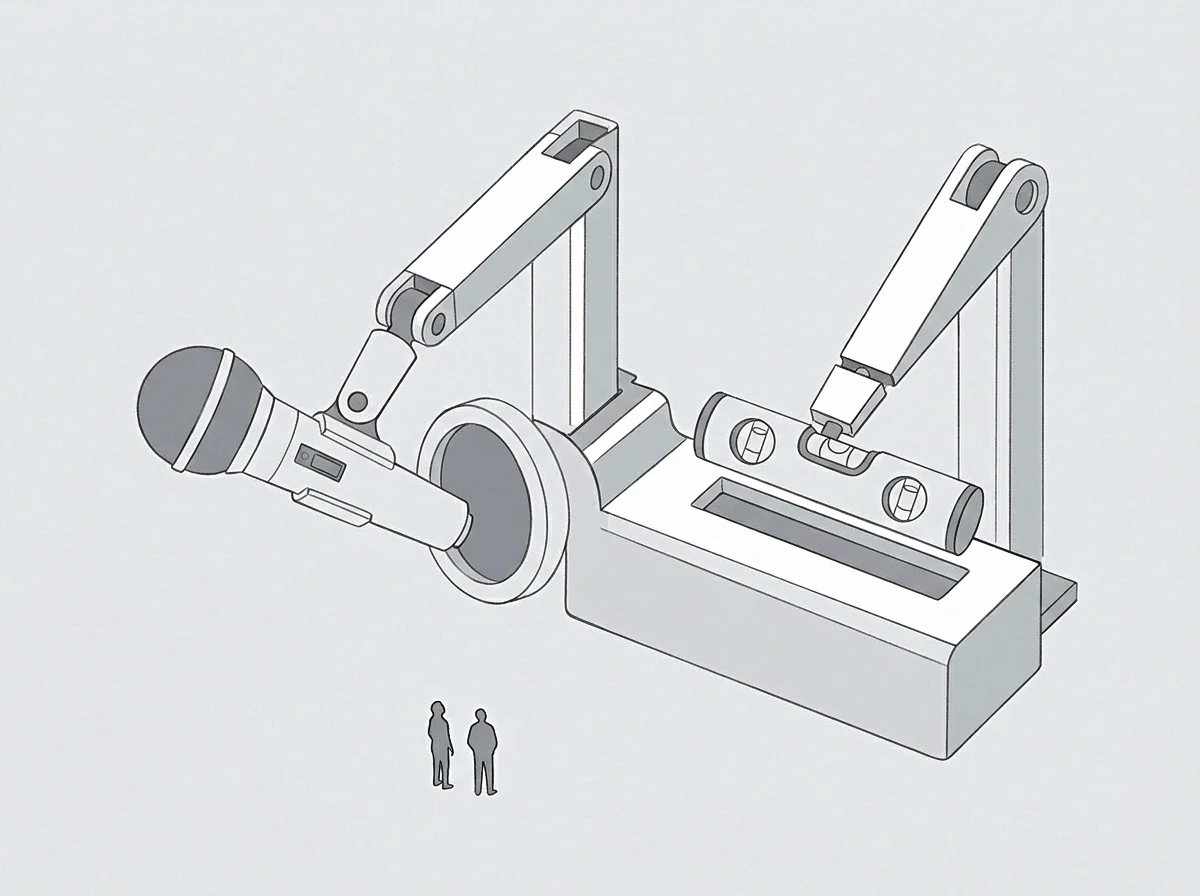
Comparison of sound recordings against power grid frequency logs to verify time. An electric network frequency analysis relies on the fact that the frequency of an AC power system varies slightly over time. This technique stops at the point where a recording is too short or too noisy to provide a statistically valid match.
Timestamp Verification
Databases maintained by power utilities provide a minute-by-minute map of these frequency changes. By extracting the hum from a piece of evidence and comparing it to the grid log, an investigator can perform electric network frequency analysis to confirm an exact date and time. This proof is independent of the device’s internal clock, which could be set incorrectly or tampered with.
It turns an accidental background noise into a reliable chronological anchor.
Location Confirmation
Different geographic power grids operate with distinct frequency signatures. Performing electric network frequency analysis can distinguish a recording made in one country from one made in another if their grids are not synchronized. This capability prevents the misrepresentation of where a meeting took place.
For a founder, this represents a hard layer of proof that survives even if the metadata of a file is stripped away.
Technical Limitation
Accuracy requires a recording of sufficient length to find a matching pattern in the grid database. Short clips may not contain enough frequency variation to land a definitive match. The presence of measurable acoustic noise, electrical interference, signal artifacts or ambient hum can also obscure the frequency.
Despite these hurdles, the technique offers a way to link a digital file to a physical moment in the history of a city’s infrastructure.