Meaning
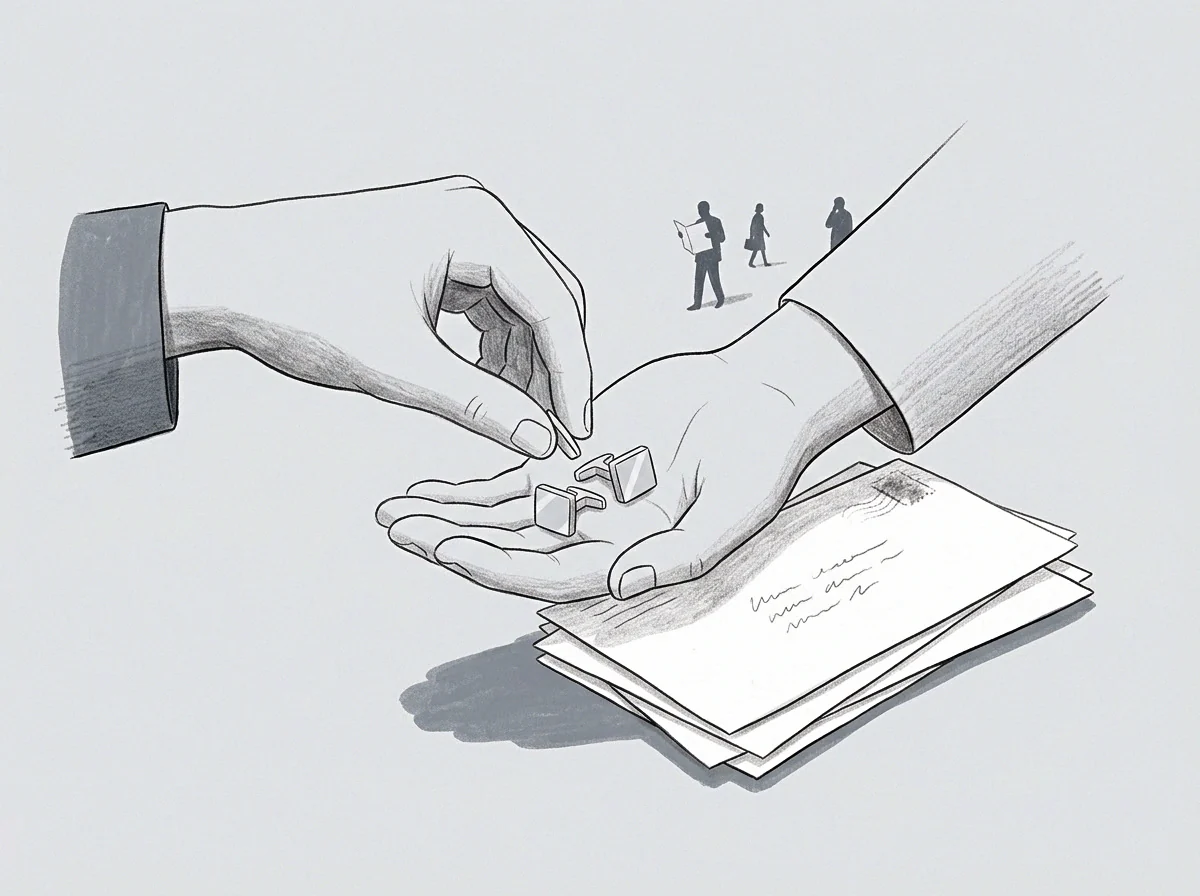
External documentation used to illustrate the intent of the parties during the drafting phase. Extrinsic negotiation evidence includes emails, draft versions of the deal, notes from meetings and handwritten memos that occurred before the final signature. It is used to resolve ambiguities in the final text when a dispute arises.
Interpretive Function
Courts look to these records only when the primary document is unclear. If the contract language is plain, extrinsic negotiation evidence is usually excluded by the parol evidence rule. However, when a term has two possible meanings, the history of the drafts shows which interpretation the parties actually discussed.
Storage Requirement
Preservation of every email thread becomes a permanent task for the founder after the deal closes. This extrinsic negotiation evidence can prove that a buyer was aware of a specific limitation even if it was not phrased perfectly in the final agreement. Losing these records leaves the company vulnerable to a literal interpretation of a flawed clause.
Dispute Resolution
Testimony about what someone thought they meant carries less weight than a dated draft. A series of redlines in extrinsic negotiation evidence provides a chronological record of how a specific clause evolved. This chain of edits reveals what was traded away and what was hard won.
It prevents one party from inventing a new history for the deal years after the fact. Drafts do not lie.