Meaning
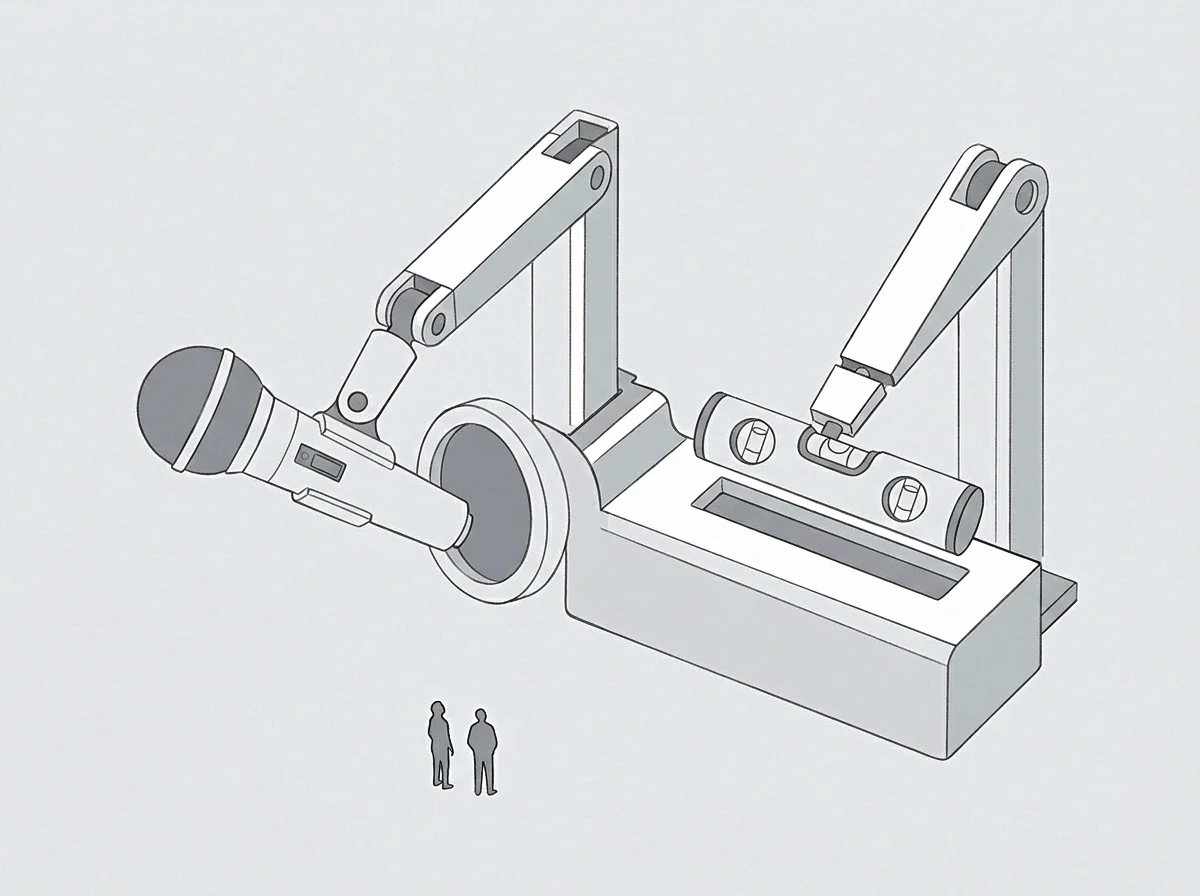
Scientific study of audio records to determine their authenticity and origin. A forensic acoustic examination looks for signs of tampering, identifies the make of the microphone used or isolates background sounds. This process provides an objective assessment of whether a recording is a faithful representation of an event.
Authenticity Check
Sophisticated software detects the microscopic interruptions caused by digital editing tools. During a forensic acoustic examination, an expert looks for phase discontinuities or sudden changes in the noise floor that indicate a splice. These markers are often invisible to the eye and inaudible to the ear but remain present in the raw data.
Proving that a recording is continuous and unedited is the primary goal of this investigation.
Environmental Analysis
Sound behaves in predictable ways based on the geometry and materials of a room. A forensic acoustic examination can confirm if the reflections and echoes in an audio file match the physical characteristics of the claimed setting. This step prevents the use of fabricated audio that combines voices from different locations.
It ensures that the record is anchored to a physical reality.
Operational Cost
Engaging an expert for this level of detail requires a measurable commitment of time and resources. Because the work is highly technical, the results are presented as a series of measurements rather than a subjective opinion. This data-driven approach removes the ambiguity that often plagues individual memory.
A founder uses these findings to settle disputes where the validity of a recorded promise is questioned.