Meaning
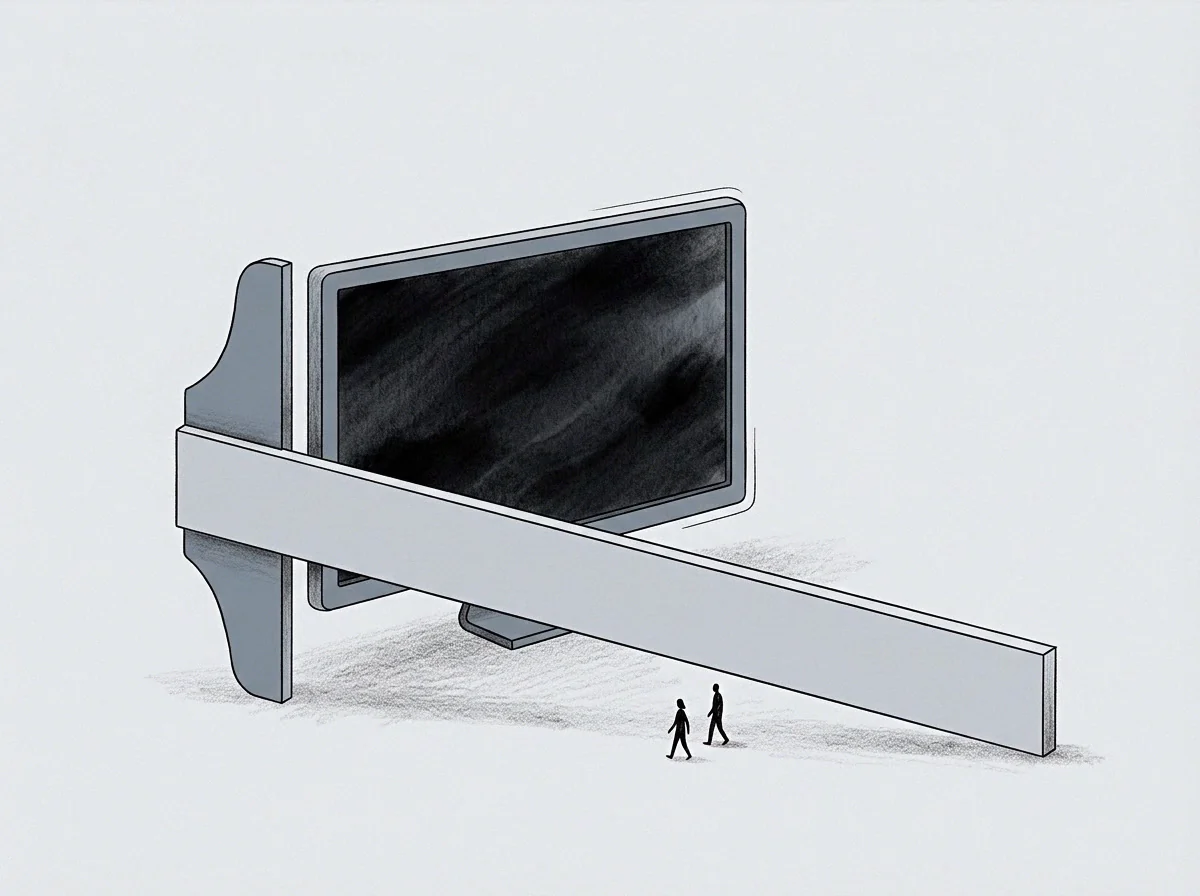
A legal standard of contractual interpretation dictates that the entire agreement between the parties is contained solely within the written document. In situations involving four corners completeness, legal analysis excludes external evidence such as prior oral promises or informal email exchanges. This standard governs the resolution of disputes by restricting the review to the executed contract itself.
It ceases to apply if there is a proven claim of fraud or mutual mistake.
Evidential Boundary
The physical contract represents the complete boundary of the transaction. Verbal commitments made during negotiations are discarded once the agreement is signed. This protects both parties from the fading memory of initial discussions.
It establishes a hard line between negotiation and execution.
Omission Risk
Leaving important details out of the final document creates an irreversible loss of protection. When a founder relies on a verbal promise instead of including it in the written text, the unwritten term becomes unenforceable. This omission can result in the loss of proprietary rights or unexpected distribution of equity.
The cost of such an omission is measured in lost equity and hours of dispute resolution.
Integration Clause
The presence of a merger provision reinforces this legal doctrine. This clause states that all prior agreements are superseded by the present document. It is a standard feature in institutional funding agreements.
The clause ensures that only the written page holds authority.