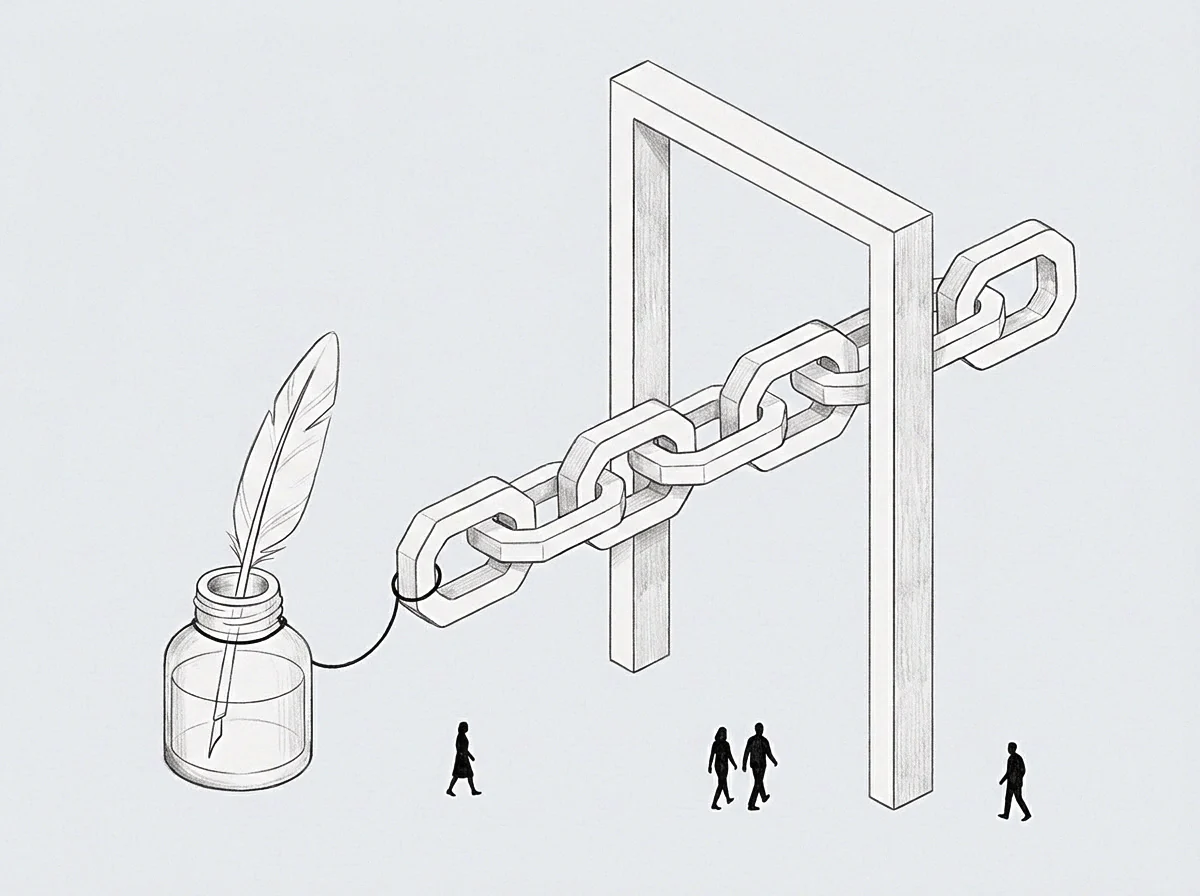
Meaning
Violations of contractual covenants, representations, or warranties in financing and acquisition documents trigger explicit legal obligations to make the injured counterparty financially whole. An indemnity breach arises when an operational reality contradicts a certified warranty, imposing direct liability on the warranting party to cover incurred losses, defense costs, and settlement amounts. The application of indemnity remedies stops where contractual survival periods expire, liability baskets absorb the underlying monetary damage, or negotiated overall liability caps take effect.
Threshold Mechanisms
Deductible baskets and tipping baskets regulate the monetary threshold at which an injured party can formally demand indemnification. Under a deductible basket, the warranting entity pays only damages exceeding the agreed minimum dollar figure. A tipping basket obligates the indemnifying party to pay all accumulated damages from the first dollar once the aggregate ceiling is crossed.
These mechanisms prevent minor operational deviations from escalating into formal indemnification procedures. Minor drafting errors and inconsequential balance sheet shifts are absorbed as routine transactional friction without creating actionable claims.
Survival Limitations
Representations and warranties expire according to graduated timeframes set forth in the underlying acquisition or stock purchase agreement. General commercial representations typically survive for one to two years following the transaction date, after which an indemnity breach cannot be asserted. Fundamental representations regarding corporate authority, equity title, and capitalization survive for significantly longer durations, occasionally mirroring statutory tax or tort limitation horizons.
Once the survival horizon lapses, the right to demand compensation for non-fraudulent breaches terminates entirely.
Direct Resolution
Resolving a contested breach involves substantial expenditure of executive hours, forensic accounting capacity, and legal defense costs. Where the transaction structure incorporates an escrow reserve or holdback mechanism, verified losses are deducted directly from the retained purchase price. If damages exceed the escrow reserve or involve uncapped fundamental warranties, sellers must fund compensation directly from personal or corporate capital.
Contractual releases execute finality, discharging all further liability arising from the notified breach upon completion of payment.