Meaning
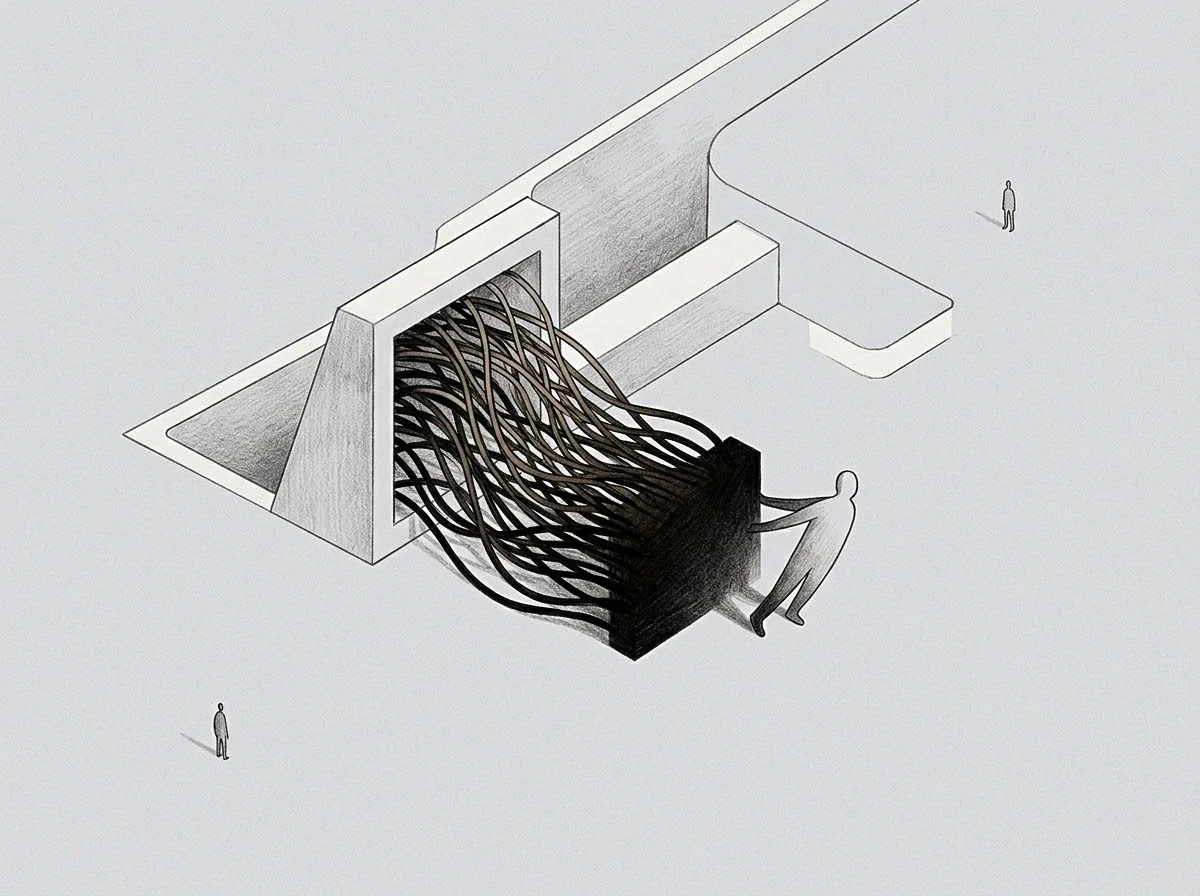
Unofficial agreements between a lender and a borrower temporarily suspend or reduce debt payments without modifying the underlying loan contract. Under these arrangements, informal forbearance occurs through verbal consent or a simple exchange of emails rather than a formal legal amendment. This approach is often used to address short-term cash flow problems before a more permanent solution is negotiated.
It does not waive the lender’s right to demand full payment at a later date.
Temporary Relief
Lenders grant short-term relief without legal friction.
Documentation Risk
Because these arrangements are not recorded in a formal amendment, they create high risk of misunderstanding. If the bank changes its management or decides to enforce its original rights, the borrower has little protection. The lack of a signed contract means the arrangement is difficult to prove in legal proceedings.
Consequently, both parties must keep careful records of all communications to avoid disputes.
Financial Impact
Borrowers benefit from avoiding immediate default proceedings, which preserves their operational capacity. This temporary reprieve allows the business to stabilize its cash flows or secure new funding. However, the accrual of unpaid interest continues to increase the total debt burden.
This must be resolved eventually through a formal restructuring or full repayment.