Meaning
Administrative stability marks the reliable endurance of organizational protocols after the departure of original leadership. Institutional continuity maintains the standard operating procedures that allow a firm to function without the specific individual habits of the creator. Such reliability prevents the sudden degradation of workflow when key personnel exit a position.
Record Integrity
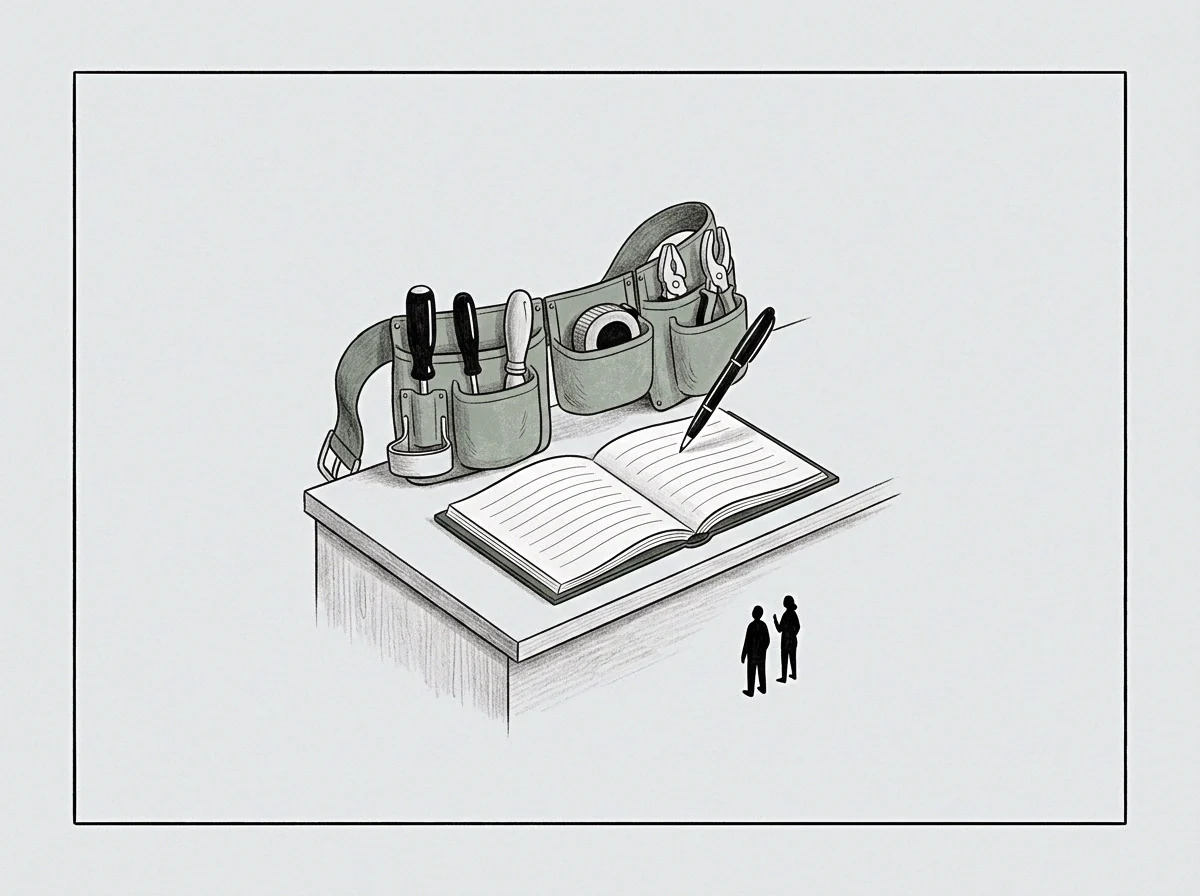
Documentation provides the primary evidence for these internal arrangements. Maintaining logs of decision criteria allows staff members to replicate the logic of a previous era without requiring direct access to the departed founder. These files act as the external brain of an enterprise, freezing the necessary conditions for ongoing operations within written pages.
Relying on written files instead of oral traditions reduces the risks associated with memory gaps or personal interpretation of policy.
Operational Buffer
Structural preservation functions as a shock absorber against the inevitable variance between different leadership styles. Successors adopt the pre-existing logic of the firm, which prevents the cycle of constant restructuring that frequently follows a change in the front office. When the mechanisms remain consistent, the cost of transition is limited to simple hours of training rather than the total loss of institutional capacity.
Formalized routines dictate the predictable path of labor, ensuring that external parties encounter the same company structure regardless of which individual holds the title.
Governance Metric
Oversight of this state requires the regular audit of current practices against the documented intent of the organization. Evaluators check whether the routine actions of a group align with the established guidelines or whether those habits have drifted toward private preference. A high degree of alignment indicates that the structure operates independently of the people who originally drafted the rules.
Discrepancies between the recorded protocol and daily activity signal a decay in the established arrangement. Proper management relies on the constant confirmation that the internal logic of an entity persists through time despite changes in the individuals occupying the roles.