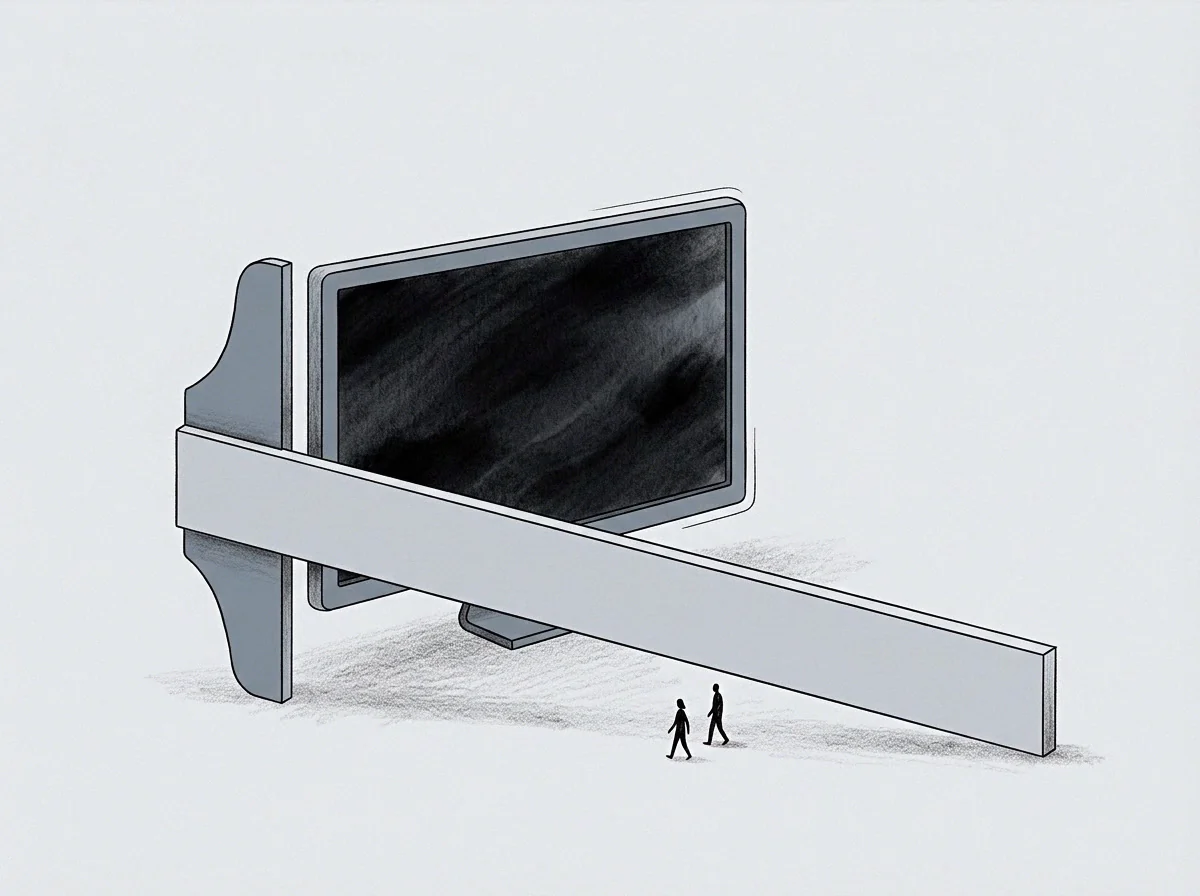
Meaning
Automated operational routines systematically archive, truncate, compress, or delete active computational event logs based on predetermined age, frequency, or volumetric file thresholds. The implementation of log rotation maintains filesystem integrity, ensures predictability in storage consumption, and retains historical event data within defined operational parameters. The practice governs production system logs, security audit records, and server access registers, reaching its natural boundary where records leave the active operational environment to enter immutable, write-once long-term archiving systems.
Rotation Mechanism
Operating systems utilize dedicated daemon utilities to inspect logging targets against administrative size or duration criteria. When an application log crosses a parameter, such as a fifty-megabyte ceiling or a weekly timer, the existing log file is moved to a timestamped backup name. A new, empty file is initialized with identical ownership permissions, permitting continuous event recording without interrupting host software operations.
Through scheduled log rotation, older generational archives undergo compression through algorithms like gzip to maximize disk capacity. Archival sets cycle out of existence once retention counters reach zero. System parameters control whether retired files are permanently expunged or offloaded to cold storage repositories.
Evidential Boundary
Maintaining defensible records requires careful alignment between retention rules and historical verification demands. The automated destruction of system events directly conflicts with corporate requirements to verify intellectual property creation, server access history, or employee data interactions during operational disputes. An event that was overwritten by an automated script cannot be reconstructed through recollection.
Without centralized external transmission of raw logs before local deletion, critical evidentiary links vanish irrevocably. Preserving forensic integrity necessitates that log archives retain their original internal timestamps without intermediate administrative modification.
Retention Overhead
Configuring log rotation requires continuous balancing between local storage expenditure and compliance recordkeeping needs. Excessive retention cycles exhaust disk partitions, creating systemic failures that cause core infrastructure to crash. Conversely, aggressive rotation windows that purge files within days prevent organizations from conducting comprehensive incident reviews following unannounced departures or data breaches.
Engineering hours spent calibrating retention configurations offset the catastrophic cost of missing audit trails when governance reviews demand dated operational proof. The operational lifecycle established by the rotation policy determines the lifespan of verifiable operational history.