Meaning
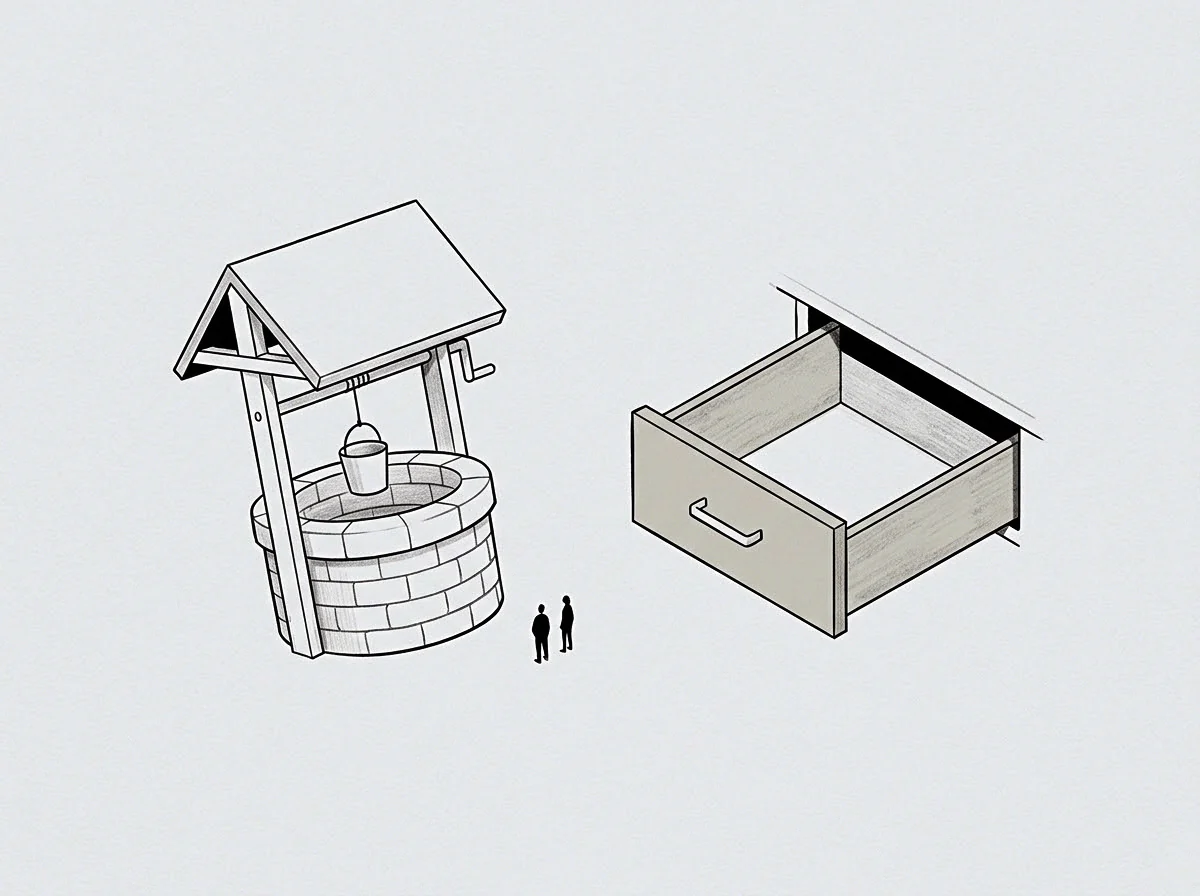
A digital forensic extraction method retrieves active files and directory structures from a storage device by interacting with its operating system. In computer forensics, a logical acquisition copies only the data that is currently visible to the file system, excluding unallocated space and deleted files. This approach preserves the integrity of the collected files without modifying the original medium, providing a reliable record for investigations.
It offers a fast, structured way to gather files during time-sensitive audits.
Data Scope
The collection of data through this method is restricted to active system records, user files, and structural metadata. Unlike deeper search methods, logical acquisition does not recover fragments of files that have been deleted or overwritten. This restriction makes it ideal for targeted reviews where privacy or narrow legal warrants limit the examiner’s access to active information.
It ensures compliance with scoped authorization limits.
Forensic Reliability
The extracted records are validated using cryptographic hashing to demonstrate that no data was altered during the transfer. By comparing the hash of the source files with the hash of the collected copies, investigators can prove the authenticity of the evidence. This step is necessary to meet evidentiary standards in corporate disputes and regulatory inquiries, as it demonstrates a clean chain of custody.
Operational Velocity
The process requires less time and storage space than full sector copies. This efficiency allows examiners to quickly collect critical documents and proceed with analysis.