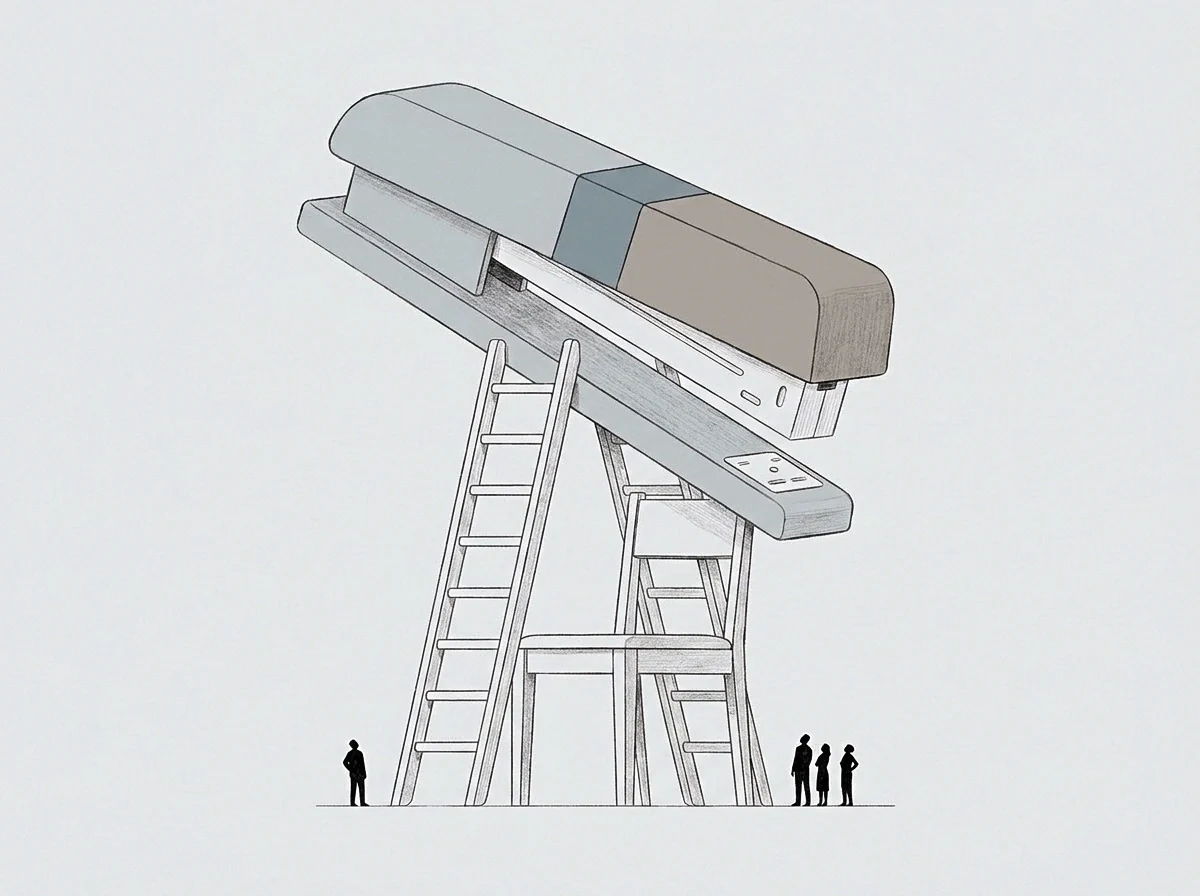
Meaning
Security arrangements that withhold part of a transaction price are measured against the total value of the deal. In a startup sale, merger holdbacks involve keeping a percentage of the deal value in reserve to cover potential post-closing claims. These funds are usually released after a set period (often twelve to eighteen months) if no breaches of the agreement occur.
Warranty Support
Sellers make numerous promises about the state of their company (from the ownership of intellectual property to the accuracy of tax filings). The merger holdbacks provide a ready source of cash for the buyer if any of these representations turn out to be false. Instead of suing the former founders to get money back, the buyer simply deducts the loss from the held amount.
This mechanism reduces the transaction risk for the acquirer.
Escrow Management
A third-party agent often holds these funds to ensure neutral treatment of both parties. The rules for the merger holdbacks are laid out in an escrow agreement which details the process for making a claim. If the buyer wants to keep a portion of the money, they must provide a written notice of the loss.
The seller then has a specific window of time to dispute the claim before the agent releases the funds to the buyer.
Final Accounting
The release of the last portion of the holdback marks the end of the transaction. For the founders, the merger holdbacks represent the final step in realizing the full value of their exit.