Meaning
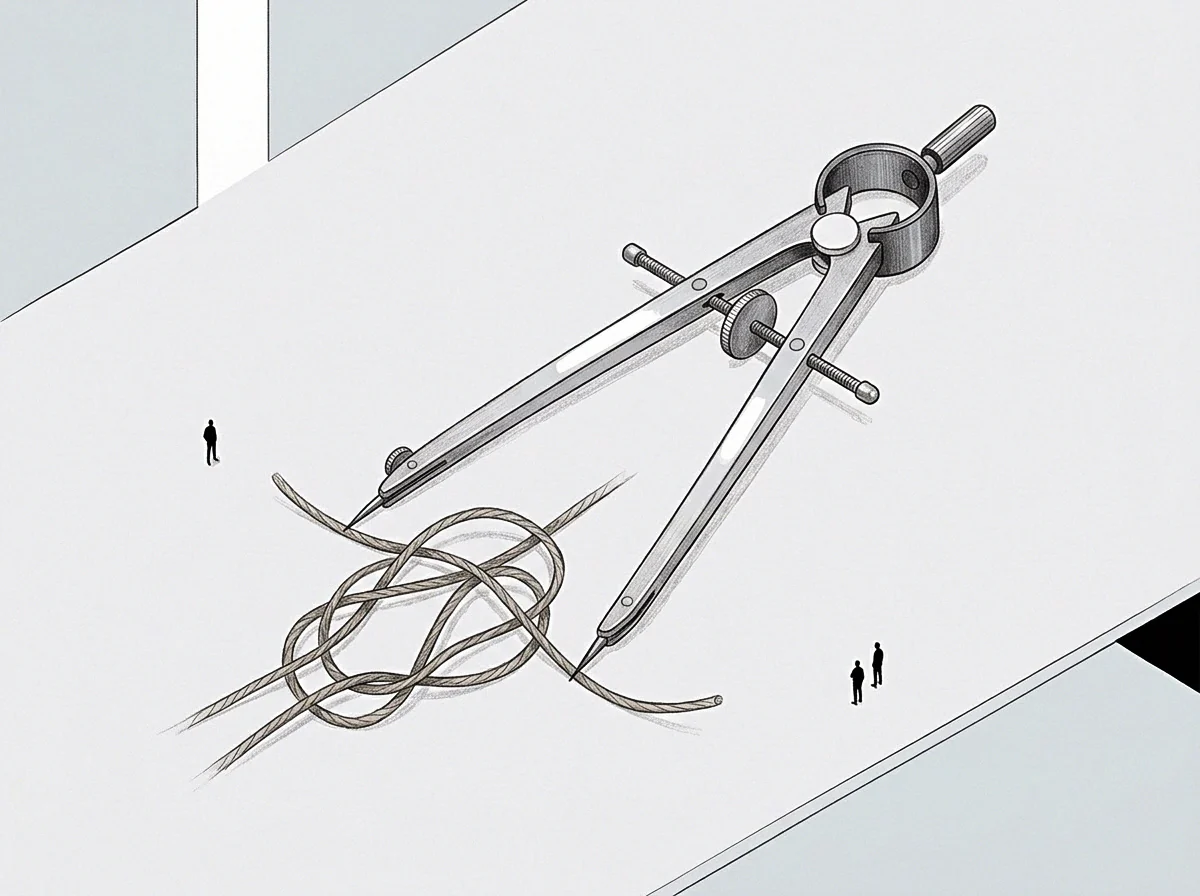
A pattern of conduct occurs when majority owners use their corporate control to freeze out smaller investors or deny them their reasonable expectations of participation in the business. In closely held companies, minority shareholder oppression typically arises when the majority terminates the minority holder’s employment, stops paying dividends, and denies access to financial records. This conduct isolates the smaller holder and forces them to sell their shares at a discount.
It represents a breach of the fiduciary duty that majority owners owe to the minority.
Actionable Harm
The legal definition of this behavior focuses on whether the reasonable expectations of the investor have been frustrated by the majority’s exercise of power. In many startups, the founders expect to have some role in the management or direction of the company. When these expectations are cut off without a valid business reason, the minority holder faces severe financial harm because there is no public market where they can sell their shares.
Squeezeout Mechanism
The most common technique is the dividend starve. The majority raises their own salaries while cutting company distributions, leaving the minority with taxable income but no cash to pay it.
Protective Arrangement
Investors guard against this outcome by negotiating protective provisions and board seat rights during the initial funding rounds. These written shareholder agreements limit the ability of the majority to alter bylaws or issue new shares without minority consent. When such provisions are missing, the minority holder is left with few options to protect their investment.