Meaning
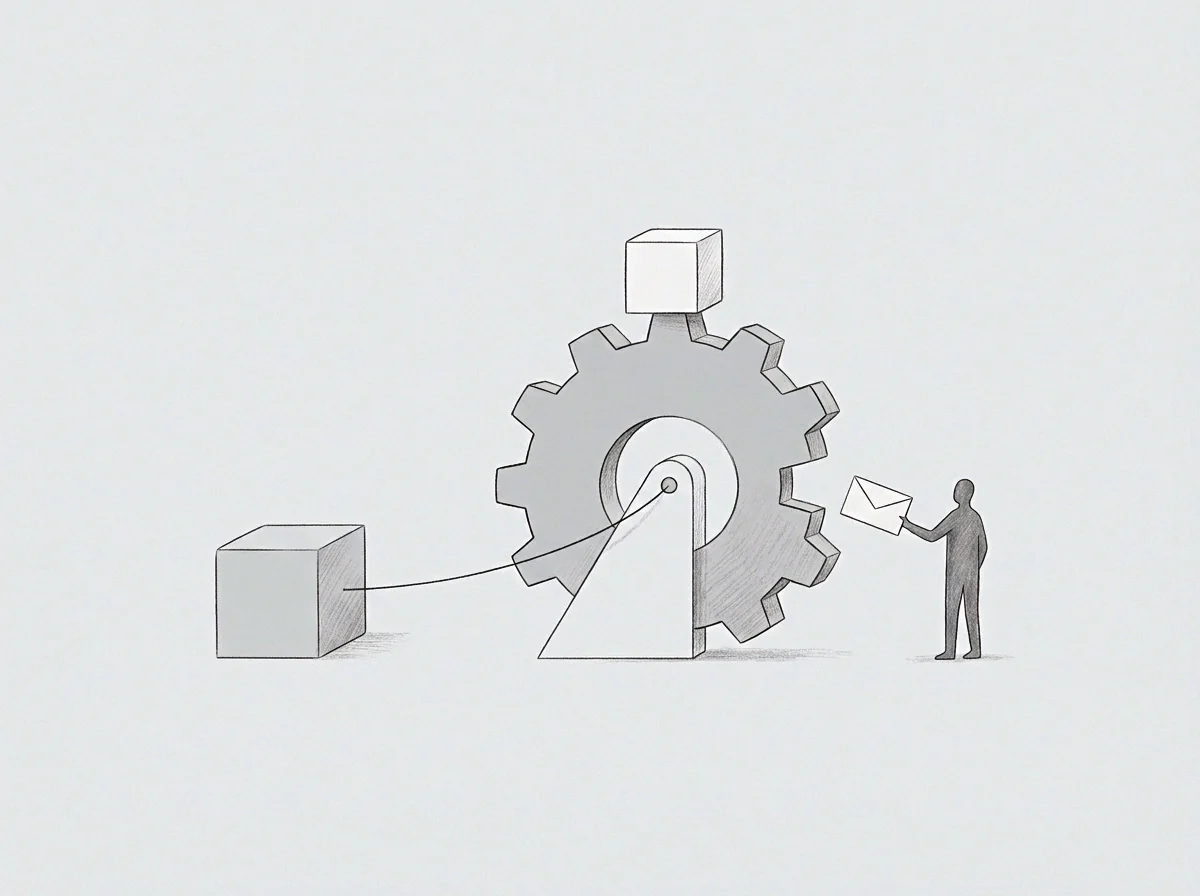
A continuous, single direction frequency deviation causes a time counter to steadily diverge from the true global reference time. This monotonic clock drift occurs because quartz crystal oscillators experience aging and persistent temperature changes that alter their vibration rates. As a result, the clock consistently runs either too fast or too slow without fluctuating back to the correct value.
Understanding this progressive error is essential for designing synchronization intervals.
Accumulated Divergence
The difference between the local timer and the reference clock increases linearly over time if no active correction is applied. While normal random noise causes brief fluctuations, monotonic clock drift results in a predictable, long term trajectory of error. Systems must measure this rate of change to schedule clock corrections before the divergence affects transaction sequencing.
Correction Cost
Applying adjustments to a clock that experiences monotonic clock drift requires processing cycles and network bandwidth. If adjustments are made too frequently, network resources are wasted, but delayed updates lead to database errors. Systems must optimize update intervals to maintain high accuracy without causing network congestion.
Hardware Factor
Physical hardware quality determines the intensity of the deviation. Cheaper components experience more rapid drift, requiring frequent software interventions to keep the ledger accurate.