Meaning
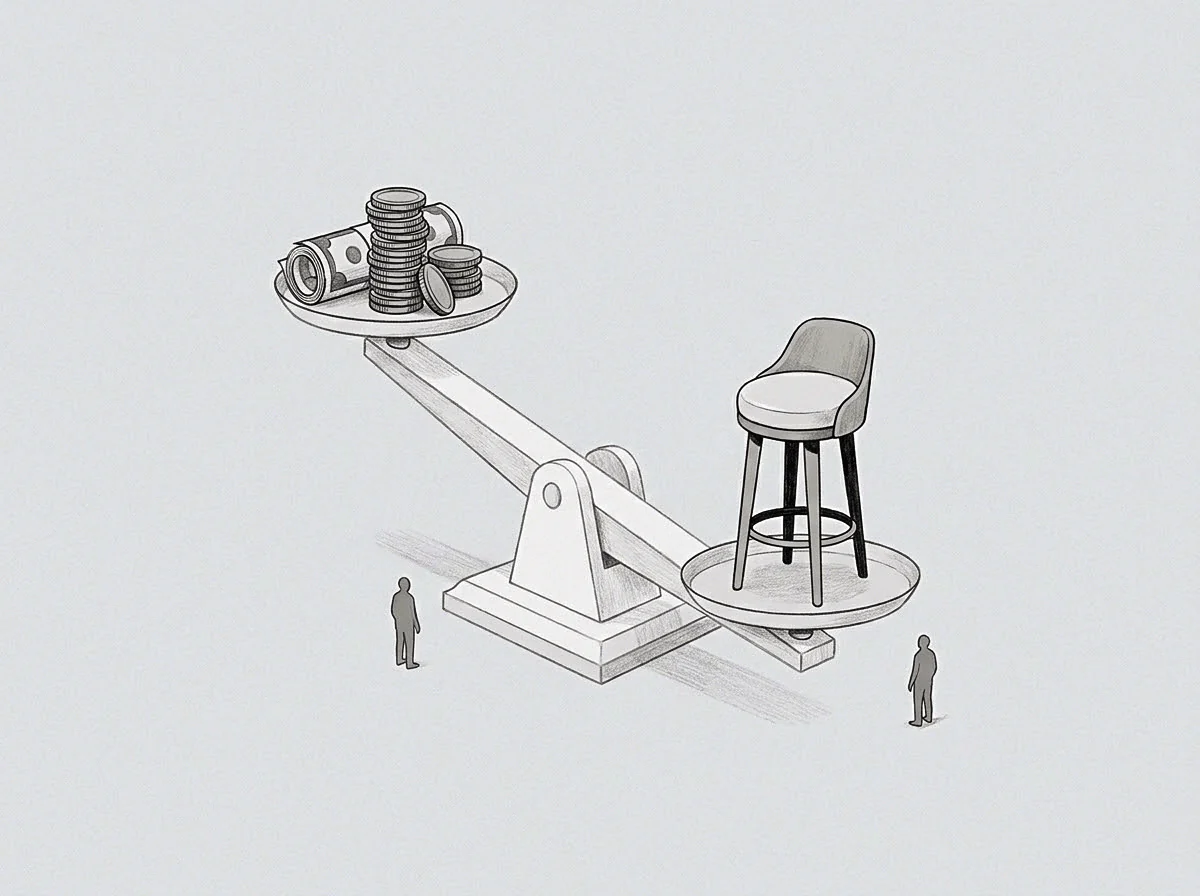
Contractual provisions that allow one party to reduce a debt or obligation by the amount of a cross-claim against the other party. These offset mechanics function in the context of post-acquisition disputes or settlement agreements where founders and investors have reciprocal financial liabilities. They simplify the resolution of complex claims by netting out the totals.
This process prevents the need for two separate cash transfers when a single adjusted payment suffices.
Claim Reciprocity
Mutual obligations must exist for a reduction to take place legally. When a founder owes the company for an unearned draw but the company owes the founder for unpaid expenses, offset mechanics allow for a single calculation. This avoids the risk of one party paying out and then being unable to collect what is owed to them.
It provides a level of security during the winding down of a business relationship.
Procedural Execution
The steps for triggering a reduction are usually defined in the closing documents of a deal. Using offset mechanics requires a formal notice that specifies the amount of the claim and the legal basis for the deduction. The counterparty then has a set window to dispute the calculation before the net amount becomes final.
If no objection arrives within the period, the reduction stands as a settled figure. This mechanism provides a predictable path for clearing minor discrepancies without resorting to litigation.
Liquidity Protection
Cash remains in the company when claims are handled internally through these adjustments. Implementing offset mechanics ensures that the entity does not lose capital to a founder who may later be found liable for a breach of warranty. It acts as a buffer against insolvency during the period when liabilities are being tallied.