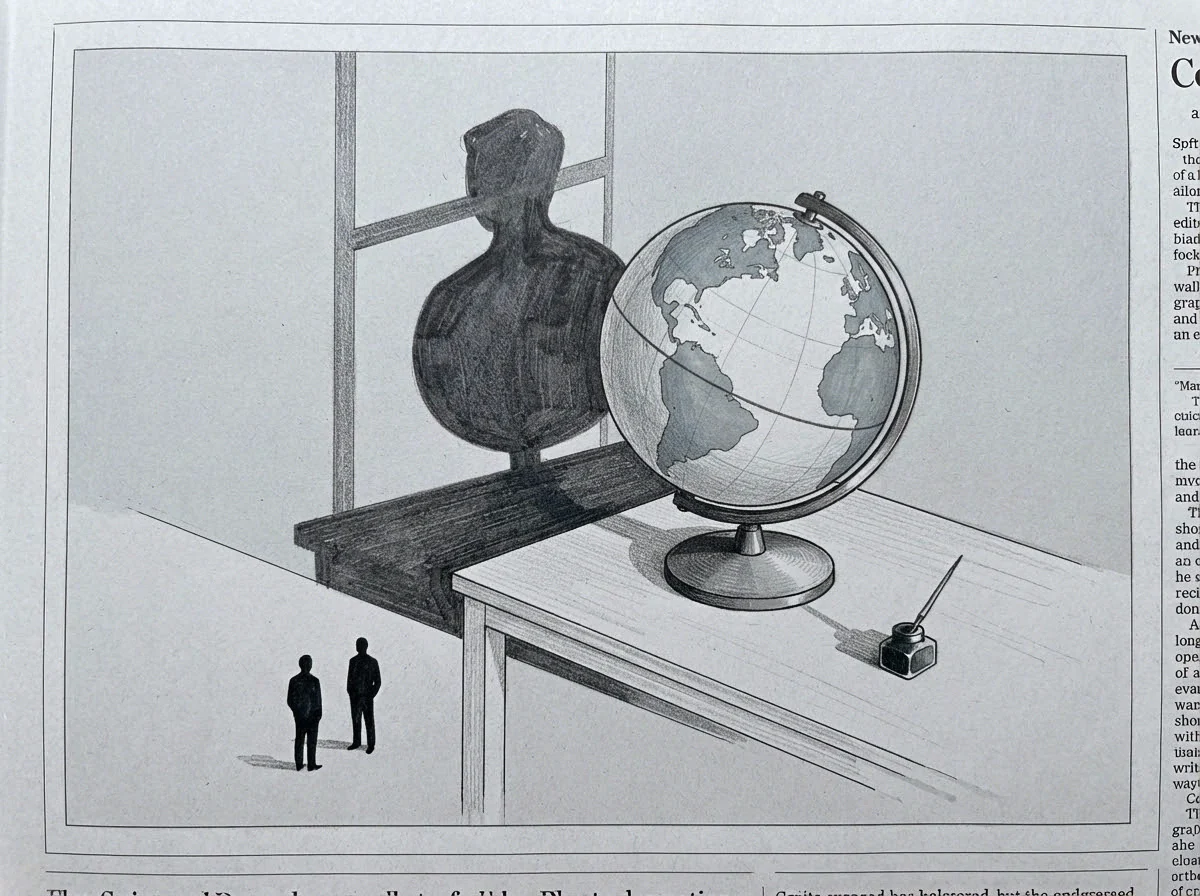
Meaning
Cognitive inflexibility within a shared governance structure defines the persistent refusal of an individual to adjust strategic assumptions or operational methods when external evidence demands revision. Partner cognitive rigidity creates a fixed psychological boundary that prevents the updating of a founder agreement even when market conditions shift. This behavior anchors an executive to obsolete logic, effectively prohibiting the internal recalibration required for long-term survival.
Management Friction
Disagreements often escalate when one participant denies the validity of incoming data while the other attempts to synthesize it into a new plan. Such misalignment stops collective decision-making because the parties possess incompatible thresholds for evidence. Stagnation results from this inability to find a middle ground, as the static party treats every request for change as a personal affront rather than a business necessity.
The cost of maintaining this state involves significant consumption of leadership hours and the degradation of trust between participants.
Record Persistence
Documents drafted during the initial period of an arrangement represent the primary evidence of whether this condition exists. Agreements that lack clear exit clauses or periodic review intervals often hide the presence of this bias for long durations. A person showing signs of this trait refuses to acknowledge the relevance of the original terms if those terms happen to contradict their current, unadjusted perception of the venture.
Recording the history of failed negotiations serves as the only way to demonstrate that the deadlock stems from a refusal to process facts instead of a legitimate difference in strategic preference.
Outcome Predictability
Static behavior models often produce repeatable cycles of impasse whenever the firm faces a major technological or economic transition. Institutional stability breaks down as the rigid party denies the impact of the shift, forcing the other participant into a repetitive cycle of presenting the same evidence. Resolution only occurs through the total exhaustion of the flexible party or the expiration of the legal agreement itself.
Future performance expectations decline under these conditions, as the entity loses its ability to react to environments that require agility.