Meaning
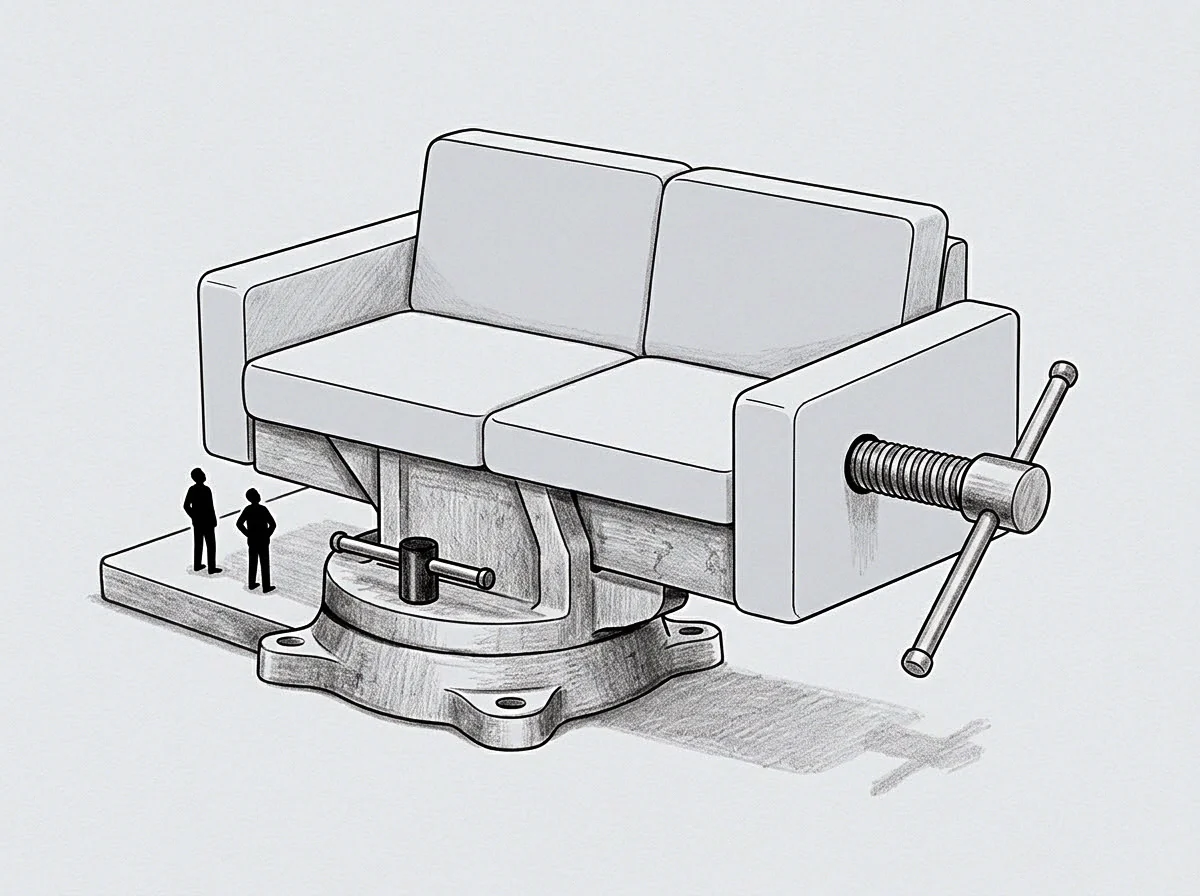
Formally contested disagreements arise between equity holders regarding corporate governance, profit allocation, or operational direction. During post-founding operations, a partner dispute threatens corporate stability when co-founders hold irreconcilable positions on equity vesting, management control, or strategic exits. The scope includes all internal conflicts between equity partners governed by shareholder agreements, ending where external insolvency proceedings take precedent.
Governance Deadlock
Equal equity ownership structures create operational paralysis when partners refuse to approve binding corporate actions. Unresolved issues in a partner dispute often cause stalled vendor payments, delayed fundraising rounds, and critical employee departures. Shareholder agreements mitigate deadlocks by defining buy-sell mechanisms or independent tie-breaking board seats.
Failing to include deadlock provisions forces reliance on costly formal intervention.
Evidentiary Reliance
Resolving ownership claims requires contemporaneous documentation of initial equity promises and role responsibilities. Parties involved in a partner dispute rely on written board consent records, email archives, and signed stock transfer agreements to substantiate claims. Contemporaneous written records override informal verbal promises made during early company formation.
Unwritten equity promises carry minimal weight in formal arbitration.
Capacity Cost
Managing internal founder litigation consumes substantial leadership bandwidth and financial reserves. Prolonged partner dispute resolution diverts executive focus from customer acquisition and product development to document production and legal depositions. Entities involved in litigation absorb substantial attention costs and legal expenses that reduce operating runway.
Establishing exit provisions early prevents a partner dispute from destabilizing company valuation.